June 11, 2026
What Does Knockdown Texture Look Like On Walls & Ceilings?
If you've been browsing texture options for a home renovation, you've probably asked yourself what does knockdown texture look like , and whether it's the right fit for your space. It's one of the most popular wall and ceiling finishes in residential homes, but pictures online don't always tell the full story. The actual look depends on technique, material consistency, and the skill of whoever applies it. Understanding the texture before you commit helps you avoid a finish you'll want to redo six months later.
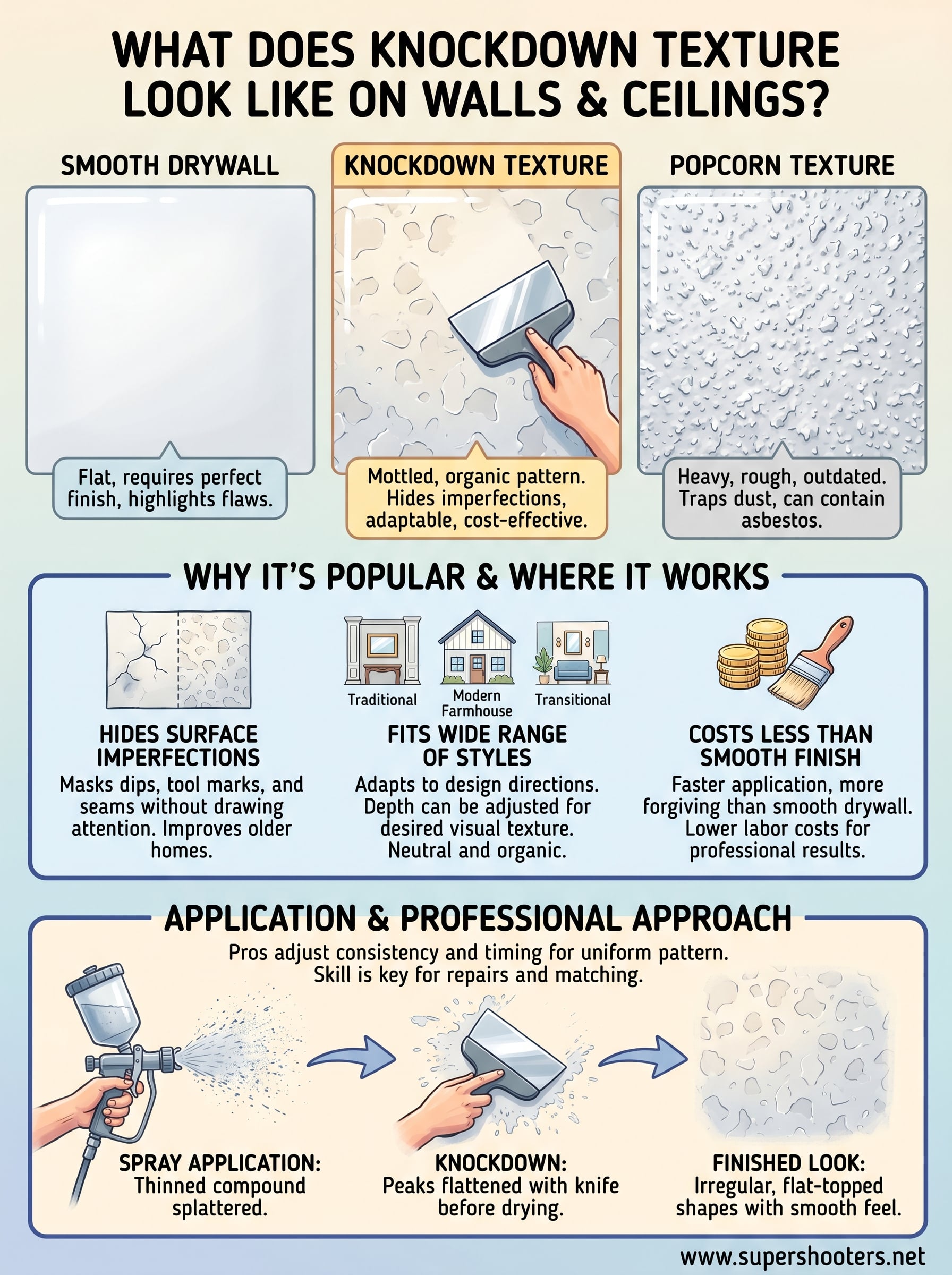
Knockdown texture sits in a sweet spot between flat drywall and heavier textures like popcorn. It has a mottled, organic pattern , almost like stucco that's been partially smoothed, that adds visual depth without overwhelming a room. At Super Shooters, we've applied knockdown and other ceiling and wall textures across more than 10,000 projects throughout the Sacramento Valley over the past 30+ years, so we know exactly how this finish performs in real homes and real lighting conditions.
This article breaks down what knockdown texture actually looks like on both walls and ceilings, how it compares to other common finishes like orange peel and popcorn, and what to consider before choosing it for your home. We'll cover the visual characteristics, variations in style, and the practical details that help you make a confident decision about your next project.
Why knockdown texture is popular in homes
Knockdown texture has stayed a go-to finish in American homes for decades, and the reasons are practical, not just aesthetic. Homeowners across all budgets choose it because it solves real problems with walls and ceilings , from surface flaws to plain, lifeless drywall. Once you understand what knockdown texture looks like in an actual room, it becomes clear why so many remodeling projects end with this finish rather than a smooth coat.
It hides surface imperfections without overwhelming a room
One of the strongest reasons contractors and homeowners reach for knockdown texture is its ability to mask drywall imperfections without drawing attention to itself. Slight dips, tool marks, and seam lines disappear under the irregular pattern of the finish. You get a surface that looks intentional rather than patched, which saves you significant time and money on prep work.
Knockdown texture is one of the few finishes that actually improves with minor surface irregularities underneath, because the varied pattern blends rather than highlights them.
This makes it especially valuable in older homes where walls and ceilings carry years of small repairs and uneven settling. Instead of skimming an entire surface smooth , a skilled applicator can add texture and solve the problem in one step.
It fits a wide range of interior styles
Knockdown texture adapts well to different design directions, from traditional to transitional to modern farmhouse. The depth of the pattern can be adjusted depending on how much visual texture you want in a space. A lighter knockdown reads almost flat from across a room but still catches light in a way that adds warmth and dimension.
Because neutral and organic surfaces remain consistently popular in home design, knockdown fits naturally without dating a space. It works as a background that lets your furniture, paint color, and lighting do the heavy lifting.
It costs less than a smooth finish
Smooth drywall requires extra labor and precise application to look right, and any imperfection shows immediately. Knockdown is faster to apply and more forgiving, which keeps labor costs lower without sacrificing a professional result. For most residential budgets , that tradeoff makes knockdown one of the most sensible choices available.
What knockdown texture looks like up close
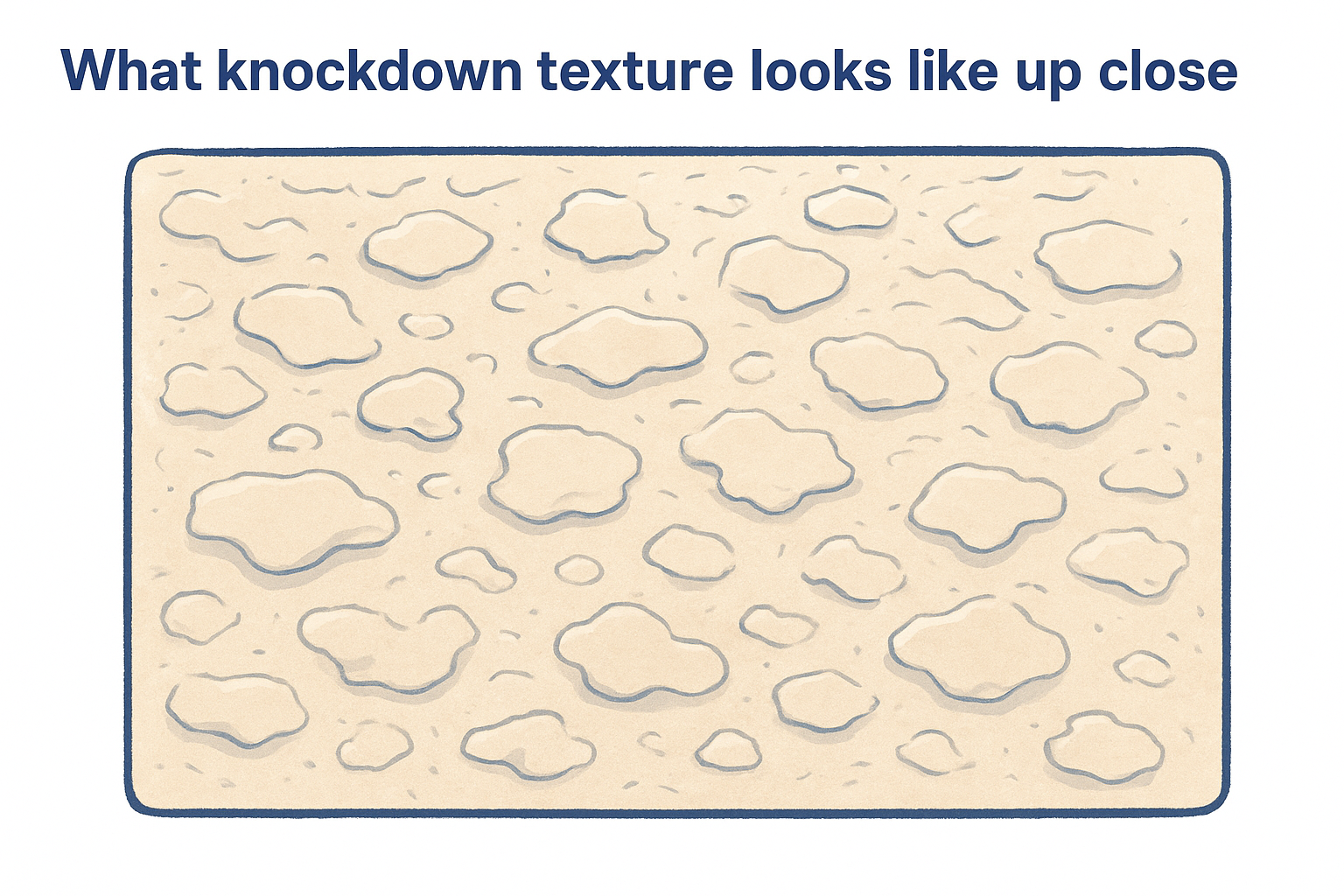
If you stand close to a wall or ceiling with knockdown texture, you'll see irregular, flat-topped shapes scattered across the surface with shallow recessed areas between them. The raised sections look like small, smooth islands, and no two patches are identical. That randomness is part of what makes the finish look natural rather than stamped or mechanical. The overall effect reads as controlled variation , not chaos.
The shape and spread of the pattern
Each raised section forms from a splattered application of joint compound that gets partially flattened, or "knocked down," before it fully dries. The result is a surface with soft, blunted edges on every raised piece, which feels smooth to the touch despite appearing heavily textured. The spacing between raised patches varies, and the density of the pattern shifts depending on how much compound the applicator lays down.
The size and spacing of the raised sections give you real control over the final look, from a subtle, widely spaced pattern to a denser finish that reads more visually bold.
How light changes the appearance
Raking light from a window or overhead fixture brings out the depth of knockdown texture far more than diffuse lighting does. Under direct light, the shadows cast by each raised section make the pattern stand out clearly. In softer or ambient lighting , the surface reads almost flat with a gentle, warm variation. This is why the same knockdown texture can look dramatically different depending on the time of day and your lighting setup.
How knockdown texture differs from other finishes
Understanding what does knockdown texture look like means comparing it directly to the other common options. Knockdown, orange peel, and popcorn are the three finishes you'll encounter most in residential homes, and each produces a distinctly different look on your walls and ceilings. Knowing where knockdown sits in that range helps you choose with confidence.
Knockdown vs. orange peel
Orange peel texture gets its name from exactly what it resembles: the small, rounded bumps on citrus skin . The raised sections are uniform, tightly spaced, and consistent across the entire surface. Knockdown has larger, flatter raised sections with more variation in size and spacing, which gives it a more organic and less mechanical appearance overall.
If you want more visual depth and character than orange peel but without the heaviness of popcorn, knockdown sits precisely in that range.
Knockdown vs. popcorn
Popcorn texture was a standard ceiling finish in homes built before the 1980s. It creates a rough, heavily textured surface designed to absorb sound. Knockdown has none of that bulk or roughness , and the surface feels smooth when you run your hand across it, which suits modern interior styles far better.
Beyond the visual differences, popcorn traps dust and can contain asbestos in older homes, making it a finish most homeowners want removed rather than repeated. Knockdown gives you visual interest without those drawbacks attached to it.
Where it works best on walls and ceilings
Knockdown texture works in most rooms of a home, but certain spaces benefit more than others depending on lighting, function, and how much surface variation you actually want. Knowing where it performs best helps you decide whether to apply it throughout your home or limit it to specific areas .
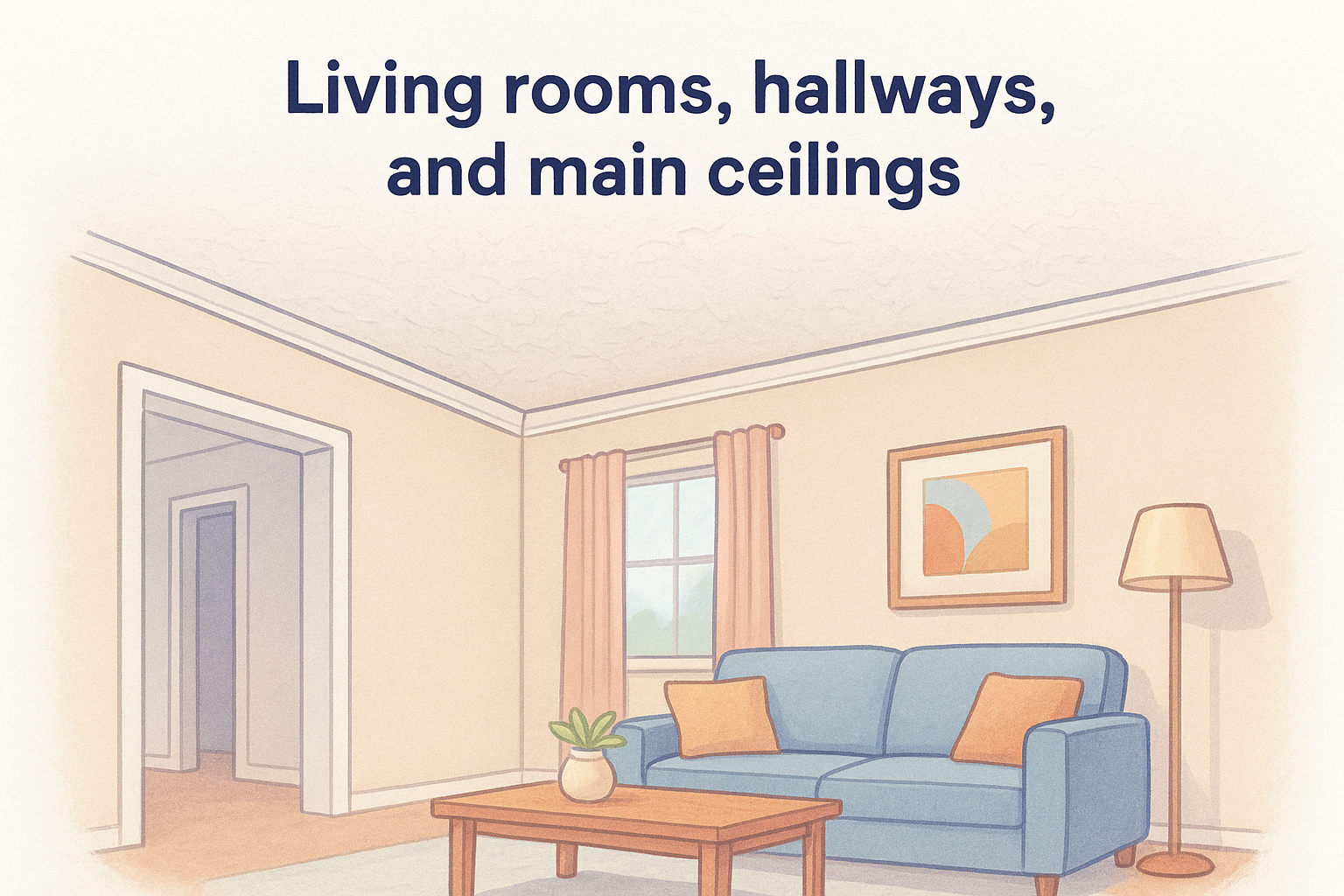
Living rooms, hallways, and main ceilings
Living rooms and hallways see the most foot traffic and the widest range of lighting throughout the day. Knockdown texture handles both well because the varied pattern holds up visually across different light conditions and hides the scuffs and minor damage that high-use areas accumulate over time. Main ceilings benefit for the same reason, since knockdown adds depth without the bulk of popcorn and works smoothly with recessed lighting setups.
If your ceiling has existing repairs or uneven sections from removed popcorn, knockdown texture is one of the cleanest ways to unify the surface in one pass.
Garages, ADUs, and renovation spaces
Garages and accessory dwelling units are practical candidates for knockdown because the finish delivers a clean, finished appearance without demanding the extra prep that a smooth coat requires. For ADU projects or conversions , where new drywall meets older surfaces, knockdown blends transitions naturally and gives the entire space a consistent look. It also holds up well in spaces that see temperature fluctuations or occasional moisture exposure.
How pros create the look and match repairs
If you want to understand what does knockdown texture look like when it's done correctly, it helps to know how professionals actually apply it. The process starts with thinned joint compound sprayed or rolled onto the surface in irregular splatters. Before the compound dries completely, the applicator uses a wide drywall knife to lightly flatten the peaks , which creates those smooth, raised islands that define the finish. Timing matters here, because compound that's too wet collapses and compound that's too dry tears rather than flattens cleanly.
The application process
Getting consistent density and spacing across a large surface requires experience with both the spray equipment and the hand tool used to knock it down. Professionals adjust compound viscosity and application pressure throughout the job to keep the pattern uniform from one end of a room to the other. A surface applied too quickly in direct sunlight, for example, will dry unevenly and produce patches that look noticeably different from the rest of the ceiling.
Matching existing texture for repairs
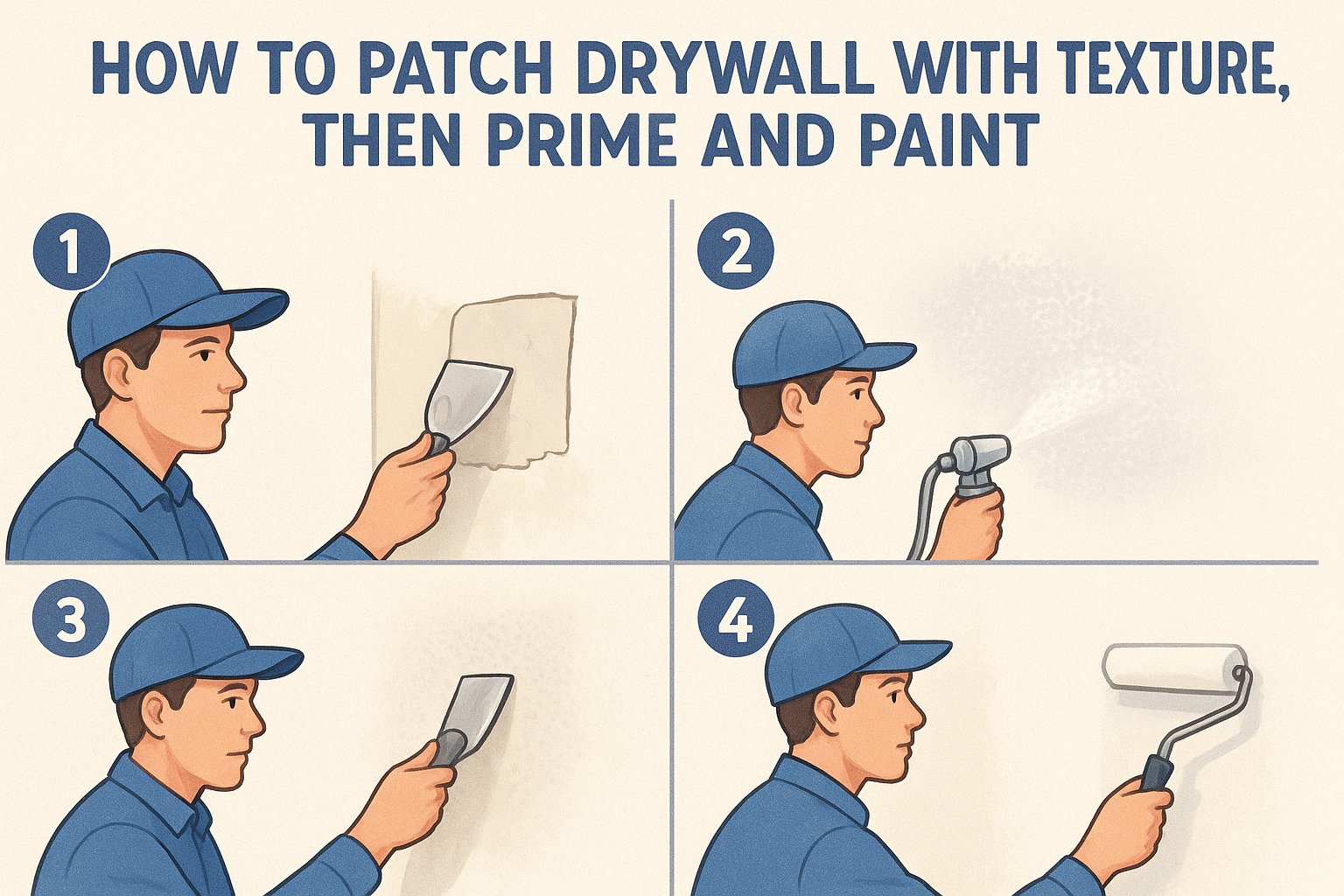
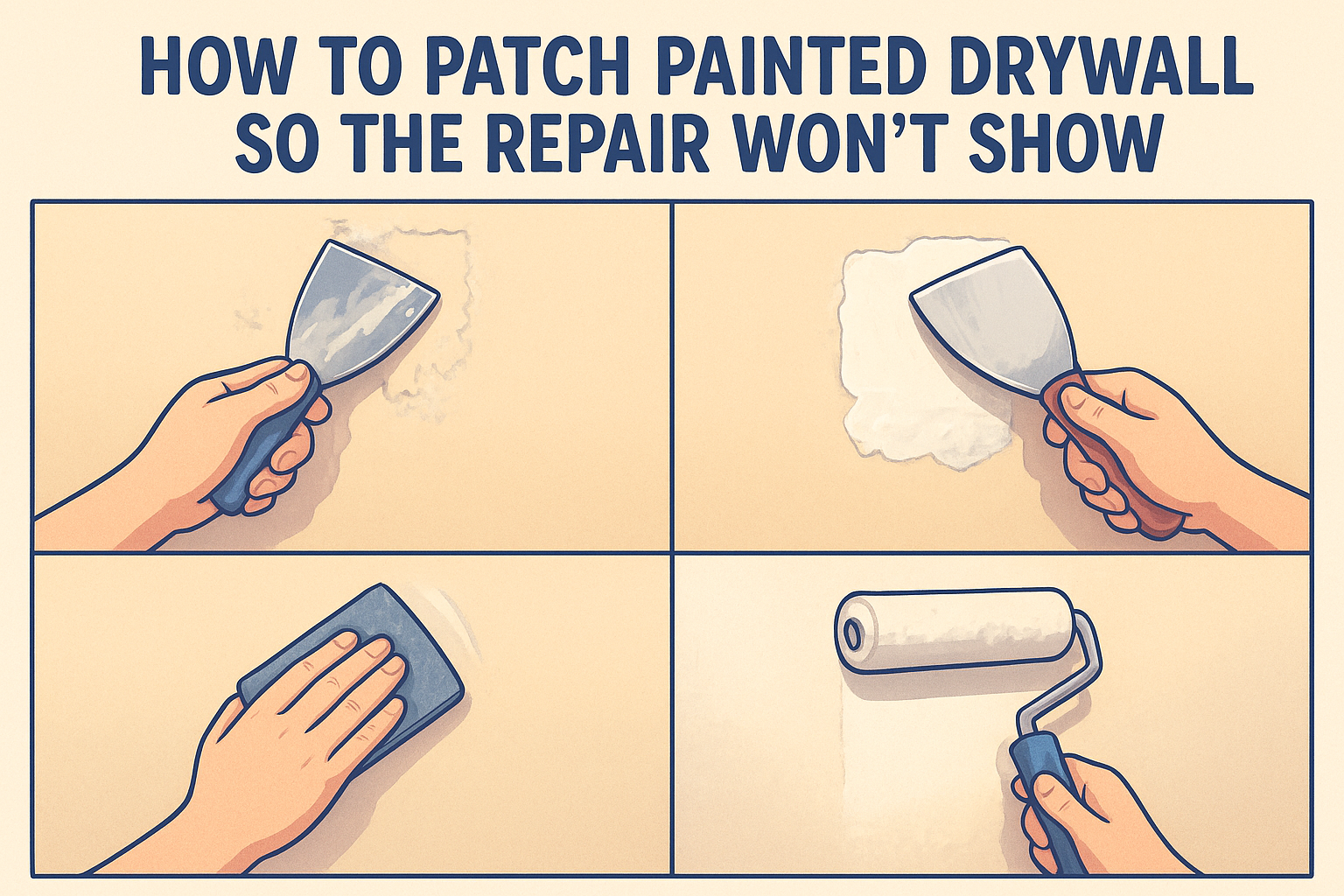
Repair work is where inexperienced applicators struggle most. Matching an existing knockdown pattern requires reading the density, size, and depth of the original finish and replicating it on a small patch without the benefit of doing the whole surface at once.
A skilled contractor will blend the repair zone into the surrounding area so that the patched section disappears completely once painted.
Professionals often test the mix and technique on a scrap board before touching the actual wall.
Next steps for your project
Now that you understand what does knockdown texture look like on walls and ceilings, you have what you need to decide whether it fits your home. The finish delivers visual depth, practical durability, and broad style compatibility without the drawbacks of older textures like popcorn. Whether you want it applied fresh to new drywall or matched to an existing surface after repairs, the outcome depends almost entirely on the skill of your contractor.
Super Shooters has completed more than 10,000 projects across the Sacramento Valley, so your walls and ceilings get handled by a crew that has seen every texture scenario. We offer free in-home consultations with no upfront payment required until the job is done. If your project starts with removing what's already up there, check out our popcorn ceiling removal service to see how we handle that first step cleanly before any new texture goes on.