September 4, 2026
Stucco Ceiling Removal Cost: What You'll Pay in 2026
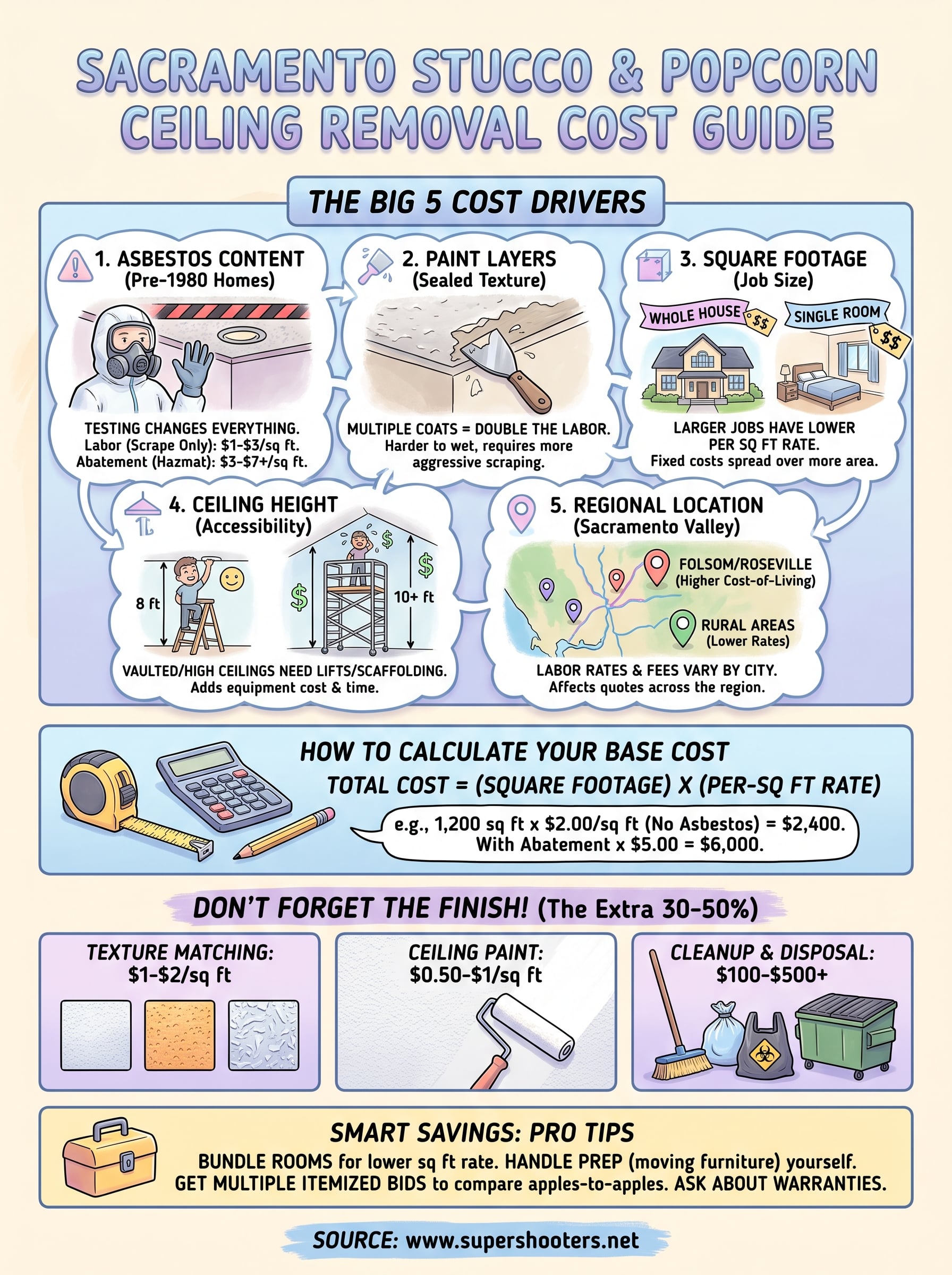
You're staring up at that bumpy stucco or popcorn ceiling wondering what it'll actually cost to get rid of it. Before you call around Sacramento Valley for quotes, you need real numbers, not vague ranges buried in a sales pitch. Stucco ceiling removal cost typically runs between $1 and $3 per square foot for labor alone, but that number swings hard depending on ceiling condition, home age, and whether asbestos testing turns up a problem.
This article breaks down exactly what drives your price up or down, from a straightforward popcorn ceiling removal cost per sq ft for a clean, asbestos-free job to the higher-end costs when abatement, texture matching, or repainting enter the picture. We'll also cover DIY pricing versus hiring a licensed crew, since scraping it yourself can save labor cost but adds risk if the ceiling material isn't safe to disturb.
By the end, you'll have a working acoustic ceiling removal cost calculator framework you can apply to your own square footage, plus a realistic sense of what homeowners across Sacramento, Roseville, Folsom, and nearby communities are actually paying in 2026 for professional removal, texture, and finish work.
Why stucco ceiling removal costs vary so much
Ask five contractors for a quote and you'll likely get five different numbers, and there's a real reason for that. Stucco ceiling removal cost depends on a handful of variables that stack on top of each other, so a job that looks simple from the ground can turn into a much bigger project once someone gets up on a ladder. The biggest swing factor by far is what's actually in the material, followed by how many layers of paint or texture sit on top of it, how high your ceilings are, and whether your home was built before or after 1980.
Asbestos testing changes everything
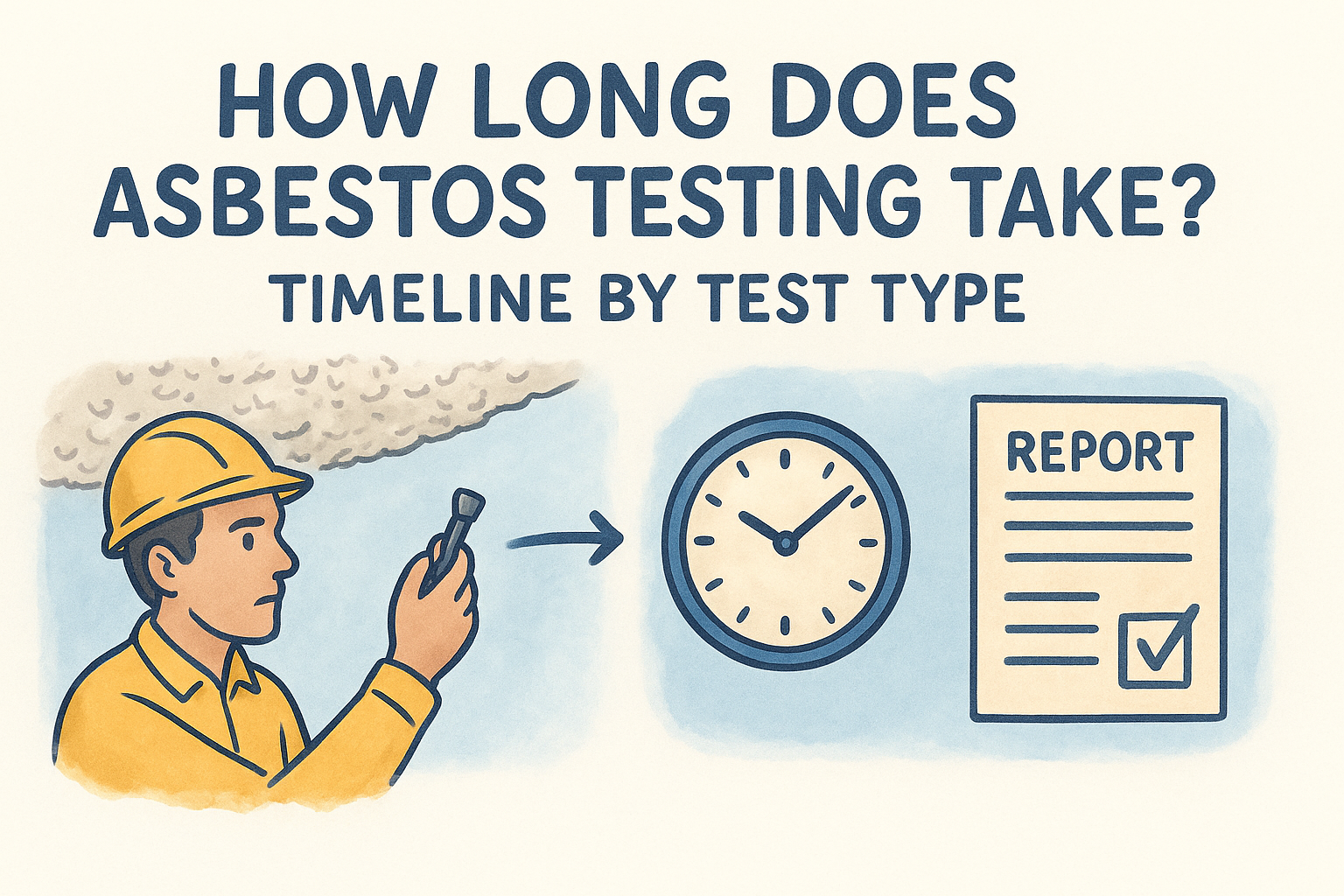
Homes built before the early 1980s often have acoustic or stucco ceilings mixed with asbestos fibers, since that was standard practice before the health risks became widely known, and the odds by build year are worth knowing before you start. A simple scrape job with no asbestos runs you $1 to $3 per square foot in labor. Once testing confirms asbestos, you're now looking at licensed asbestos abatement , which involves containment barriers, negative air pressure equipment, protective gear, and legally mandated disposal procedures. That pushes the price to $3 to $7 per square foot or higher, depending on your ceiling's square footage and local disposal fees, and our room-by-room asbestos removal price breakdown shows where those dollars go.
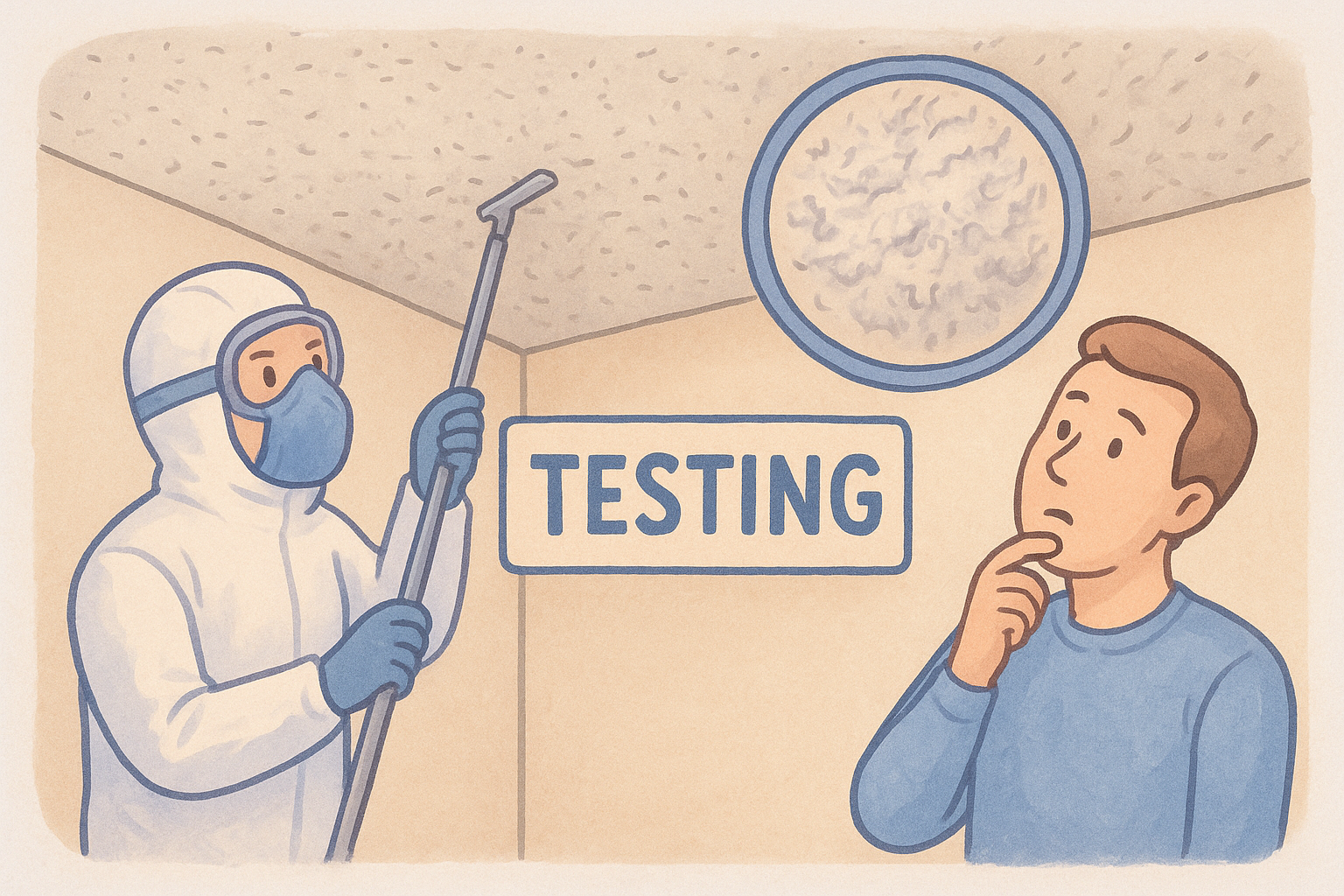
Asbestos testing is the single factor most likely to double or triple your final bill, so never skip it to save a hundred bucks upfront.
We've walked into plenty of Sacramento Valley homes where the owner assumed their popcorn ceiling was asbestos-free simply because the house looked updated, only to find out the original ceiling material was never actually replaced, just painted over. Lab testing a popcorn ceiling for asbestos costs far less than guessing wrong.
Ceiling condition and paint layers
A ceiling that's never been painted scrapes off relatively easily with water and a scraper. But if previous owners painted over the texture, and painted it again after that, you're now dealing with a sealed surface that resists water penetration. Painted popcorn texture takes longer to soften, requires more aggressive scraping, and often damages the drywall underneath, which then needs patching before any new texture or paint goes on. Contractors typically charge more per square foot for painted ceilings because the labor time roughly doubles compared to untouched texture.
Square footage and ceiling height
Bigger jobs generally cost less per square foot because fixed costs like setup, plastic sheeting, and equipment rental get spread across more area. A single 150 square foot bedroom might run $2.50 to $3.50 per square foot, while a whole-house job covering 2,000 square feet often drops to $1.50 to $2.50 per square foot, which is exactly how room size shifts the rate per square foot. Height matters too. Standard 8-foot ceilings are straightforward with a ladder, but vaulted or 10-plus foot ceilings require scaffolding or lift rental, which adds labor time and equipment cost that gets passed along to you.
Regional labor rates across Sacramento Valley
Where you live within the region also shifts pricing, since labor rates, permit requirements, and disposal fees vary by city and county. Popcorn ceiling removal in Folsom and Roseville tends to run slightly higher than more rural areas like Auburn or Davis, mostly due to cost of living and demand. Here's a general breakdown of what drives the range you'll see in most quotes:
| Cost Driver | Lower End Impact | Higher End Impact |
|---|---|---|
| Asbestos content | No testing needed, standard scrape | Full abatement, containment, disposal fees |
| Paint layers | Bare, unpainted texture | Multiple painted coats, sealed surface |
| Square footage | Whole-house job (economy of scale) | Single small room (higher per-sqft rate) |
| Ceiling height | Standard 8-foot ceiling | Vaulted or 10+ foot ceiling requiring lifts |
| Location | Rural Sacramento Valley towns | Higher cost-of-living cities like Folsom |
Once you know which of these apply to your ceiling, you can start narrowing down a realistic number instead of relying on a generic quote you found online. The next section walks through how to actually run those numbers yourself.
How to calculate your stucco ceiling removal cost
Measuring your own square footage is the fastest way to turn a vague quote into a real number. Grab a tape measure, multiply the length by the width of each room getting scraped, and add those totals together. This gives you the baseline for any acoustic ceiling removal cost calculator , whether you're building one on a spreadsheet or just doing quick math on paper, and it's the same figure our Sacramento acoustic and stucco ceiling crew starts with.
The basic formula
Start with your total square footage, then multiply it by the per-square-foot rate that matches your ceiling's condition from the earlier table. A simple version looks like this:
 Total cost = (Square footage) x (Per-sqft rate)
Example without asbestos:
1,200 sq ft x $2.00/sq ft = $2,400
Example with asbestos abatement:
1,200 sq ft x $5.00/sq ft = $6,000
Your final number is really just square footage multiplied by risk level, so nail down the asbestos question before you multiply anything.
Add texture and paint separately, since most contractors quote scraping and finishing as two line items rather than one bundled price. Texture reapplication typically runs another $1 to $2 per square foot, and a fresh coat of ceiling paint adds $0.50 to $1 per square foot on top of that.
Worked example for a typical Sacramento Valley home
Suppose you own a 1,600 square foot single-story home in Elk Grove with popcorn textured ceilings built in 1975, painted throughout and with no asbestos found in testing. Here's how that breaks down using a popcorn ceiling removal cost per sq ft approach:
- Scraping (painted texture, no asbestos): 1,600 sq ft x $3.00 = $4,800
- New texture application: 1,600 sq ft x $1.50 = $2,400
- Ceiling paint: 1,600 sq ft x $0.75 = $1,200
- Estimated total: $8,400
Swap in an asbestos abatement rate of $5.50 per square foot for that same home, and the scraping line alone jumps to $8,800, pushing the total project past $12,000 before texture and paint. Running these numbers yourself before you ever call a contractor puts you in a much stronger position to spot a quote that's out of line, either too high because someone's padding the bid, or suspiciously low because they're planning to skip proper containment.
Once you've got a rough total, ask any contractor you're considering to break their quote down the same way, by scraping, texture, and paint, so you can compare apples to apples across multiple bids instead of guessing which lump-sum number actually covers everything you need done.
What drives your removal price up or down
Beyond asbestos and square footage, a handful of smaller factors nudge your stucco ceiling removal cost higher or lower, and most homeowners never think about them until a contractor points them out during the walkthrough. These details matter because they change how long a crew spends on-site, and labor time is the biggest chunk of any quote.
Furniture, fixtures, and room prep
Rooms packed with furniture, ceiling fans, recessed lighting, or crowded closets take longer to prep than an empty room, and that prep time gets billed. Every light fixture or vent cover the crew has to remove and reinstall adds a few minutes per item, which sounds small until you multiply it across a whole house. Clearing furniture yourself before the crew arrives, or paying movers to do it, can shave real dollars off your final bill since you're not paying a licensed contractor's hourly rate to shuffle a dresser.
Every hour a crew spends moving your stuff instead of scraping your ceiling is an hour you're paying for at contractor rates, not mover rates.
Underlying repair needs
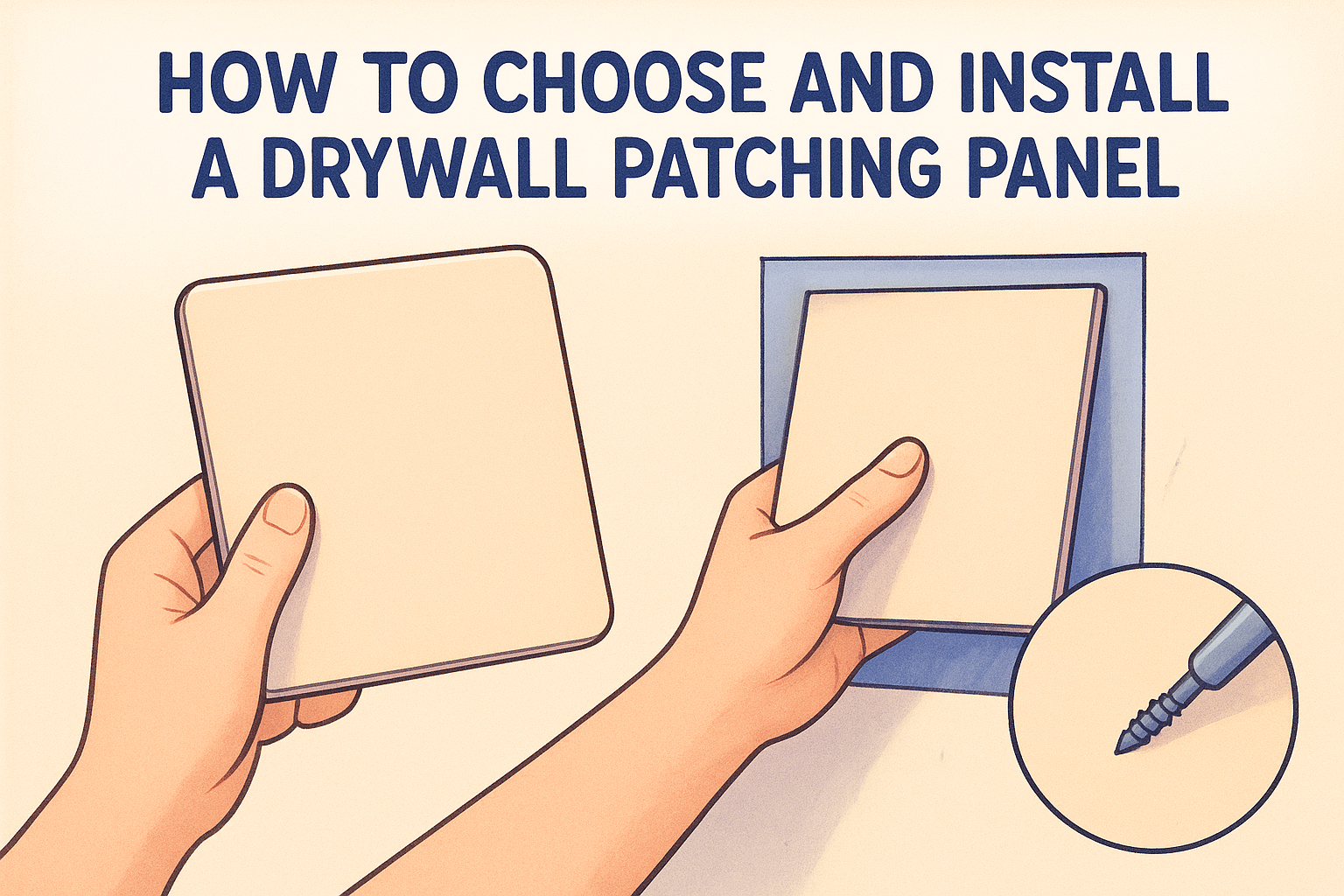
Once the texture comes off, you sometimes find water stains, cracked drywall, or nail pops that need patching before texture or paint goes back on. Homes with a history of roof leaks or foundation settling almost always need some ceiling drywall patching mixed into the job, and that work gets priced separately from the scraping itself. A ceiling that looks fine from the floor can hide damage that only shows up mid-project, so ask your contractor how they handle unexpected repairs and whether that's a fixed add-on rate or a time-and-materials charge.
Contractor licensing, insurance, and permits
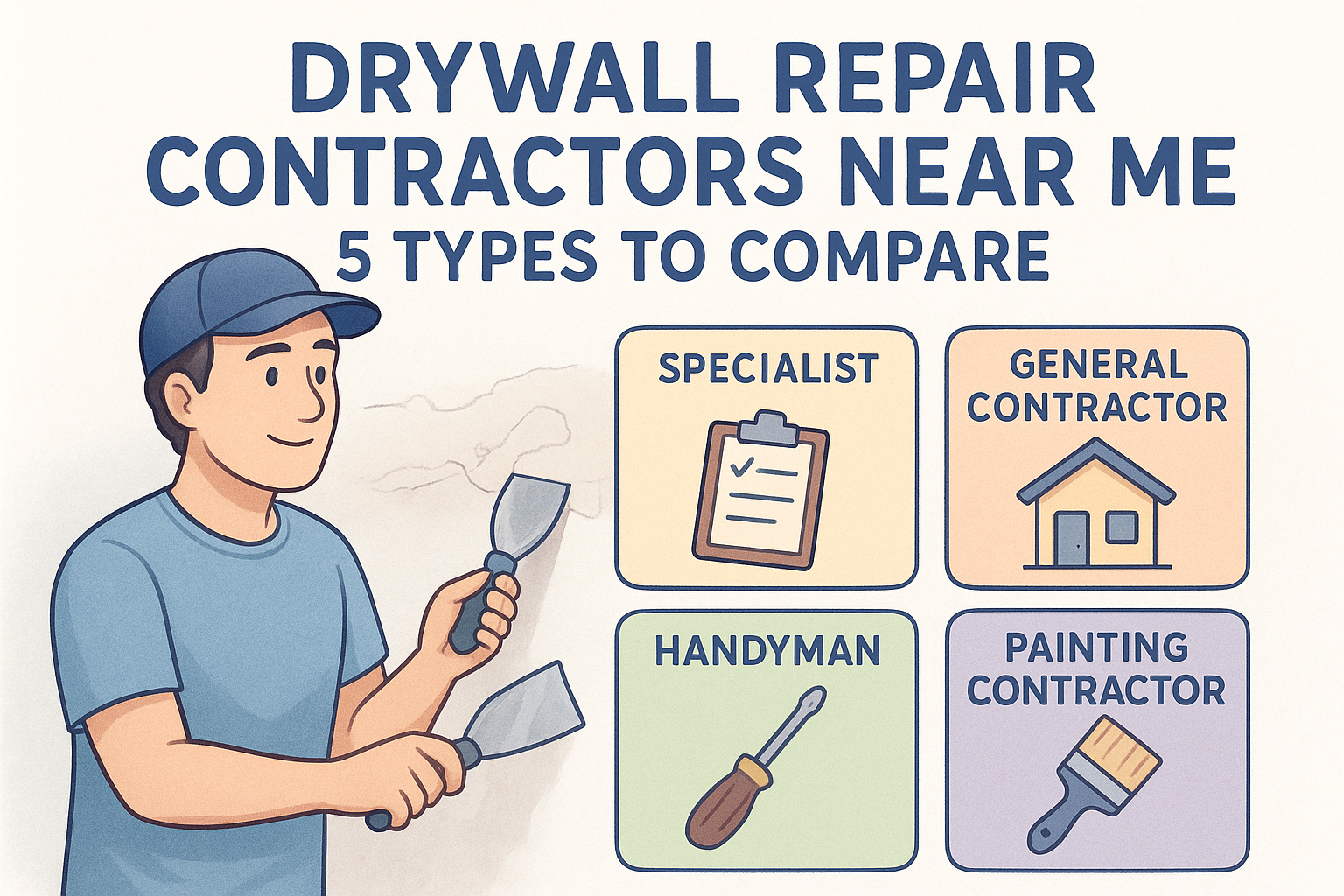
A licensed contractor carrying proper insurance and, when asbestos is involved, certified ceiling abatement credentials, typically quotes higher than an unlicensed crew working out of a truck. That higher price reflects real protection for you, since a licensed company carries liability coverage if something goes wrong and follows disposal rules that keep you out of legal trouble. Some cities also require permits for larger drywall or ceiling work, adding a filing fee to your total.
Here's a quick checklist to run through with any contractor before you sign:
- Are you licensed and insured for this specific type of work?
- Do you carry asbestos abatement certification if testing comes back positive?
- Is a permit required for my city, and who pulls it?
- How do you price unexpected drywall repair once scraping starts?
- Does your quote include fixture removal and reinstallation, or is that extra?
Working through this list before comparing bids keeps you from getting blindsided by add-on charges that weren't obvious in the initial number.
DIY vs. professional removal costs compared
Scraping your own ceiling looks tempting once you see contractor labor rates, and plenty of homeowners pull it off successfully every year. But the math only works in your favor when the ceiling is genuinely asbestos-free, painted lightly if at all, and located in a room you don't mind turning into a plastic-draped disaster zone for a weekend. DIY popcorn removal trades your labor cost for your time, your cleanup effort, and your risk tolerance if something in that texture turns out to be more than just popcorn, so read the step-by-step stucco ceiling removal guide before you pick up a scraper.
What DIY actually saves and costs
Renting a garden sprayer, plastic sheeting, drop cloths, and one of the best popcorn ceiling removal tools for DIY projects runs you somewhere between $50 and $150 depending on room size and whether you already own basic tools. Add another $20 to $40 if you need a texture sprayer for reapplication. Compare that to a professional quote covering the same room, and the gap looks huge on paper. The catch is what DIY doesn't include: drywall repair when the scraper gouges too deep, disposal fees if your city requires special bagging for construction debris, and the two or three days of your weekend spent scraping instead of doing literally anything else.
DIY saves you real money only when the ceiling is clean, asbestos-free, and you're comfortable eating the drywall repairs that almost always follow amateur scraping.
Side-by-side cost comparison
| Factor | DIY Removal | Professional Removal |
|---|---|---|
| Materials/equipment | $50-$150 rental and supplies | Included in quote |
| Labor cost | Your own time, unpaid | $1-$3/sq ft standard, $3-$7/sq ft with asbestos |
| Asbestos testing | Rarely done, high risk | Standard practice before work starts |
| Drywall repair | Often needed, DIY-quality | Included or quoted separately, professional finish |
| Disposal | Your responsibility, may violate local rules | Handled per code, especially for hazardous material |
| Warranty | None | Often included, like our Super Shield warranty |
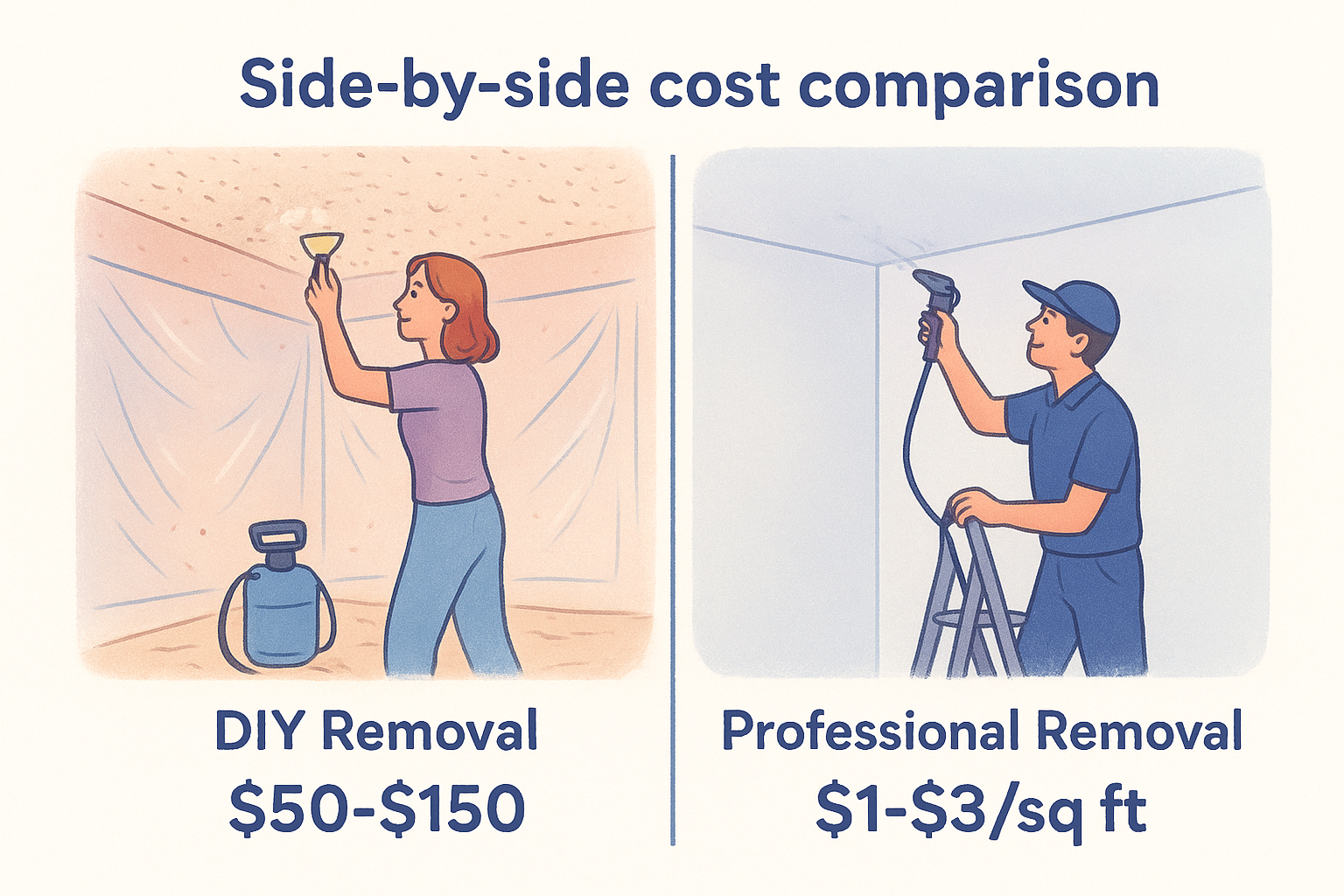
Professional crews also finish faster since they're working with the right tools and enough hands to keep the job moving, which matters if you're trying to get a room back into use quickly. Given how much a positive asbestos test changes the entire project, we generally recommend homeowners skip the DIY scrape entirely on any home built before 1980 and get a licensed assessment first. Once you know what you're actually dealing with, the decision between doing it yourself and hiring it out becomes a lot clearer, and a lot less risky.
Extra costs to budget for after removal
Most homeowners budget for the scrape and stop there, then get surprised when the final invoice includes line items they never priced out. Getting the texture off your ceiling is only step one, and the finishing work that follows often adds 30 to 50 percent on top of your original stucco ceiling removal cost estimate, which is why the 2026 prices per square foot to replace a popcorn ceiling read higher than a scrape-only quote. Planning for these costs upfront keeps your budget realistic instead of leaving you scrambling mid-project.
Texture matching and repainting
Once the old texture comes off, you're left with bare drywall that needs some kind of finish before it looks presentable, whether that's new texture or a skim coat for a perfectly smooth ceiling. A smooth, knockdown, or orange-peel texture typically runs $1 to $2 per square foot to apply, and matching an existing ceiling texture elsewhere in your home adds a little more since the crew has to test spray patterns before committing to the whole ceiling. Paint is a separate line item too, usually $0.50 to $1 per square foot for a standard ceiling white, more if you're going with a specialty finish or a tinted color that needs extra coats for even coverage.
Budget the texture and paint as their own project, not an afterthought, since skipping this step leaves your ceiling looking unfinished no matter how clean the scrape job was.
Cleanup, disposal, and debris fees
Scraped popcorn texture generates a surprising amount of debris, and if your ceiling tested positive for asbestos, that debris has to be bagged and hauled according to strict disposal rules rather than tossed in a regular dumpster. Expect disposal fees anywhere from $100 to $500 depending on square footage and whether hazardous material handling applies. Even asbestos-free jobs generate dust that settles into carpets, vents, and furniture, so seal the room off with plastic sheeting and factor in either professional cleaning or your own time wiping down every surface afterward.
Repairs that surface once the ceiling is bare
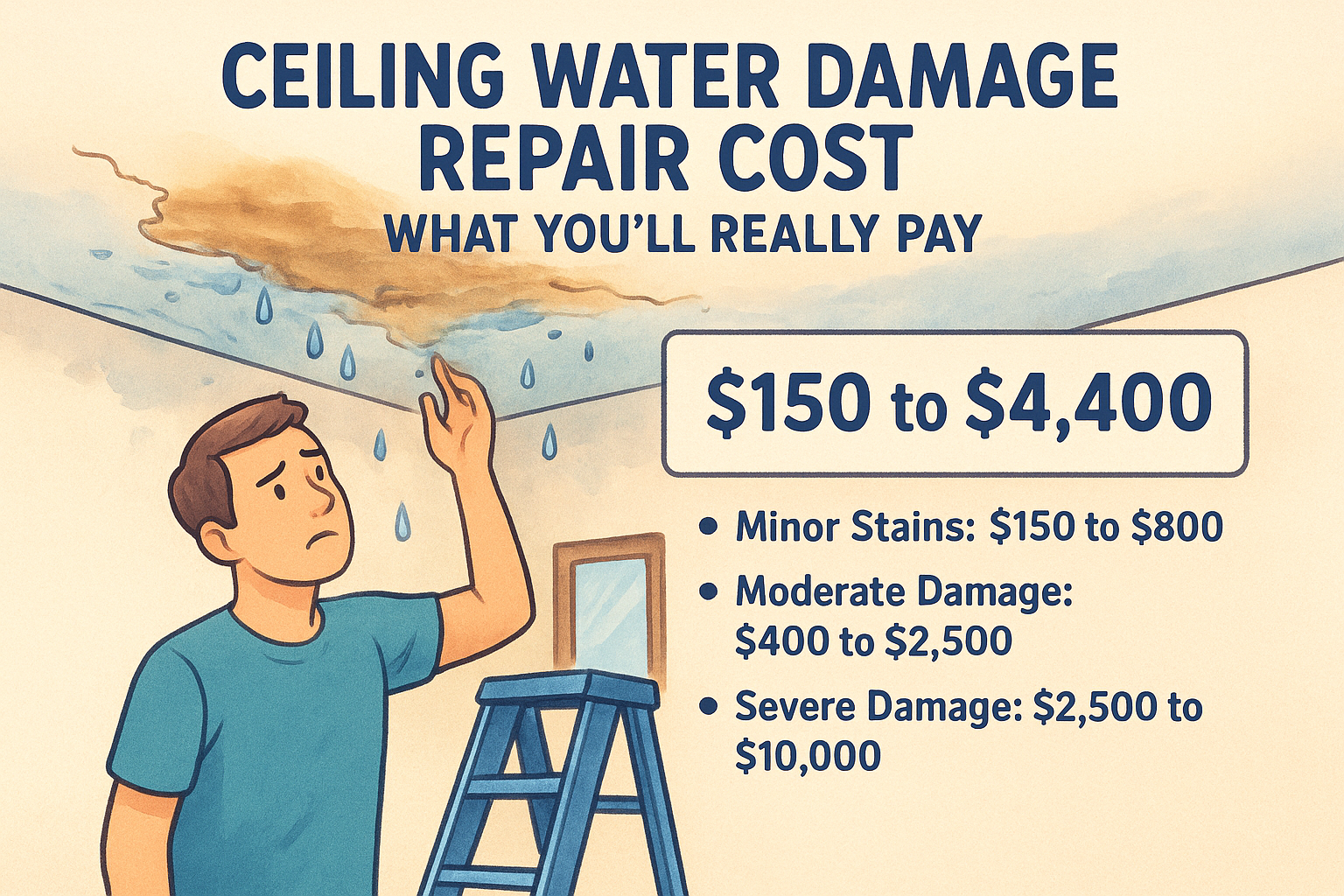
Water stains, cracked seams, and nail pops often hide under years of texture, and they only become visible once the scraper finishes its work. Patching a few small cracks might add $50 to $150, while more extensive drywall replacement after water damage can run several hundred dollars depending on the size of the affected area, so compare your add-on against 2026 repair prices by damage type. Here's a quick list of the extras that catch most homeowners off guard:
- Texture reapplication: $1-$2 per sq ft
- Ceiling paint: $0.50-$1 per sq ft
- Debris disposal: $100-$500
- Drywall patching: $50-$150 for minor spots, more for larger water damage
- Fixture reinstallation labor if not included in the original quote
Running these numbers through your own popcorn ceiling removal cost calculator before the crew starts keeps the final bill from feeling like a shock, and gives you room to negotiate which of these steps get bundled into your original quote versus billed separately.
How to save money on your project
Cutting your final bill doesn't mean cutting corners on safety, especially once asbestos enters the conversation. Saving money on ceiling removal comes down to timing, bundling, and knowing which parts of the job you can realistically handle without turning a simple project into a repair nightmare. A little planning before you call contractors puts real dollars back in your pocket.
Bundle rooms and schedule strategically
Getting multiple rooms scraped at once almost always beats calling a contractor back room by room over several months. Setup, containment, and equipment rental costs get spread across more square footage, which is why a whole-house job often prices out lower per square foot than three separate single-room visits. Ask your contractor about off-season scheduling too, since winter months in the Sacramento Valley tend to be slower for interior remodel work, and some crews offer better rates just to keep their schedule full.
Booking one large job beats booking three small ones, since every extra visit means paying for setup and teardown all over again.
Handle prep work yourself
Clearing furniture, taking down curtains, and removing wall art before the crew arrives shifts labor hours away from contractor rates and onto your own time. Some homeowners also handle post-project cleanup themselves, like wiping down baseboards and vacuuming dust out of vents, rather than paying for a professional cleaning add-on. Just don't attempt to scrape any texture yourself if there's any chance the home predates 1980 and hasn't been tested, since that's the one shortcut that can cost far more than it saves.
Get multiple bids and ask about warranties
Pricing varies more than most homeowners expect across Sacramento Valley contractors, so collecting three or four quotes gives you real leverage instead of settling for the first number you hear. Compare bids using the same breakdown you built earlier, scraping, texture, and paint, so you're comparing equivalent scopes of work rather than one contractor's lump sum against another's itemized list.
Here's a short list of questions that tend to reveal savings during the bidding process:
- Do you offer a discount for bundling multiple rooms or the whole house?
- Is there a warranty included, and does it cover texture cracking or peeling later?
- Can you provide a written itemized quote instead of a single total?
- Are there seasonal or off-peak scheduling discounts available?
- What happens to the price if drywall repair turns out to be minor versus extensive?
A contractor offering a solid warranty, like our own Super Shield warranty , often ends up cheaper in the long run even at a slightly higher upfront price, since you're not paying again later if texture cracks or paint peels prematurely. Weigh the warranty coverage against the sticker price rather than chasing the lowest bid on the page, and you'll usually come out ahead once you factor in the full lifespan of the finished ceiling.
Planning your next steps
You now have a real framework for pricing this project instead of a vague guess. Stucco ceiling removal cost comes down to a few knowable factors: square footage, asbestos status, paint layers, and what finishing work follows the scrape. Run your own numbers using the formulas above, get testing done before anyone touches your ceiling, and collect a few itemized bids so you're comparing real scopes of work rather than lump sums.
Zero in on the details that matter most for your home. Older homes need testing first, painted ceilings need extra labor time, and vaulted rooms need equipment most crews don't carry standard. Getting these variables right upfront saves you from surprise charges once the plastic sheeting goes up.
If your Sacramento Valley home was built before 1980 or you just want a professional opinion before committing, schedule a free stucco and popcorn ceiling removal estimate and get real numbers instead of guesswork.
Recent Posts