Share this article

October 10, 2026

How to Sand Drywall Without Dust: 5 Clean Methods That Work

Sanding drywall is the messy part of any patch or remodel. Fine gypsum powder floats into vents, coats furniture, and shows up in rooms you never touched days later. If you are staring at a freshly mudded wall and dreading the cleanup, there is a better way.

The short answer: how to sand drywall without dust comes down to controlling the powder at the source. You can sand wet with a sponge , hook a sander to a HEPA vacuum , or mist the surface lightly. Add a sealed dust barrier and you will keep nearly all of it out of your living space. No method is truly 100% dust-free, but these get you close.

Below, you will find five clean methods, the tools each one needs, and when to use which. We have finished drywall in Sacramento Valley homes for over 30 years and more than 10,000 projects , so these are techniques we trust on real jobs. Pick the one that fits your patch, your budget, and your tolerance for mess.

Why drywall dust gets everywhere and what it costs you

Joint compound is mostly gypsum and filler, and sanding grinds it into particles finer than flour. Those particles stay airborne for hours before they settle on everything you own. That is why how to sand drywall without dust is really a question about containment, not just cleanup.

Why the dust travels so far

A standard sander throws powder in every direction at once. A basic shop vac with a paper filter often blows the finest particles back into the room , so it grabs the chunks and misses the dust that actually spreads.

Air movement does the rest. Your furnace or AC pulls floating dust through the return vents, and open doorways carry it down the hall. Dust that reaches your ducts keeps circulating for weeks.

Dust you never let become airborne is dust you never have to clean up.

What it costs you

The bill adds up fast. A single patch can leave hours of cleanup , and the damage goes beyond the mess:

  • Clogged HVAC filters and dusty ducts
  • Irritated eyes, nose, and throat if you skip an N95 respirator
  • Dust trapped under primer, which shows up as bumps and weak paint adhesion
  • Fouled carpet, upholstery, and electronics

Older homes carry one more risk. If your popcorn or acoustic ceiling dates to before the mid-1980s, test it for asbestos before you sand or scrape . If the result is positive, stop and call a licensed abatement contractor instead of working it yourself.

Step 1. Prep the room and set up dust barriers

Start here, whichever sanding method you pick. Learning how to sand drywall without dust begins with the room, not the sander, and containment takes about 20 minutes .

Seal the work area

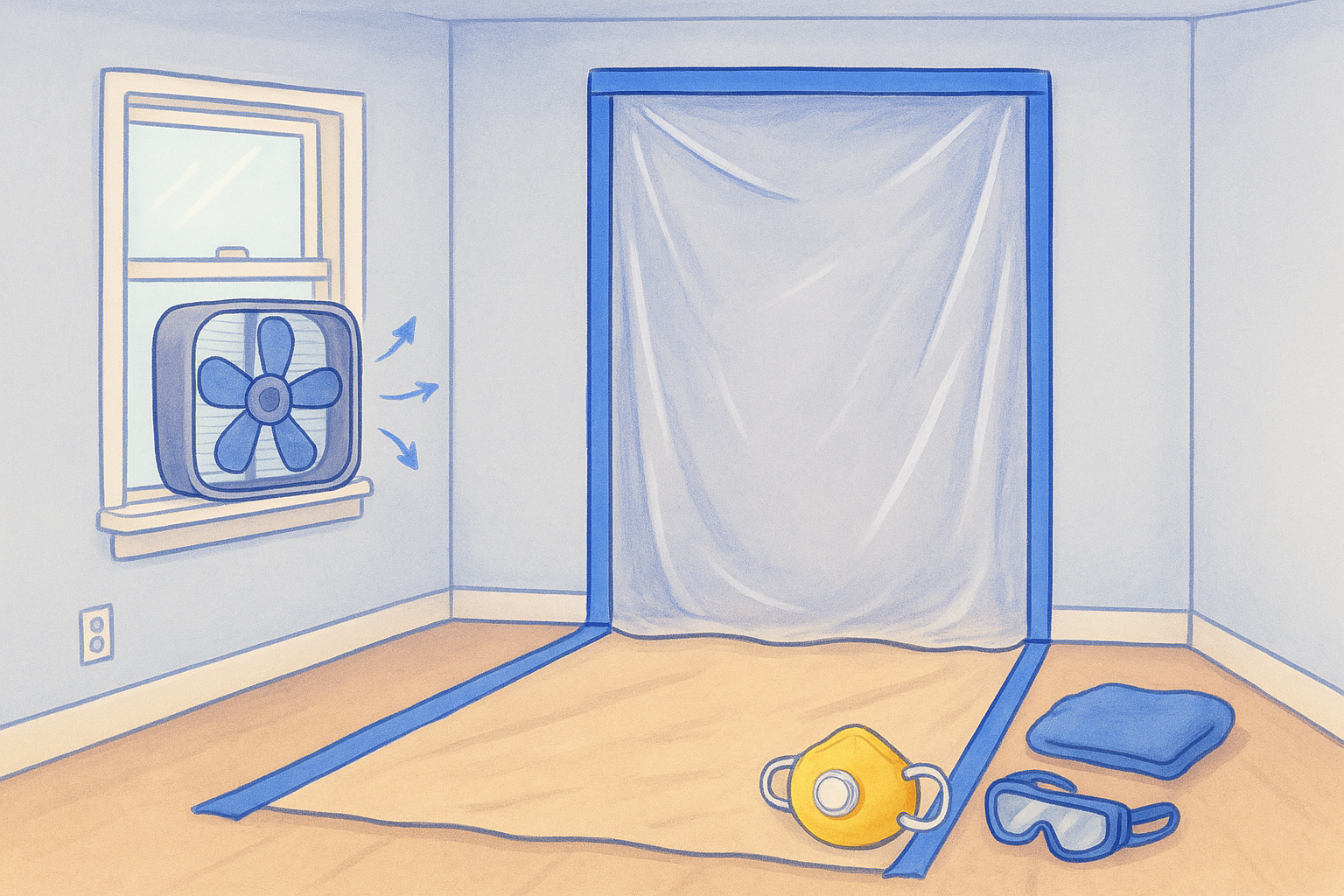
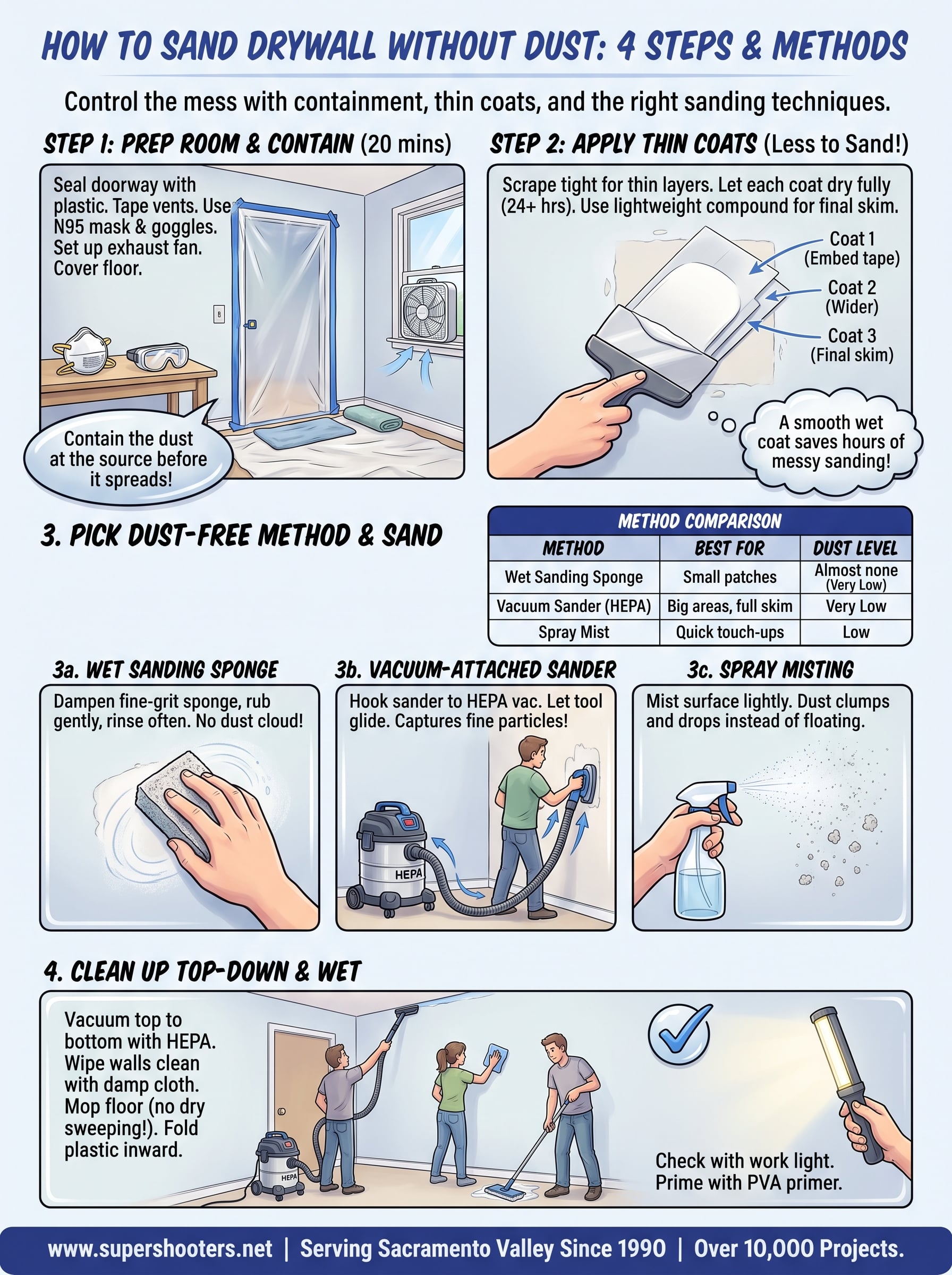
Hang 6-mil plastic sheeting over the doorway with painter's tape, then shut down the airflow :

  • Turn off the furnace or AC while you work.
  • Tape plastic over every supply and return vent.
  • Set a box fan in a window, facing out, to pull air outdoors.

Seal the room before you sand, because dust that escapes is nearly impossible to catch.

Protect floors and lungs

Lay a drop cloth or rosin paper on the floor and tape it to the baseboard. Then put on an N95 respirator and goggles, since fine gypsum dust gets into eyes and lungs fast.

Finally, keep a damp towel at the plastic doorway. Wipe your hands and shoes before you leave so you do not track powder through the house .

Step 2. Apply thin coats to cut sanding down

The least dusty sanding is the sanding you skip. If you want to know how to sand drywall without dust , start by applying thinner coats so there is less hardened mud to grind off later.

Build the patch in layers

Heavy coats dry with ridges and humps that take real sanding to knock down. Thin coats dry nearly flat , so hold your knife at a low angle and scrape off blobs while the mud is still wet.

  • Coat 1: Embed the tape or fill the hole, then scrape it tight.
  • Coat 2: Spread 8 to 10 inches wide once the first coat is fully dry.
  • Coat 3: Skim 12 inches wide with one light, thin pass.

A smooth wet coat saves you from sanding a rough dry one.

Let each coat dry first

Damp mud gums up sandpaper and smears instead of smoothing. Wait a full 24 hours between coats, longer in humid weather. Choose lightweight all-purpose compound for the final skim, since it sands easier and leaves less grit to chase.

Step 3. Pick a dust-free method and sand

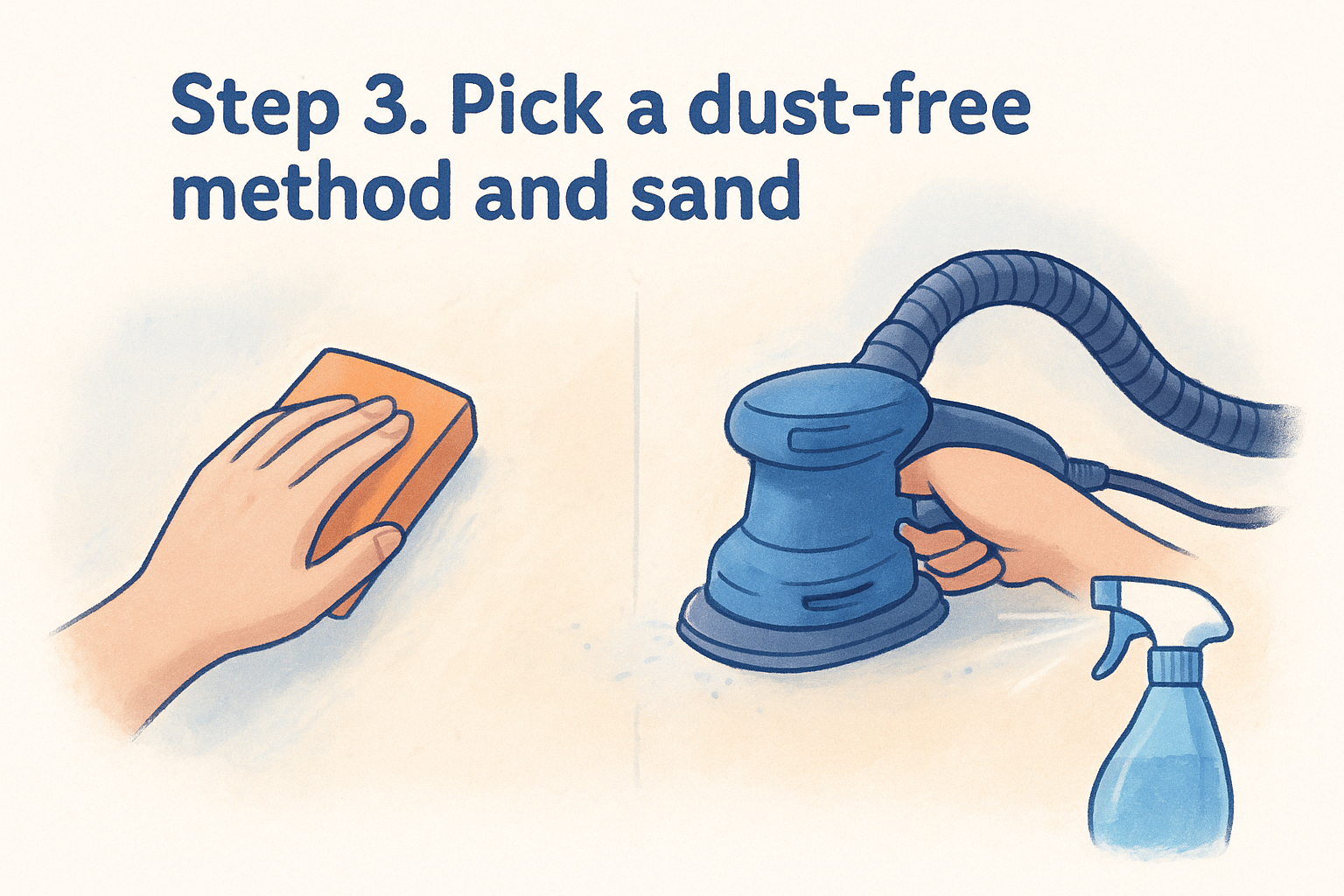
Now comes the sanding. Match the method to the job, because how to sand drywall without dust depends on patch size. Choose a sponge for small repairs and a vacuum sander for big areas .

Compare the three methods

Use this table to match the tool to your patch and expect the dust level shown.

Method Best for Dust level
Wet sanding sponge Small patches, final smoothing Almost none
Vacuum-attached sander Large walls, full skim coats Very low
Spray misting Quick touch-ups Low

Sand with the right technique

Dampen a fine-grit sanding sponge , wring it out, and rub in light circles. Rinse it often so mud does not smear back.

Connect a HEPA vacuum to your sander and use 120-grit screens . Let the tool glide without pressing hard.

Keep the surface damp or the vacuum running, and the dust never gets airborne.

Mist the wall lightly with a spray bottle if you sand dry. Damp dust clumps and drops, but soaked mud turns gummy.

Step 4. Clean up and check the finish

Cleanup shows whether your containment worked. Wait 15 minutes after the last pass so airborne particles settle. Knowing how to sand drywall without dust only pays off if you finish the cleanup the same careful way.

Clean from the top down

Work in this order so you never re-dust a clean surface , and always go top down :

  1. Vacuum walls, ceiling edges, and trim with a HEPA vacuum and brush attachment.
  2. Wipe the walls clean before painting with a damp microfiber cloth, rinsing often.
  3. Mop the floor. Never dry sweep.
  4. Fold the plastic and drop cloth inward, then bag them.

Wipe wet and vacuum with HEPA, because a dry broom puts the dust right back in the air.

Check the finish

Hold a work light flat against the wall at a low angle. Shadows reveal ridges, pits, and edges that overhead light hides. Then slide your palm over the patch, since your hand catches flaws your eyes miss.

Fix any pinholes with a thin skim coat, let it dry, and sand the patch smooth again with your wet or vacuum method. Once the wall feels smooth, prime with a PVA drywall primer so the paint dries evenly over patch and wall alike.

Keep the dust down, finish the job right

Learning how to sand drywall without dust comes down to three habits: seal the room , apply thin coats , and sand wet or with a HEPA vacuum. Clean from the top down with damp cloths, and the powder stays out of your vents, your furniture, and your lungs.

Bigger jobs are a different story. Water-damaged walls, long settlement cracks, or a full skim coat can eat a weekend and still leave flaws that show under paint . If your ceiling might contain asbestos, do not sand it yourself .

If you would rather hand the work to a crew that has done it thousands of times, our team handles drywall repair and patching across the Sacramento Valley. We offer free in-home estimates , and you pay nothing upfront until the project is complete.

Recent Posts

By cinchweb • October 9, 2026
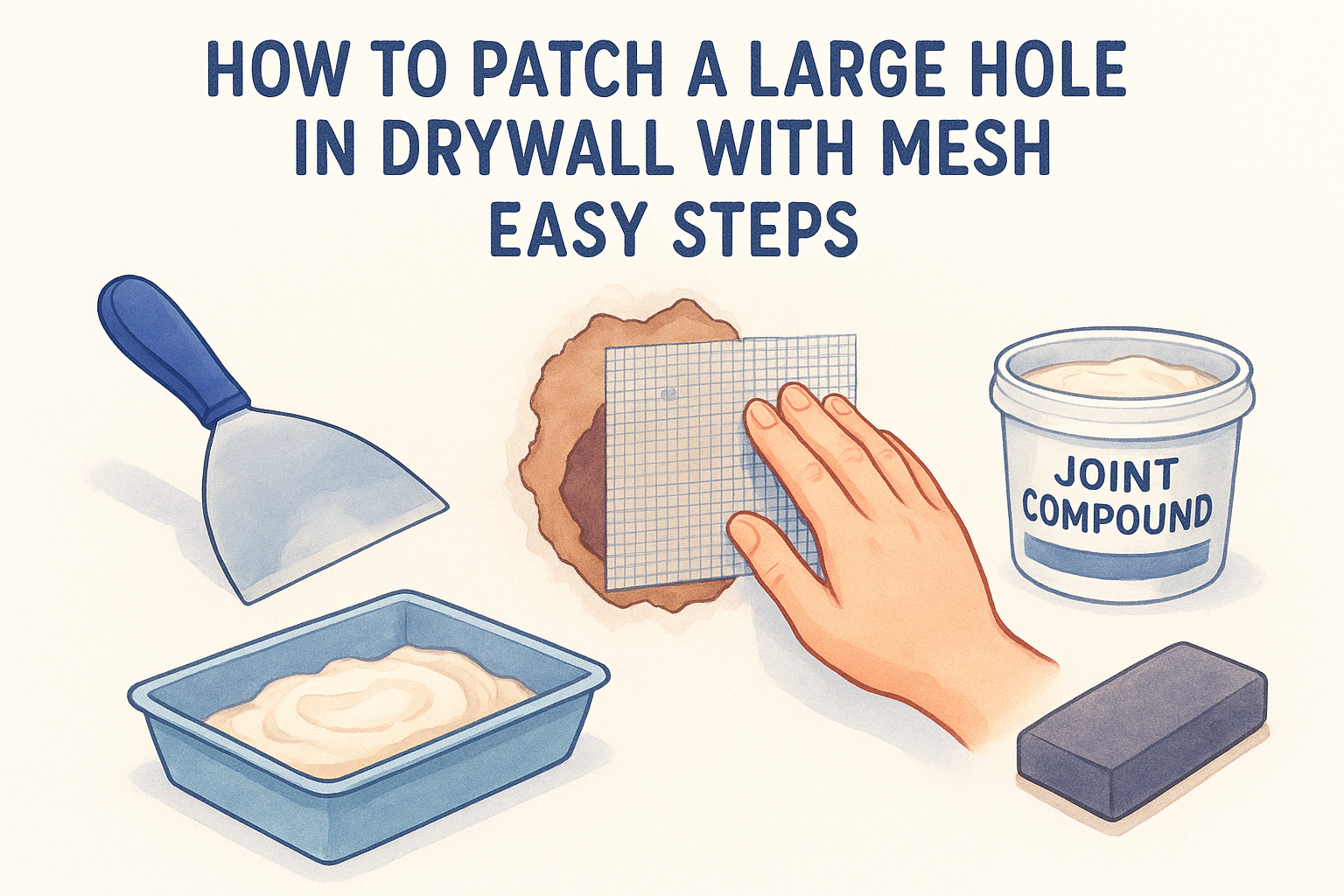
Learn how to patch a large hole in drywall with mesh. Get the tools list, three-coat mud method, sanding and paint tips for a 2–6 inch repair.
By cinchweb • October 8, 2026
Compare 6 Chicago pros for ceiling drywall repair near me, see prices ($250–$1,500 patches to sections), and learn how to vet quotes before paying.

By cinchweb • October 7, 2026
See 2026 California asbestos abatement cost per square foot by material, plus a 1,000 sq ft example, removal vs. encapsulation, and how to read a quote.
By cinchweb • October 6, 2026
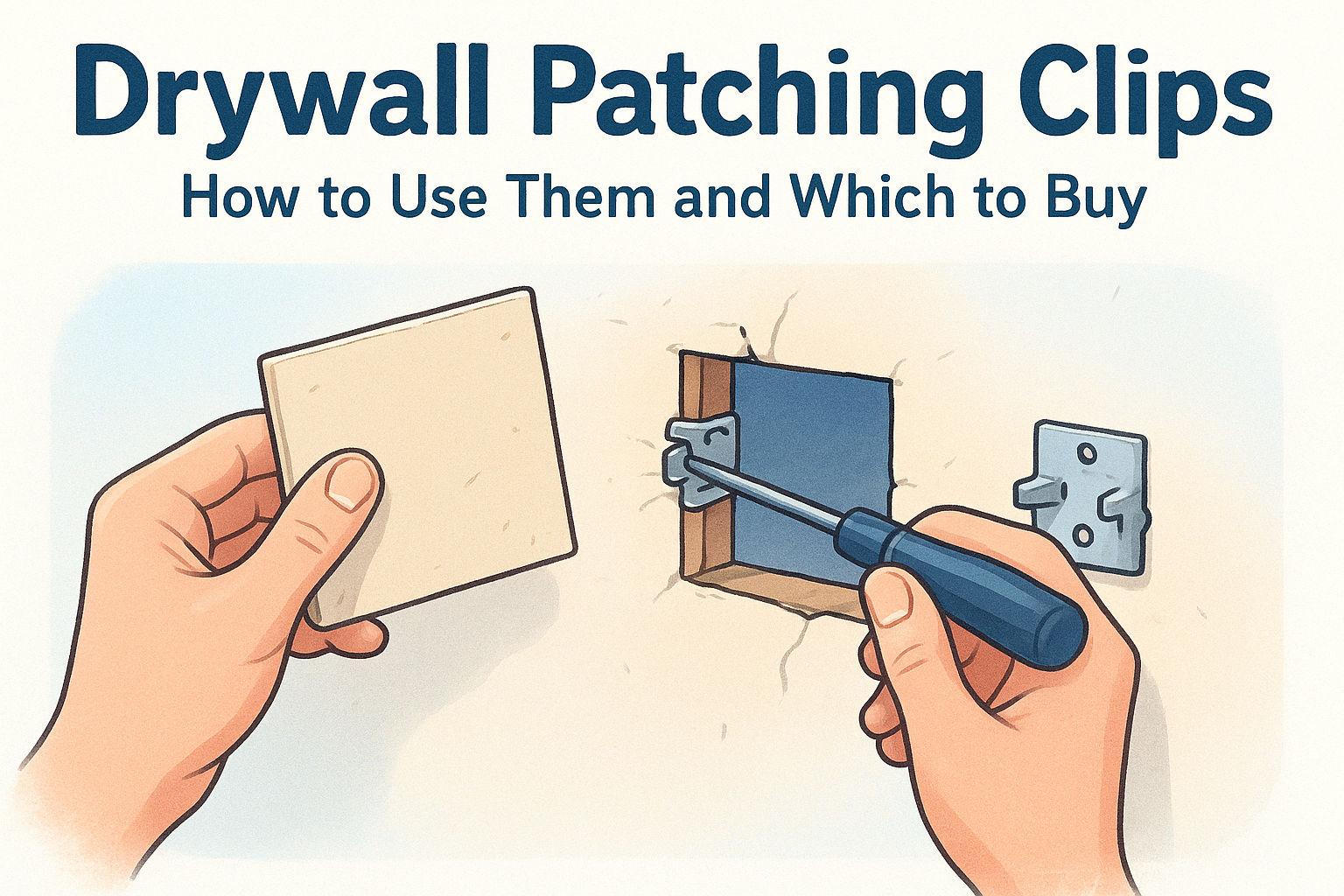
How to use drywall patching clips on 4-12 inch holes: pick the right thickness, set the patch, finish in three coats, and know when to call a pro.
By cinchweb • October 5, 2026
Find the best joint compound for skim coating: compare lightweight, all-purpose, Plus 3, Easy Sand and Durabond, plus how to mix, apply and sand.
By cinchweb • October 5, 2026
Is vertical drywall installation okay? Learn when it works, how to hang sheets step by step, common mistakes, and when to hire a pro.
By cinchweb • October 5, 2026
Learn how to patch drywall outlet hole damage safely: match the patch to the gap, then finish with thin coats and primer for a seamless wall.
By cinchweb • October 2, 2026
Drywall ceiling repair near me? Compare 5 contractors, including Super Shooters, and learn what to ask about estimates, warranties and asbestos.
By cinchweb • October 1, 2026
Learn how to patch a nail hole in drywall with tools under $15, spackle, sanding, priming, and painting tips for a seamless, lasting repair.

Show More