Share this article

June 23, 2026

Smooth Ceiling After Popcorn Removal: Step-By-Step Skim Coat

Scraping off popcorn texture is the easy part. Getting a smooth ceiling after popcorn removal , one that actually looks finished and professional, is where most homeowners hit a wall (or, more accurately, a ceiling). The surface underneath is rarely flat. You'll find gouges, ridges, joint compound seams, and patches that all need attention before you can call the job done. Without the right approach, you end up with a ceiling that looks worse than the popcorn you just removed.

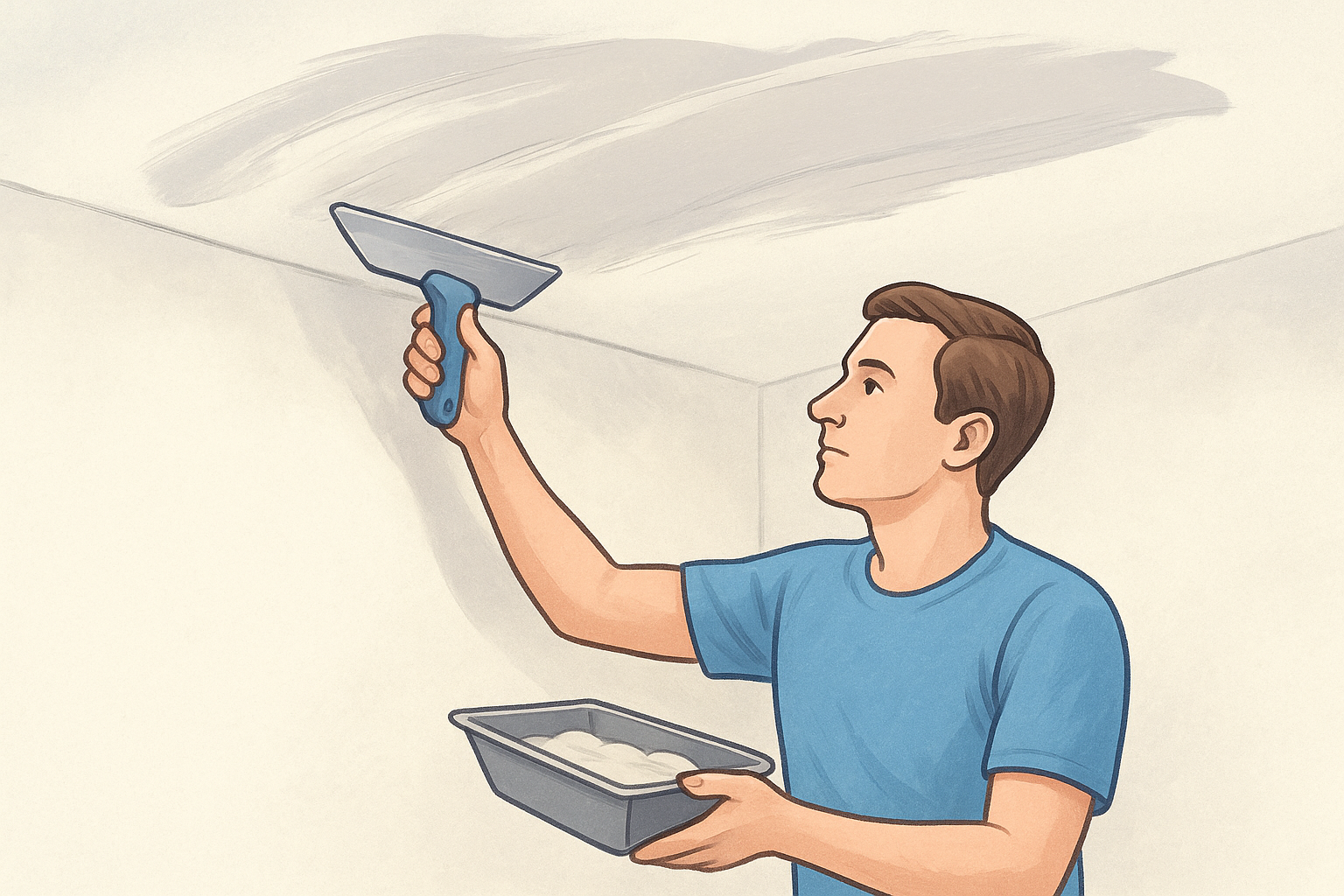
The fix is skim coating , a process where you apply thin layers of joint compound across the entire ceiling to fill imperfections and create a uniform surface. It's straightforward work, but it demands patience, proper technique , and a willingness to sand more than you'd probably like.

At Super Shooters, we've completed over 10,000 ceiling projects across the Sacramento Valley in our 30+ years of business, and skim coating is a core part of nearly every popcorn removal job we do. Below, we'll walk you through the full process step by step so you know exactly what's involved, whether you tackle it yourself or hire a pro .

Before you skim coat: tools, safety, and prep

Getting a smooth ceiling after popcorn removal starts well before you open a bucket of joint compound. Rushing into the skim coat without the right tools or a properly prepped surface wastes time and produces a poor result. Spend 30 minutes gathering your materials and setting up correctly, and every step after that goes faster.

Tools you'll need

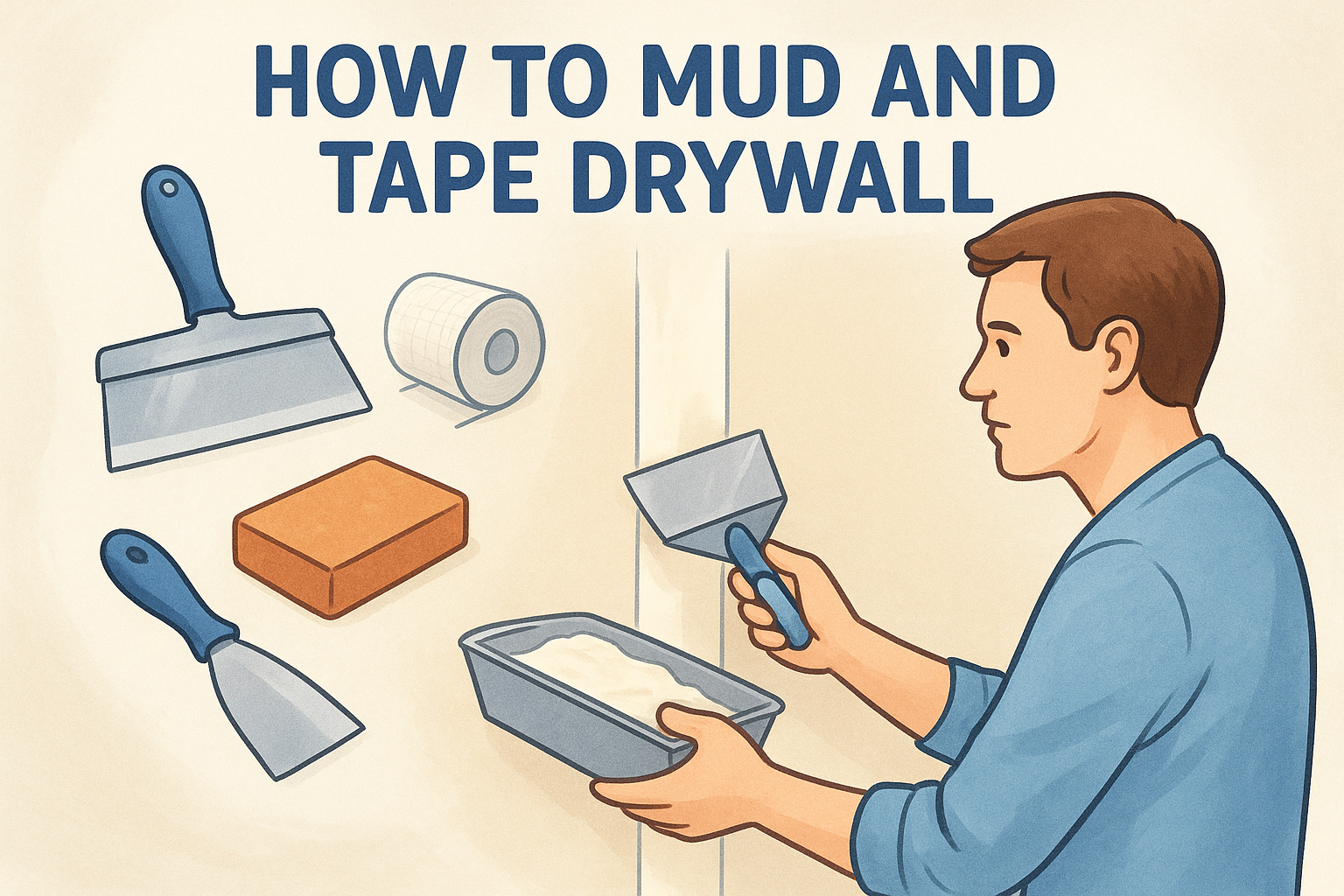
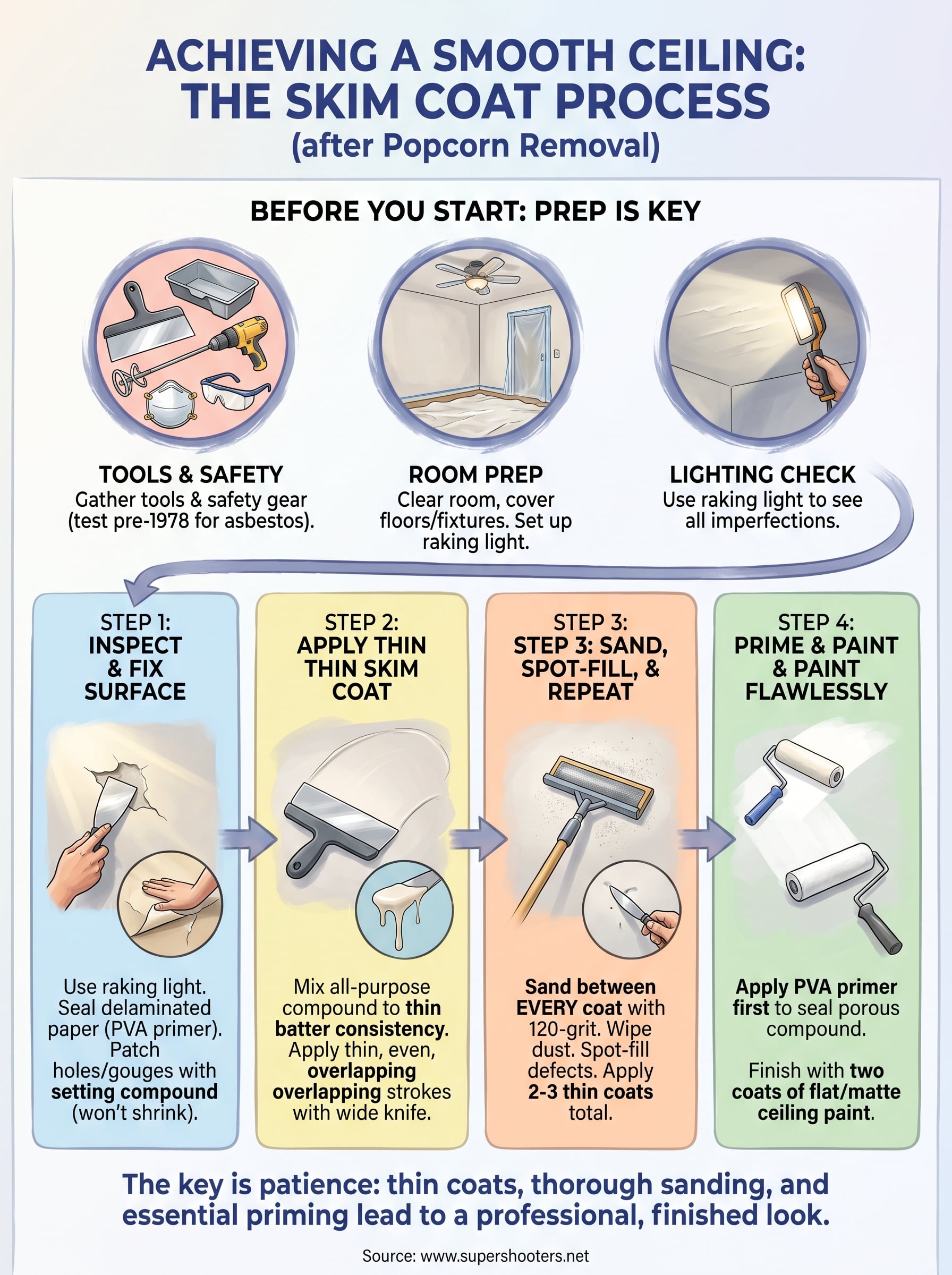
You don't need expensive equipment, but the right tools make a measurable difference in how the finished ceiling looks. A wide knife spreads compound more evenly than a narrow one, and a proper mixing paddle prevents lumps that show up in the dried coat. Here's what to have on hand before you start:

  • 10- to 12-inch drywall knife for applying and smoothing compound
  • 6-inch putty knife for patching small holes and gouges
  • Mud pan to hold joint compound while you work
  • Drill with a paddle mixer attachment to blend compound to a smooth, lump-free consistency
  • Sanding pole with 120-grit and 220-grit sanding screens
  • Drop cloths and painter's tape to protect walls and floors
  • Bright work light or shop light positioned to reveal surface imperfections

Safety before you start

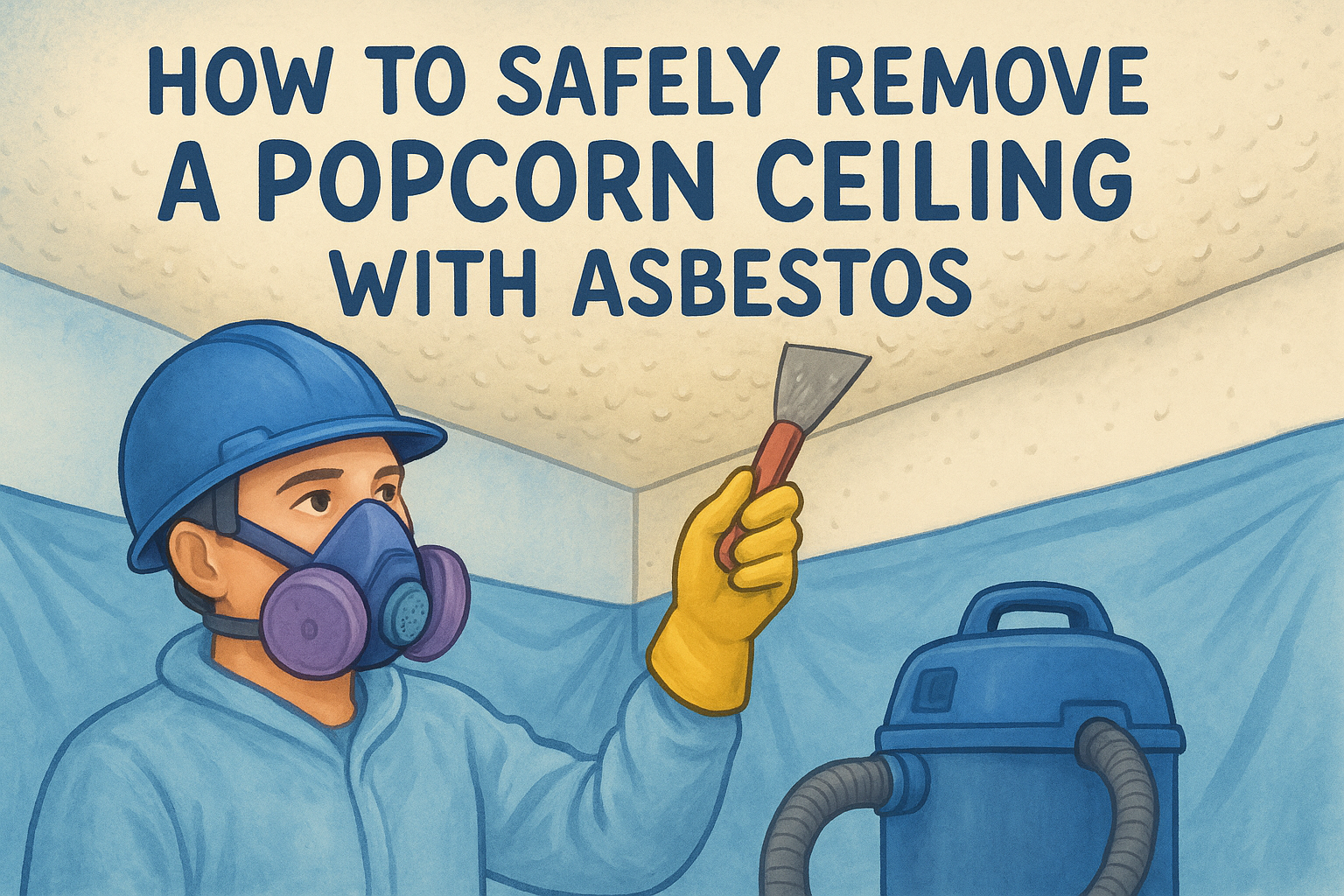
Popcorn ceilings installed before 1978 may contain asbestos , and any scraping or sanding of those ceilings requires professional testing before you proceed. If your home was built during that era and you haven't tested yet, stop and contact a licensed abatement professional . Do not skip this step.

If there's any doubt about whether your ceiling contains asbestos, get it tested before you touch it. The risk isn't worth the shortcut.

Even on asbestos-free ceilings , wear an N95 respirator during sanding, protect your eyes with safety glasses, and keep the room ventilated. Joint compound dust is fine and spreads farther than you'd expect.

Prep the room before mixing anything

Clear the room as completely as possible and lay drop cloths across the entire floor. Tape plastic sheeting over doorways to contain dust. Turn on your bright work light and angle it low against the ceiling surface so every ridge, dent, and tape seam becomes visible. Good lighting is what separates a thorough prep job from one that misses half the problems.

Cover any ceiling fixtures or fans with plastic bags secured with tape. Wet compound gets into everything, and protecting fixtures now takes far less time than cleaning dried compound off them later.

Step 1. Inspect the ceiling and fix the surface

Before you mix a single batch of joint compound, spend 10 to 15 minutes with your bright work light aimed at a sharp angle across the ceiling. This raking light technique reveals every imperfection that direct overhead lighting hides: ridges left by scraping, exposed drywall paper, torn seams, and old screw pops. Skipping this inspection means those problems show through your skim coat once it dries.

Look for damage before you apply anything

Run your hand across the ceiling in multiple directions to feel for ridges and soft spots that your eye might miss. Take note of anywhere the drywall paper looks fuzzy or peeled back. This is called delamination, and it will bubble under a skim coat if you don't fix it first. Press any lifted paper edges down firmly with a putty knife and seal them with a thin coat of PVA primer before moving on.

Delaminated drywall paper is one of the most common reasons skim coats bubble and peel. Address it before you apply any compound.

Patch holes and gouges first

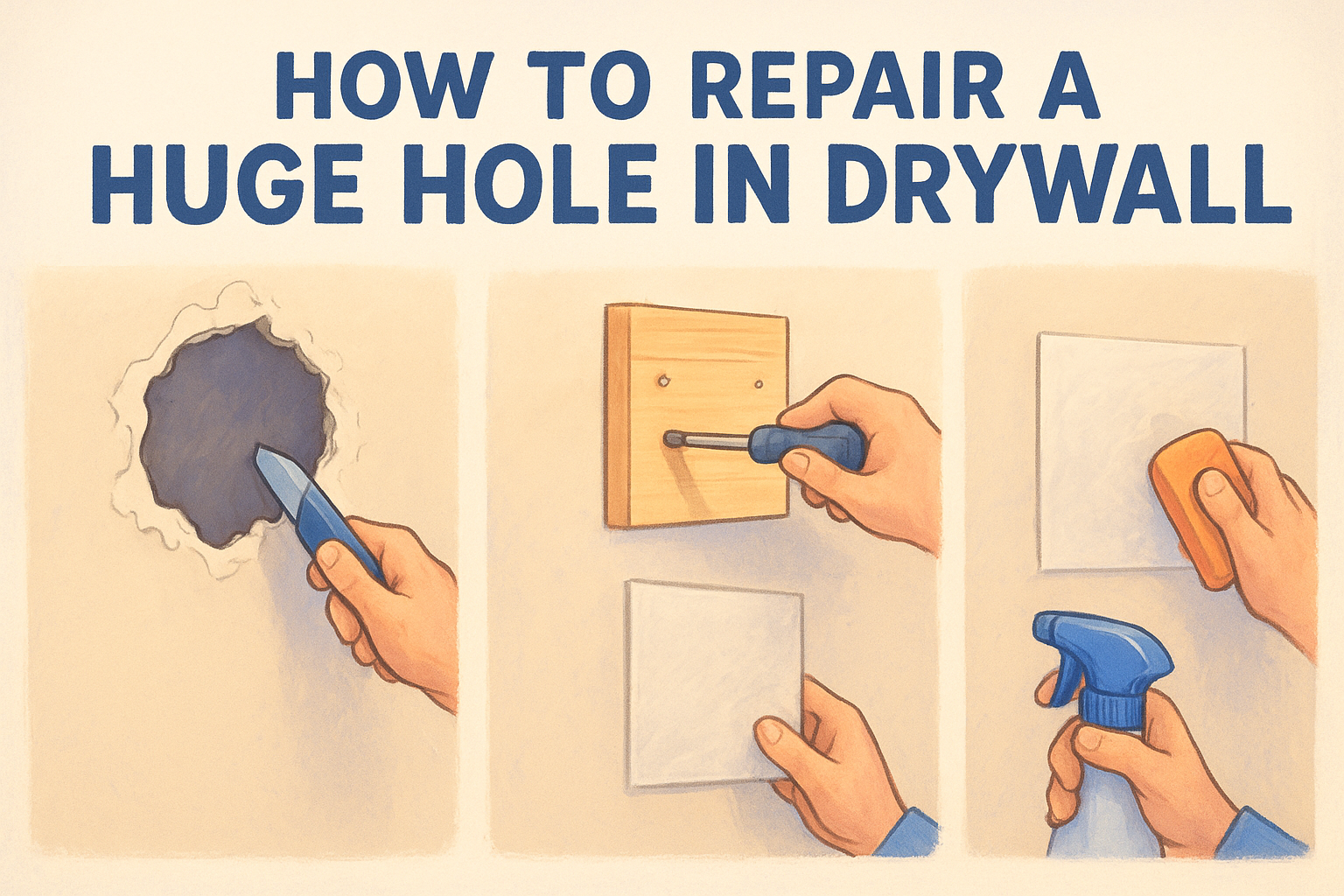
Fill every hole, gouge, and screw pop with a setting-type compound like Durabond 45 rather than regular all-purpose compound. Setting compound hardens through a chemical reaction, so it won't shrink the way air-dry compound does. Apply it slightly proud of the surface and let it cure fully before sanding it flush.

Common surface problems to fix before skim coating:

  • Screw pops: Drive a new screw 2 inches above or below the pop, then fill both spots
  • Torn drywall paper: Seal with PVA primer, let dry, then skim over
  • Deep gouges: Fill with Durabond 45 in two passes if the gouge exceeds 1/4 inch deep

Getting a smooth ceiling after popcorn removal depends on this foundation work being done right before any skim coat goes up.

Step 2. Apply the skim coat in thin, even passes

Mix your all-purpose joint compound with water until it reaches the consistency of thick pancake batter. It should spread smoothly off your knife without clumping or dragging. Thin compound covers more evenly and dries with fewer ridges than compound applied straight from the bucket.

Mix and load your knife correctly

Pour compound into your mud pan and load your 10- to 12-inch knife with a consistent amount across the full blade. Too much compound on one end creates uneven pressure and leaves ridges. Before you touch the ceiling, scrape any excess off the back of the blade so you're working with a clean, even load on every pass.

Here's how to confirm your compound is mixed to the right consistency:

  • It ribbons off the knife slowly without dripping
  • The surface stays workable for at least 90 seconds before skinning over
  • It spreads without tearing the drywall surface underneath

The most common skim coat mistake is applying compound too thick. Thin passes shrink less, dry faster, and sand down in a fraction of the time.

Apply in overlapping strokes from one end to the other

Start at one corner and work in manageable 3- to 4-foot sections . Hold the knife at roughly a 30-degree angle to the ceiling and push the compound across with firm, consistent pressure. Overlap each stroke by about two inches so you don't leave gaps between passes.

Reaching a smooth ceiling after popcorn removal takes two to three thin coats rather than one thick application. Let each coat dry completely, typically four to six hours , before adding the next.

Step 3. Sand, spot-fill, and re-skim until smooth

Once your first skim coat dries completely, resist the urge to apply the next coat immediately. Sanding between coats levels high spots before they compound into bigger problems, and it's what separates a truly smooth ceiling after popcorn removal from one that just looks passable under dim lighting.

Sand between every coat

Start with 120-grit sanding screens on your pole sander and work in overlapping strokes across the entire ceiling. You're not trying to remove the compound; you're knocking down ridges and knife lines left by the previous pass. Keep consistent, even pressure across the pole so you don't dig into softer spots in the dried compound.

After sanding, wipe the ceiling down with a dry microfiber cloth to remove all dust before applying the next coat. Dust sitting on the surface prevents the new layer from bonding correctly and creates texture you didn't intend.

Sand until the surface feels uniformly flat under your palm before adding any additional coat.

Spot-fill and re-skim problem areas

After the second coat dries, bring your work light back to the same raking angle you used during the initial inspection. Any remaining low spots, pinholes, or ridges will show clearly under that sharp, angled light. Fill those areas with a thin spot application of all-purpose compound using your 6-inch knife, feathering the edges out at least six inches in every direction so you don't create a visible hump.

Apply your final skim coat over the entire ceiling once your spot fills are dry and sanded flush. This third pass ties everything together and produces the flat, consistent surface you need before priming and painting.

Step 4. Prime and paint for a flawless finish

Skipping primer after skim coating is one of the most common mistakes homeowners make, and it shows immediately when paint goes on. Raw joint compound is extremely porous and will absorb paint unevenly, creating dull, flat patches next to shinier areas on the same ceiling. This effect is called flashing, and no amount of extra paint coats will correct it once it appears.

Prime the skim-coated surface first

Apply a PVA drywall primer using a 3/4-inch nap roller, working in consistent overlapping passes across the entire ceiling. PVA primer seals the compound, evens out surface porosity, and gives your topcoat a uniform base to bond to . Let it dry fully, typically two hours, before picking up a paint roller.

Applying paint directly over unprimed joint compound guarantees uneven sheen. One coat of PVA primer prevents this entirely.

Apply paint in two coats for full coverage

Your first paint coat will likely look uneven as it dries, and that's completely normal. Do not apply a thick second coat before the first one dries completely, since a wet-on-wet application leads to drips, roller marks , and surface texture you don't want on a ceiling you worked hard to flatten.

Use a flat or matte ceiling paint for the final finish on a smooth ceiling after popcorn removal, since flat sheens hide minor surface variations far better than eggshell or satin finishes do. Roll your second coat perpendicular to the first to eliminate roller lines and produce a clean, consistent result across the entire surface.

Ready for a smooth ceiling

Getting a smooth ceiling after popcorn removal is entirely achievable if you work through each step in the right order. Prep the surface thoroughly , fix the damage underneath, apply thin skim coats, sand between every pass, and prime before you paint. Skip any one of those steps and the result shows clearly in the finished ceiling.

The full process takes time and some practice, but the payoff is a ceiling that looks genuinely finished rather than hastily patched. Most homeowners underestimate how many coats and how much sanding the job actually requires, so plan for two to three days of actual work rather than a single afternoon.

If you'd rather hand the job to someone with over 30 years of experience , Super Shooters handles the entire process from start to finish across the Sacramento Valley. Contact us to schedule a free in-home estimate and see what professional popcorn ceiling removal looks like when it's done right.

Recent Posts

By cinchweb June 25, 2026
Learn how to tell if wall cracks are serious with our checklist. Identify structural risks, monitor growth, and know when to call a professional for repairs.
By cinchweb June 22, 2026
Learn how long does drywall repair take for projects of any size. We break down timelines by patch size, material choice, and drying steps for your home.
By cinchweb June 20, 2026
Learn how long does drywall patch take to dry before you paint. We cover drying times for various compounds and expert tips to finish your repair faster.
By cinchweb June 19, 2026
Spot leaks before they spread. Learn how to tell if drywall has water damage by identifying signs like mold, stains, and sagging to protect your home.
By cinchweb June 18, 2026
Estimate your 2026 project budget. Learn the garage drywall installation cost per square foot for labor, materials, and fire-rated panel options.
By cinchweb June 18, 2026
Find the 2026 popcorn ceiling replacement cost per square foot. See Sacramento labor rates, asbestos abatement fees, and pricing for premium finishes.
By cinchweb June 16, 2026
Compare 9 options for a wall crack repair service near me. Learn to spot structural damage and what questions to ask before you hire a professional.
By cinchweb June 15, 2026
Stop recurring damage. Learn how to prevent ceiling cracks by addressing framing stress, using reinforced patching, and controlling indoor humidity.
By cinchweb June 14, 2026
Learn how to repair walls after wallpaper removal. Follow these steps to clean adhesive, seal torn paper, and skim coat for a professional finish.
Show More