June 4, 2026
5 Types Of Drywall Texture Finishes (With Pros & Cons)
Choosing between different types of drywall texture finishes can feel overwhelming when you're staring at bare walls or planning to replace that dated popcorn ceiling. Each texture creates a completely different look and feel in a room, and some are far more practical than others depending on your home's style, lighting, and maintenance needs .
At Super Shooters, we've applied thousands of texture finishes across the Sacramento Valley over the past 30+ years of drywall and ceiling work . We've seen firsthand which textures hold up, which ones homeowners regret, and which styles keep gaining popularity. That hands-on experience shapes everything in this guide .
Below, we break down five common drywall texture finishes, what they look like, how they're applied, and the real pros and cons of each. Whether you're trying to identify an existing texture or pick the right one for an upcoming project , this list will help you make a confident decision.
1. Popcorn or acoustic texture
Popcorn texture is one of the most recognizable of all types of drywall texture finishes , and also one of the most debated. Homeowners either want it gone immediately or they've simply stopped noticing it after years of living with it.
What it looks like and where you usually see it
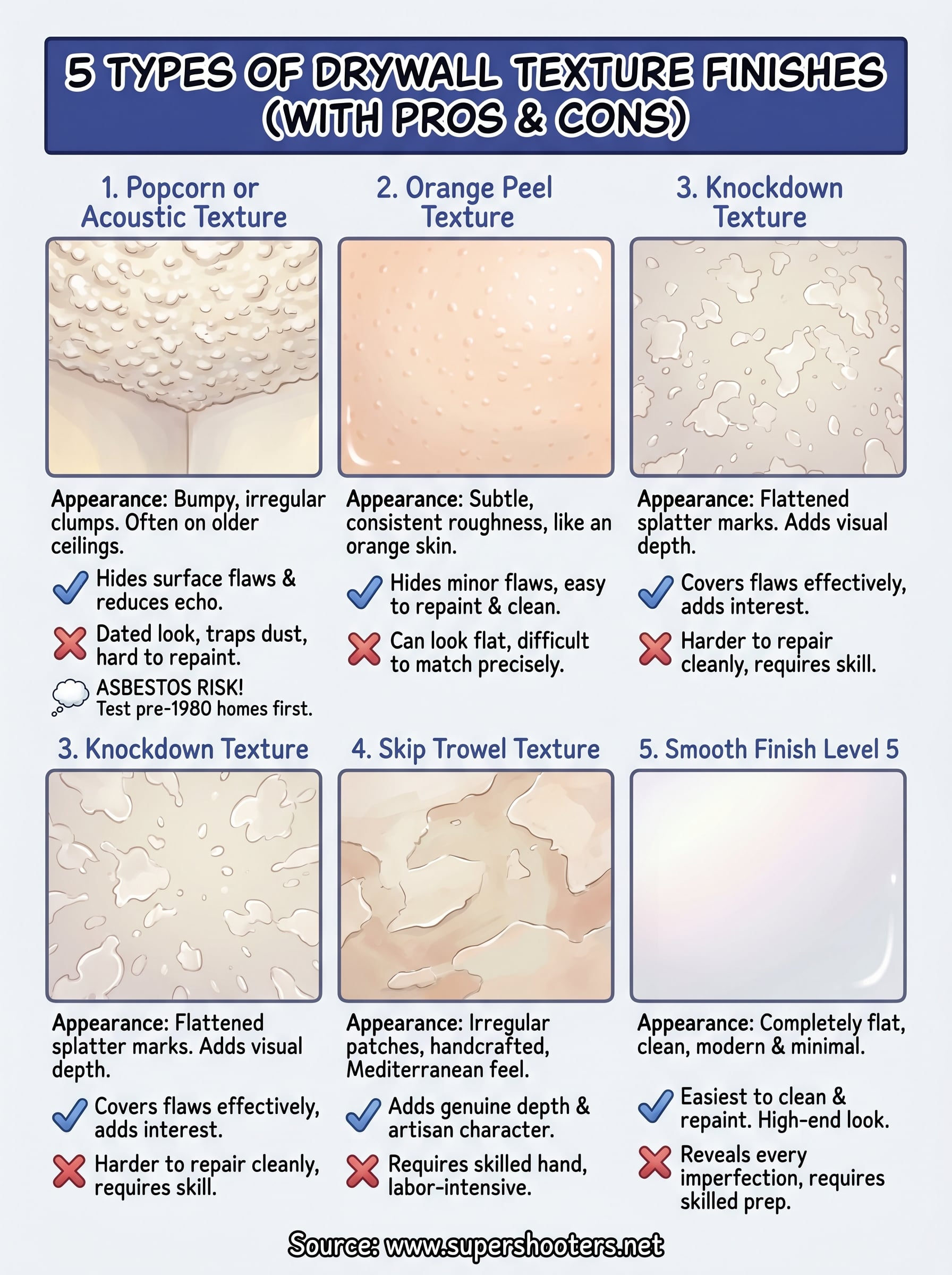
Popcorn texture has a bumpy, cottage cheese-like surface with small irregular clumps across the finish. You'll find it almost exclusively on ceilings in homes built between the 1950s and 1990s , rarely on walls.
Why builders used it so often
Builders chose popcorn texture because it hid drywall imperfections without skilled finishing work, cutting labor costs on large ceiling areas. It also absorbed sound , which is why contractors and homeowners called it acoustic ceiling texture.
Pros
- Hides surface flaws without extensive prep work
- Reduces echo and ambient noise in large rooms
- Applies quickly over wide ceiling areas
Cons
- Looks dated in most modern interiors
- Traps dust and is difficult to clean
- Hard to repaint without flaking or clumping
Asbestos risk in older homes and what to do first
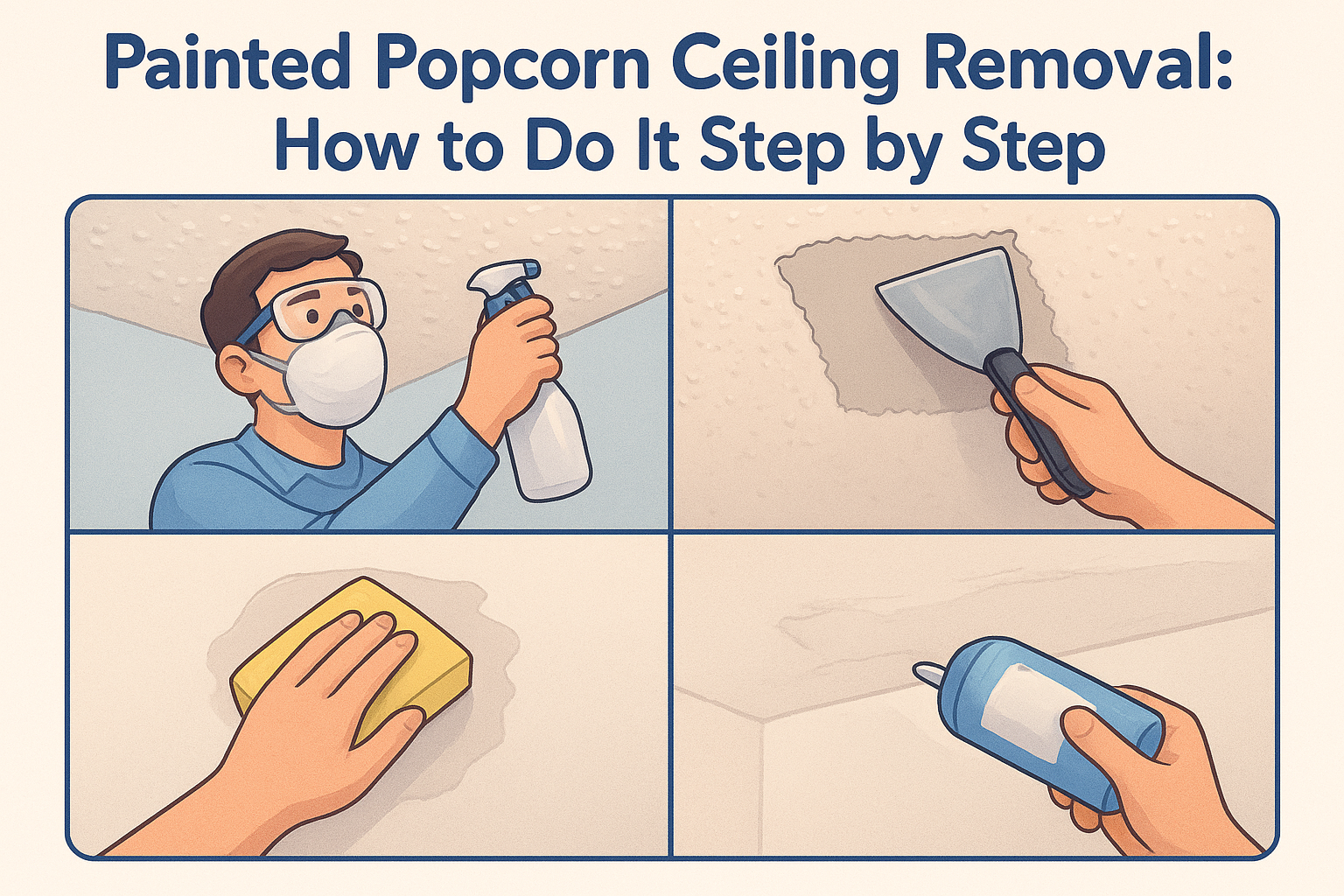
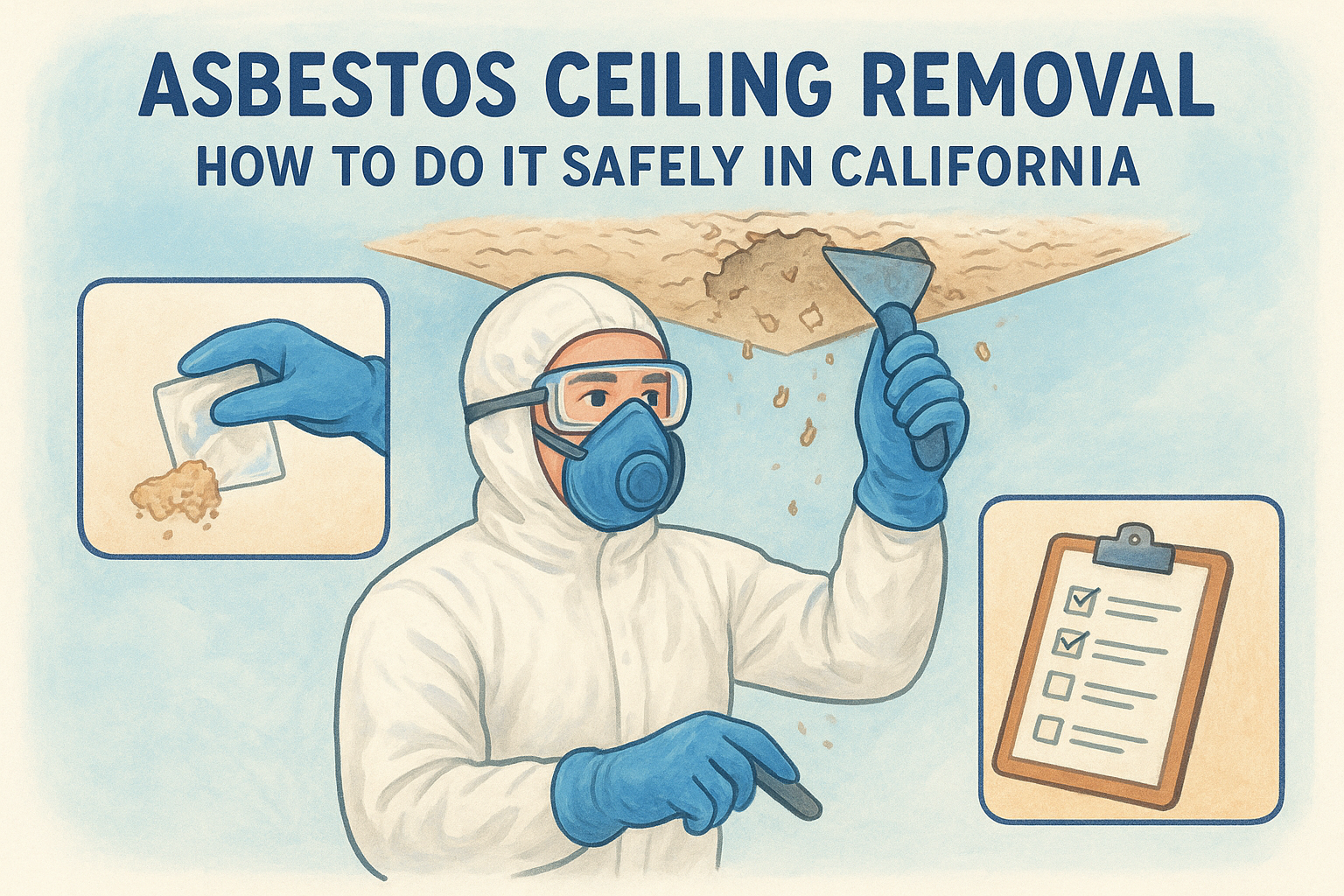
If your home was built before 1980 , the popcorn texture may contain asbestos, which manufacturers commonly added for fire resistance. You should get a professional sample test completed before any removal work begins , not after.
Never scrape or disturb a popcorn ceiling in a pre-1980 home without a confirmed asbestos test from a certified lab first.
Removal vs covering: what to consider
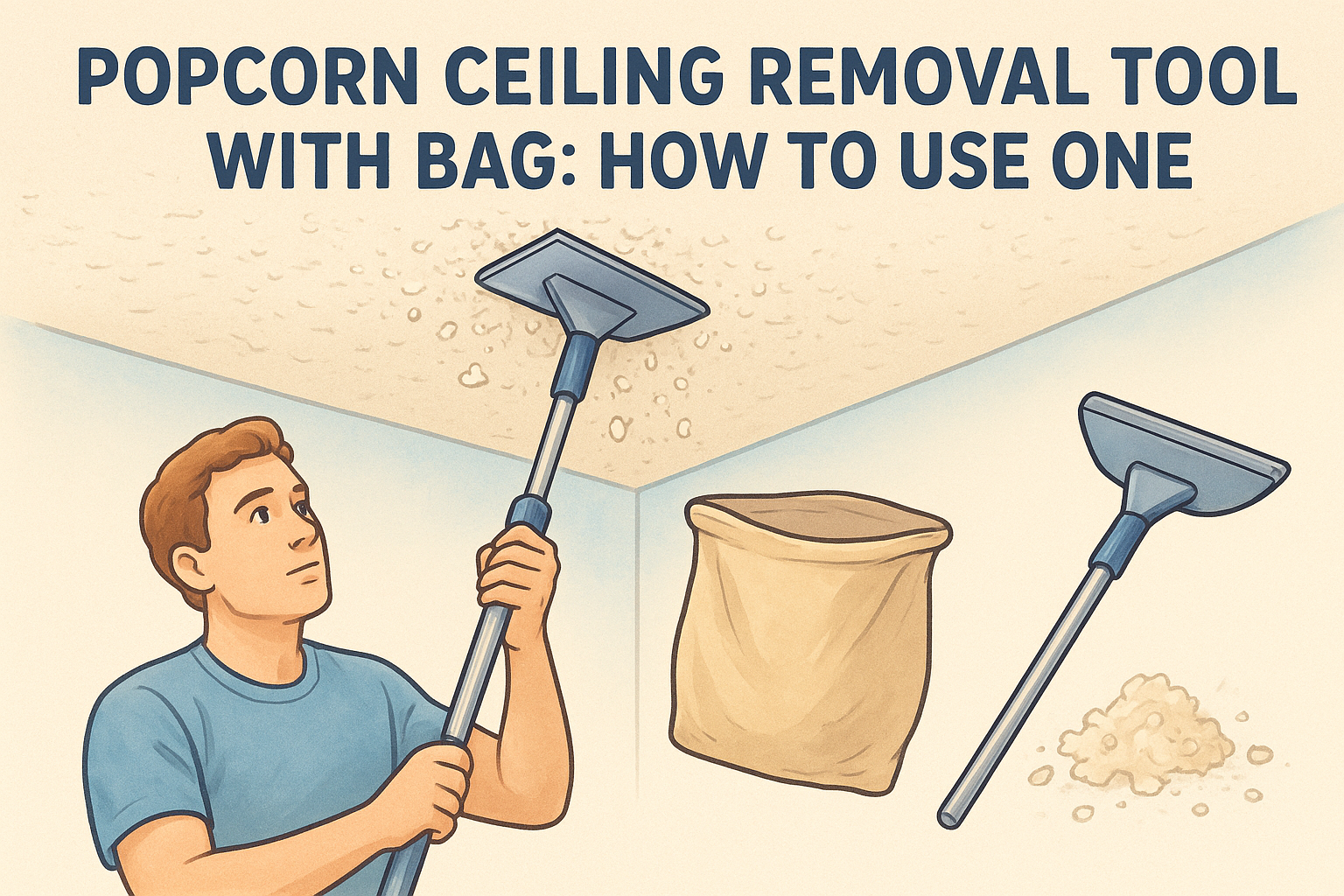
You can either remove the texture entirely or cover it with a fresh drywall layer or new finish. Removal works best when the ceiling substrate underneath is solid , giving you a clean surface to re-texture or paint.
Typical cost range per square foot
Standard popcorn removal without asbestos typically runs $1 to $2 per square foot . Asbestos abatement raises that cost significantly and legally requires licensed abatement contractors to handle the material safely.
Repair and touch-up difficulty
Matching existing popcorn texture is genuinely difficult because spray density and clump size vary across products and application techniques. Small patches almost always look noticeably different, which makes full ceiling re-texturing the more practical solution in most cases.
2. Orange peel texture
Orange peel is one of the most common types of drywall texture finishes you'll find in homes built from the 1980s onward. It sits between a fully smooth wall and a heavily textured surface, making it a practical choice for many homeowners.
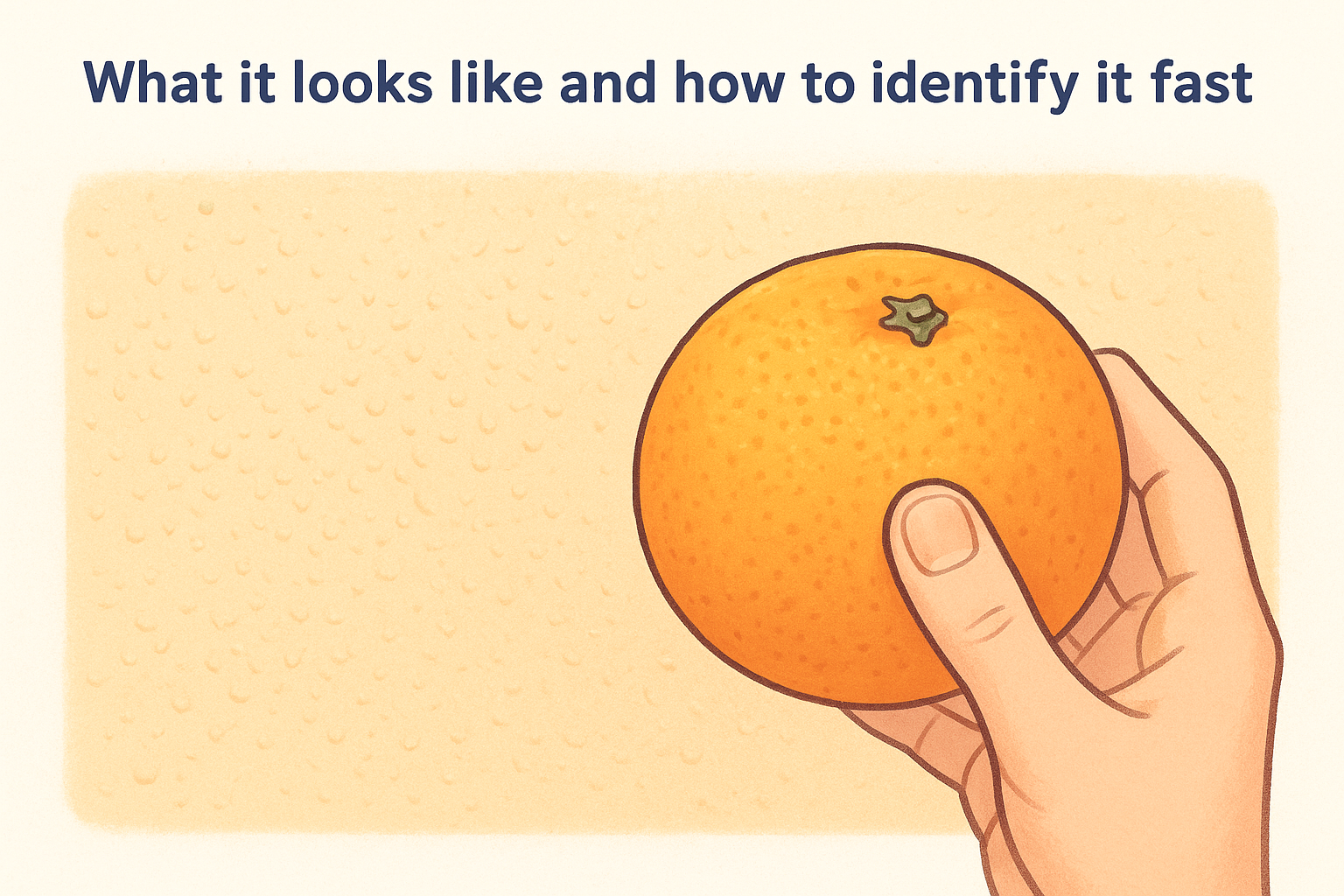
What it looks like and how to identify it fast
The finish resembles the outer skin of an orange , with small, shallow bumps scattered evenly across the surface. Run your hand along the wall and you'll feel a subtle, consistent roughness with no sharp ridges or flat patches mixed in.
Where it works best
Orange peel works well in living rooms, hallways, and bedrooms where you want some texture without it drawing too much attention. It fits both new construction and remodels across a wide range of home styles and budgets.
Pros
- Hides minor drywall imperfections without heavy prep work
- Easier to repaint than knockdown or popcorn textures
- Durable and low maintenance over the life of the wall
Cons
- Can look flat in high-end or custom interiors
- Difficult to match precisely when you need localized repairs
Even a small mismatched patch on an orange peel wall stands out under direct or raking light.
How pros apply it
Contractors spray orange peel using a hopper gun or compressor-fed sprayer , adjusting air pressure and material consistency to control droplet size and coverage density.
Typical cost range per square foot
Expect to pay $1 to $1.50 per square foot for a standard orange peel application on walls and ceilings.
Repair and repaint notes
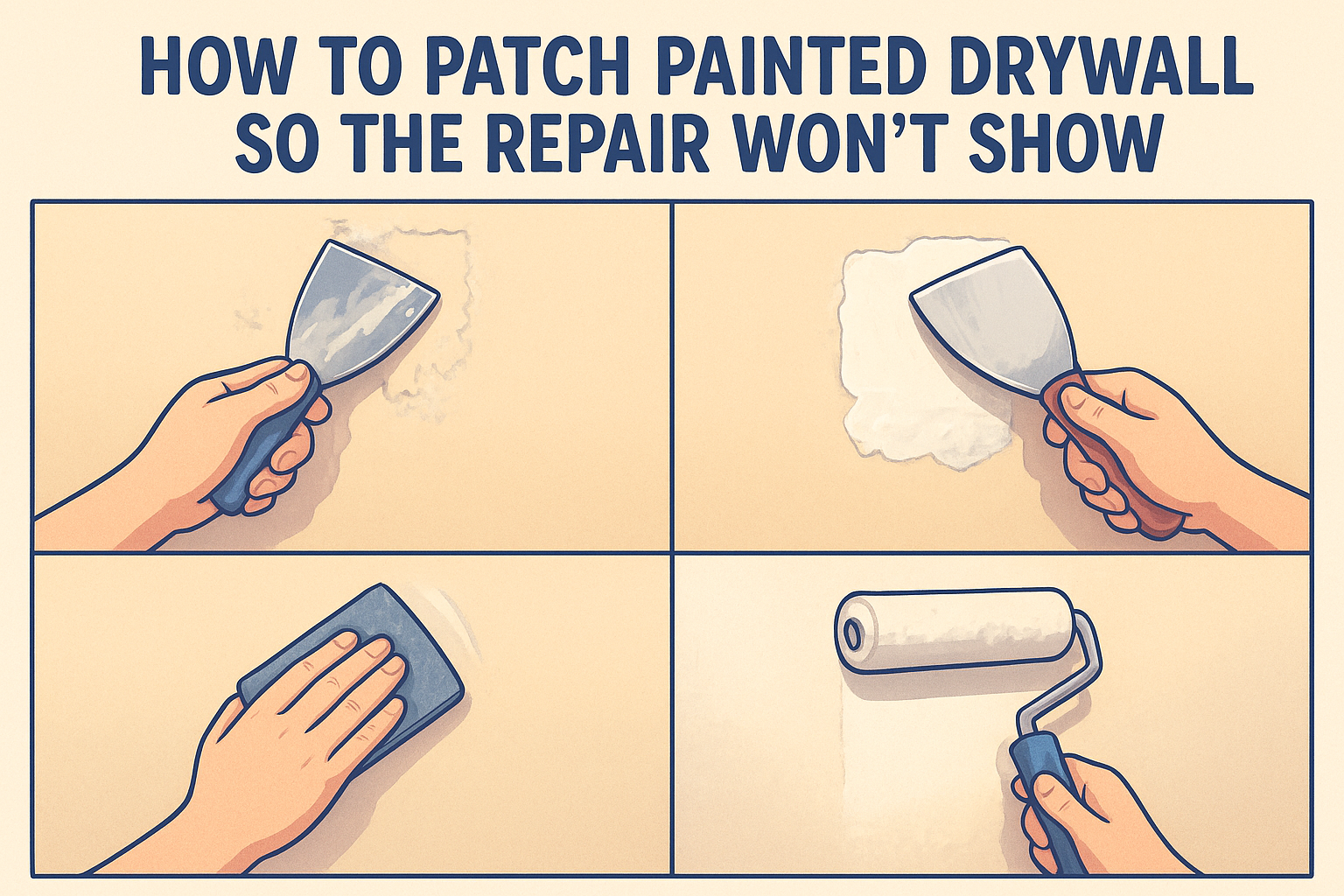
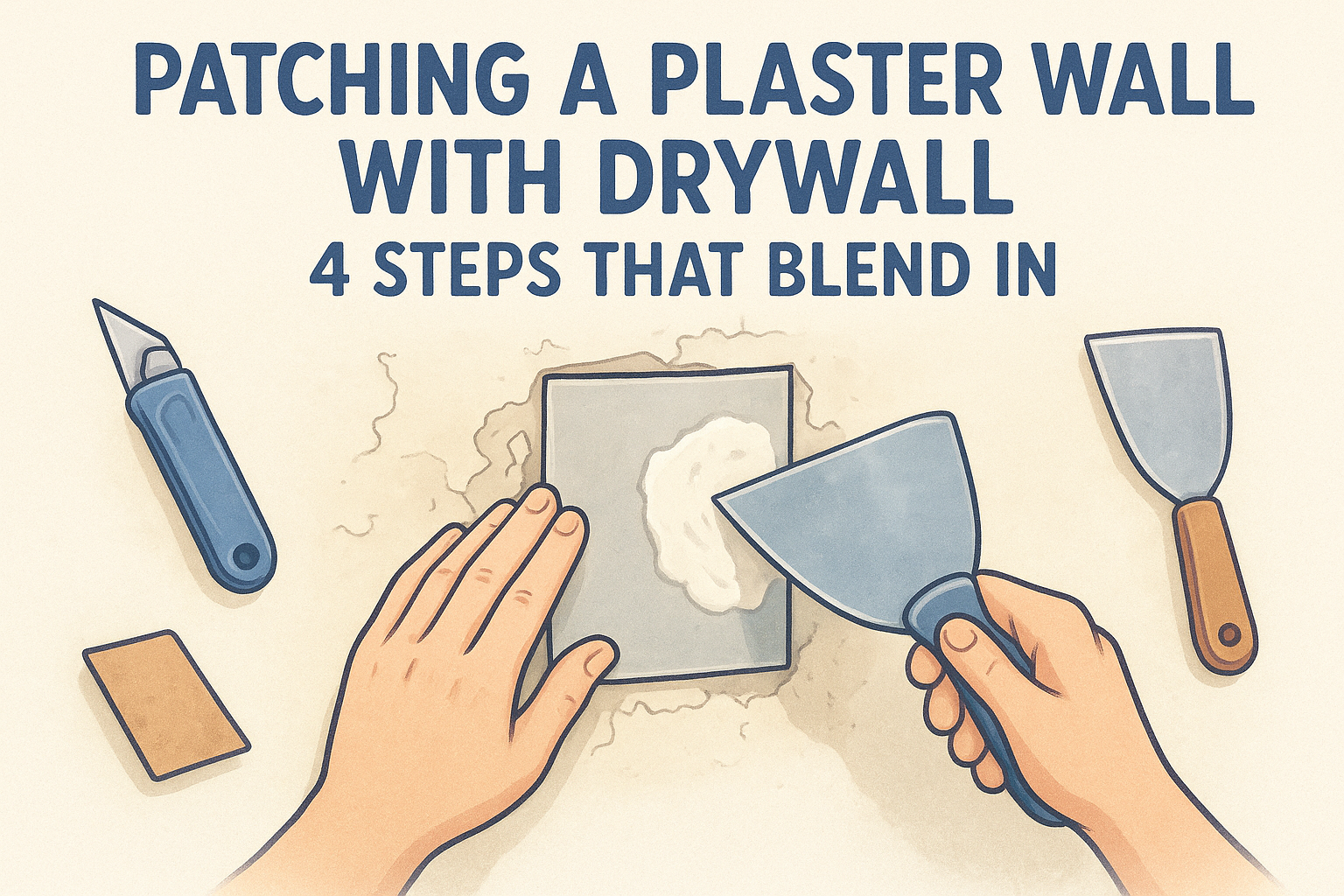
Repainting orange peel is straightforward with a thick-nap roller that reaches into the surface detail. For patching, pros feather the edges carefully and prime the repair area before painting to blend it with the surrounding texture.
3. Knockdown texture
Knockdown texture is one of the more versatile types of drywall texture finishes , sitting between the subtle bump of orange peel and the heavier hand of skip trowel. It adds real visual depth without making a room feel too rustic or busy.
What it looks like and how it differs from orange peel
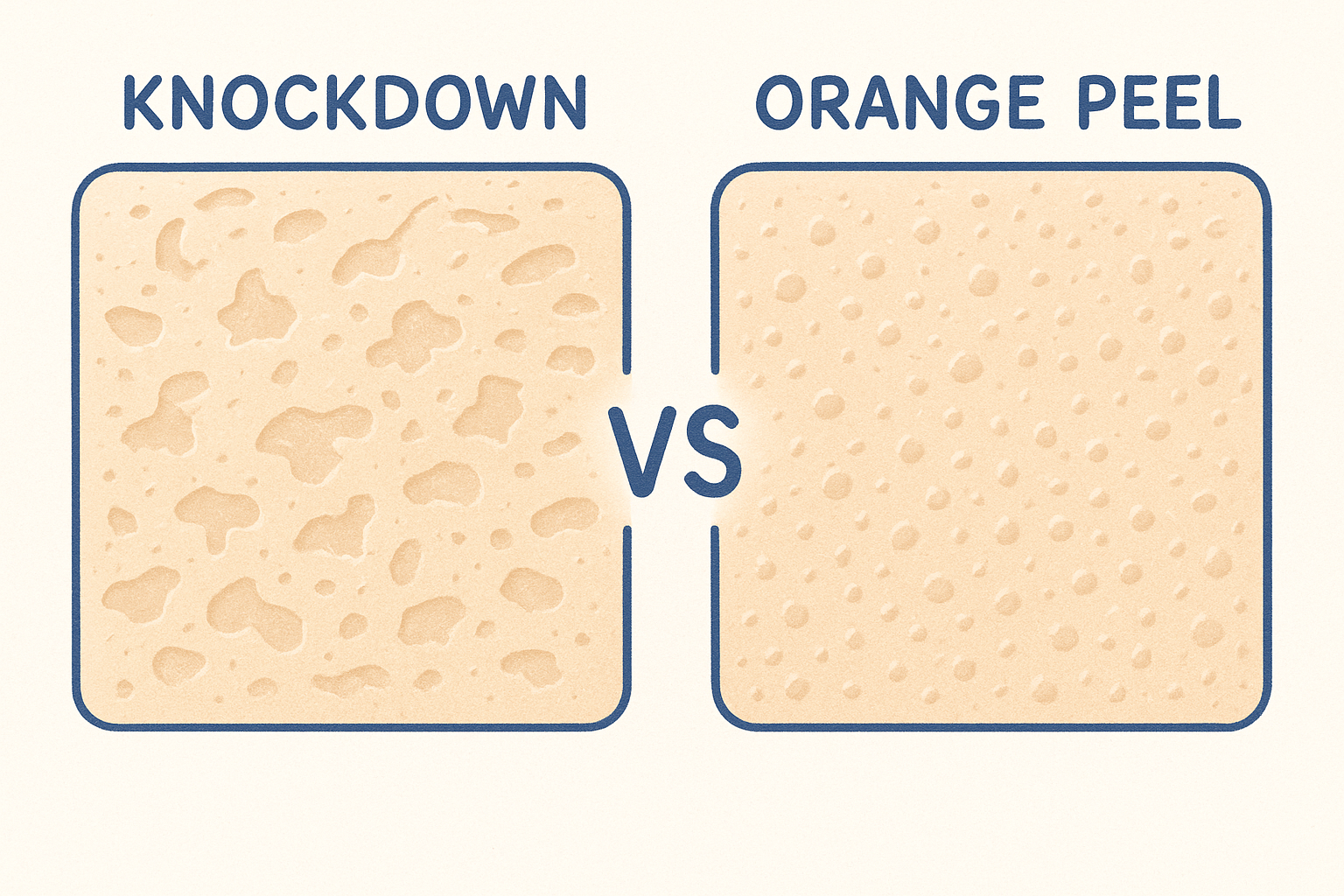
Knockdown has flat, irregular splatter marks pressed down at the peaks, leaving a mottled pattern across the surface. Unlike the rounded, consistent bumps of orange peel , knockdown features wider, flatter shapes with visible edges and varying sizes spread unevenly across the wall.
Best rooms and surfaces for knockdown
Knockdown suits living rooms, dining areas, and master bedrooms where you want texture that reads as deliberate rather than builder-grade. It works on both walls and ceilings and pairs well with transitional and contemporary interiors.
Pros
- Covers drywall flaws and tape seams effectively
- Adds visual interest without looking heavy
- Common in mid-range to higher-end Sacramento homes
Cons
- Harder to repair cleanly than orange peel
- Requires a skilled applicator to keep pattern size consistent
How pros apply it and why timing matters
Contractors spray a joint compound mixture onto the surface, then use a knockdown knife to flatten the peaks at precisely the right moment. Timing is everything because compound that is too wet smears, while compound that is too dry chips instead of flattening cleanly.
Attempting knockdown as a DIY project almost always results in an uneven pattern that stands out under natural light.
Typical cost range per square foot
Knockdown typically costs $1.25 to $2 per square foot , depending on surface area and application complexity.
Repair and blending tips
Matching knockdown requires replicating the original splatter density and flattening pressure on the patch. Pros always feather patch edges and prime before painting to keep the repair invisible under different lighting angles.
4. Skip trowel texture
Skip trowel is one of the most visually distinctive types of drywall texture finishes , and it carries a handcrafted quality that spray-applied textures simply cannot replicate. Each application is unique to the person applying it , which gives walls a character that homeowners in higher-end renovations actively seek out.
What it looks like and the style it fits
Skip trowel features thin, irregular patches of joint compound applied manually with a curved trowel, leaving gaps of smooth or bare drywall between the raised areas. The result is a Mediterranean or Tuscan-influenced look that works naturally in craftsman, Spanish colonial, and upscale transitional interiors.
Where it works best
Skip trowel performs well on accent walls, living rooms, and dining areas where texture becomes part of the design rather than a background detail. It suits higher ceilings and larger wall expanses where the pattern has room to breathe visually.
Pros
- Adds genuine depth and artisan character to interior walls
- Covers surface imperfections effectively with its varied coverage
Cons
- Requires a skilled hand to keep the pattern balanced across large areas
- More labor-intensive than spray textures, which increases project cost
How pros apply it and what can go wrong
Applicators load a curved pool trowel with thinned joint compound and drag it lightly across the surface at a low angle. If the compound is too thick or applied too slowly , it builds up unevenly and the pattern loses its natural randomness.
A mismatched skip trowel repair stands out more than almost any other texture type because the handmade pattern is impossible to replicate exactly.
Typical cost range per square foot
Skip trowel typically runs $1.50 to $2.50 per square foot , reflecting the additional skill and time the manual application requires compared to spray finishes.
Repair and repaint notes
Blending a patch into existing skip trowel demands that the applicator match the original trowel pressure and compound thickness as closely as possible. You should always prime the repaired area fully before painting, since bare compound absorbs paint differently and causes sheen inconsistencies under natural light.
5. Smooth finish level 5
A smooth finish, known in the drywall trade as a level 5 finish , sits at the top of the finish quality scale. Unlike every other entry on this list of types of drywall texture finishes , it adds no texture at all, instead delivering a completely flat, paint-ready surface with no visible imperfections.
What it looks like and why it feels modern
Level 5 walls look clean, minimal, and intentional , which is why you see them in contemporary, modern, and high-end custom homes. The surface catches light evenly across the entire wall plane without shadows or bumps breaking the visual flow.
When smooth walls make sense and when they do not
Smooth finishes suit new construction with well-built framing and tight drywall installation , but they expose every flaw in older homes with settling or uneven substrate. If your walls already show significant movement or imperfections , a textured option will serve you better.
Pros
- Easiest surface to clean and repaint over time
- Gives rooms a sharp, high-end appearance
Cons
- Reveals every imperfection under raking or direct light
- Requires more prep work and skilled finishing to achieve correctly
How pros achieve a true level 5 finish
Professionals apply a skim coat of joint compound over the entire primed surface and sand it flat before adding a high-build primer. Multiple thin passes produce a more consistent result than a single heavy application.
Typical cost range per square foot
Level 5 finishing typically runs $1.50 to $3 per square foot , reflecting the additional labor and material required to achieve a truly flat surface.
Lighting, paint sheen, and flaw visibility
Flat or matte paint sheens hide minor surface variations better than satin or semi-gloss on smooth walls. Sidelighting from windows or recessed fixtures will highlight any small irregularities, so proper lighting placement matters as much as the finish quality itself.
If you plan to use a gloss or semi-gloss paint on smooth walls, invest in a true level 5 finish or the surface imperfections will show clearly under any direct light source.
Next Steps
Now that you've reviewed the five main types of drywall texture finishes , you have a solid basis for deciding which finish suits your home and goals. Whether you're replacing dated popcorn ceilings, upgrading to a smooth level 5 finish, or simply patching a damaged wall, choosing the right texture from the start saves you time and money down the road.
The biggest mistakes homeowners make come from underestimating surface prep , skipping the asbestos test on older ceilings, and attempting DIY repairs that end up looking worse under natural light. Working with an experienced contractor gives you a finish that blends correctly and holds up over time without the frustration of mismatched patches.
If you're ready to move forward with a project in the Sacramento Valley, schedule a free estimate with Super Shooters for professional drywall repair and patching and get a firm price with no upfront payment required.