Share this article

June 30, 2026

What To Do After Removing Wallpaper: Clean, Repair, Prime

You pulled down the last strip of wallpaper, and now you're staring at a wall that looks worse than when you started. Adhesive residue, torn drywall paper, gouges, and uneven surfaces, that's the reality of what to do after removing wallpaper . The removal itself is only half the job. What happens next determines whether your fresh coat of paint looks smooth or highlights every flaw underneath.

At Super Shooters, we've repaired and refinished thousands of walls across the Sacramento Valley over the past 30 years, many of them right after wallpaper removal. We know exactly what homeowners run into at this stage: sticky residue that won't budge, damaged drywall facing , and confusion about which primer to use. It's fixable, but the steps matter.

This guide walks you through the full process, cleaning off leftover adhesive, repairing wall damage, and priming properly , so your walls are ready for paint or whatever finish you choose next.

What to check before you start

Before you grab a sponge or a tub of joint compound, spend ten minutes assessing the wall . Rushing into the next step without a clear picture of what you're dealing with is how you end up repainting a wall that still has problems underneath. Take a full look at the surface in good lighting, ideally with a work light held at a low angle to the wall so the shadows reveal bumps, divots, and torn areas you'd otherwise miss.

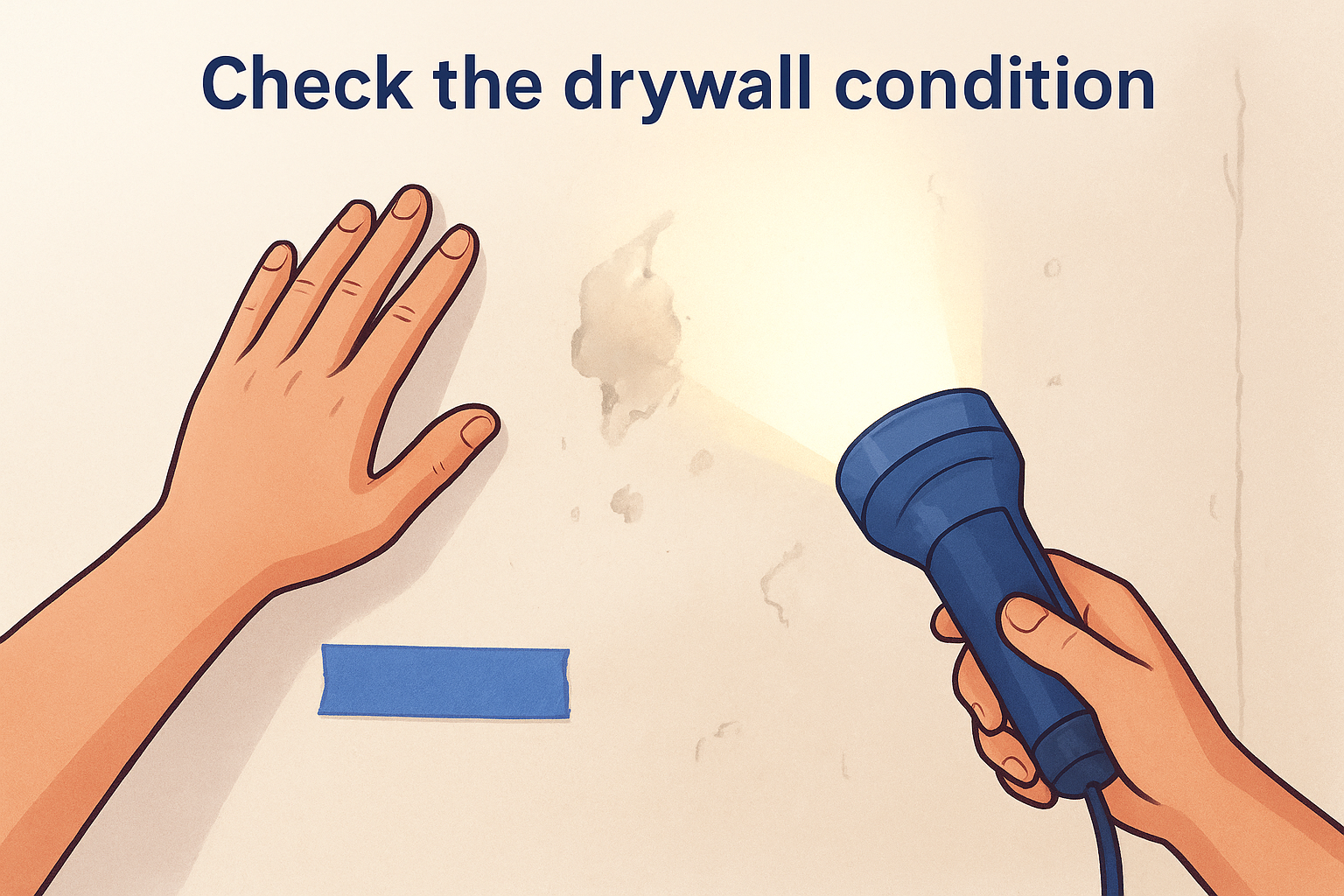
Check the drywall condition

Wallpaper often bonds tightly to the paper facing of drywall. When you pull the strips off, that facing can tear away with it, leaving soft, fuzzy, or raw gypsum exposed . Run your hand across the wall and look for areas where the surface feels rough or looks noticeably different from the surrounding sections. These spots are fragile and will absorb paint unevenly if you don't treat them before priming.

Torn drywall facing is one of the most common reasons walls look rough after painting over a previously wallpapered surface.

You also want to check for loose joint tape at seams , nail pops, and any holes or gouges left by anchors or old repairs that were hidden behind the wallpaper. Use blue painter's tape to flag every problem area so nothing gets skipped when you move into the repair stage.

Check for moisture and mold

Wallpaper can trap moisture against a wall for years without anyone knowing. Once the paper comes down, look closely for dark staining, soft drywall, or a musty smell . If you find any of these, address the moisture source before you do anything else. Painting over a damp or compromised wall causes the finish to peel within months regardless of how well you prep the surface.

If you spot black or green spotting, stop and test for mold before moving forward. Small surface patches may be cleanable, but larger affected areas typically require proper remediation. Skipping this check is one of the biggest mistakes homeowners make when figuring out what to do after removing wallpaper, and it turns a simple repaint into a far more involved repair project.

Step 1. Remove glue and wash the walls

Leftover wallpaper adhesive is invisible when dry but turns paint into a streaky, peeling disaster if you skip this step. Even walls that look clean to the naked eye often have a thin layer of dried glue that seals unevenly and prevents primer from bonding properly. Washing the walls is not optional. It is the foundation for everything that comes after.

Mix your cleaning solution

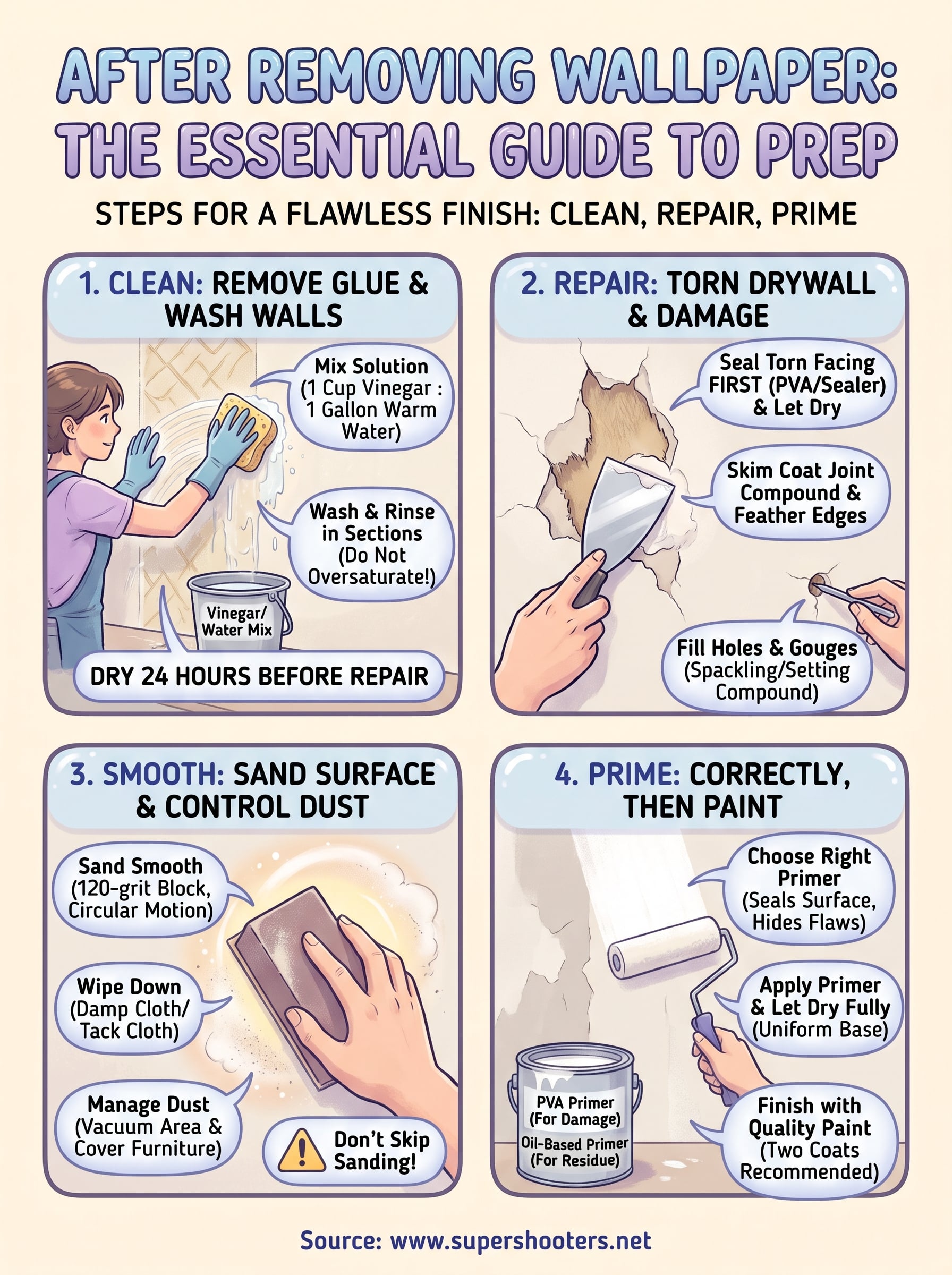
You do not need specialty products for this step. Mix one cup of white vinegar with one gallon of warm water for a basic glue-cutting solution, or use a dedicated wallpaper adhesive remover if the residue is thick. Both work. Apply the solution with a large sponge and let it sit on the surface for two to three minutes before scrubbing, which gives the liquid time to soften the adhesive rather than just spreading it around.

Do not oversaturate the wall. Too much water soaks into the drywall and creates new damage that adds time to your repair stage.

Wash and rinse in sections

Work in manageable three-foot sections from top to bottom so the solution does not dry before you wipe it off. Scrub each section with a sponge, then follow immediately with a clean sponge dampened with plain water to rinse the residue off. Change your rinse water frequently , because a dirty bucket just redistributes the glue across the surface. Once you finish the full wall, let it dry for at least 24 hours before moving to repairs. Rushing this wait time is one of the most common mistakes homeowners make when figuring out what to do after removing wallpaper.

Step 2. Repair torn drywall and other damage

Once the walls are clean and dry, you can see every problem clearly. Torn drywall facing, holes from old anchors, and gouges are all common after wallpaper removal, and each one needs attention before you prime. Paint does not hide wall damage; it reveals every flaw you left behind.

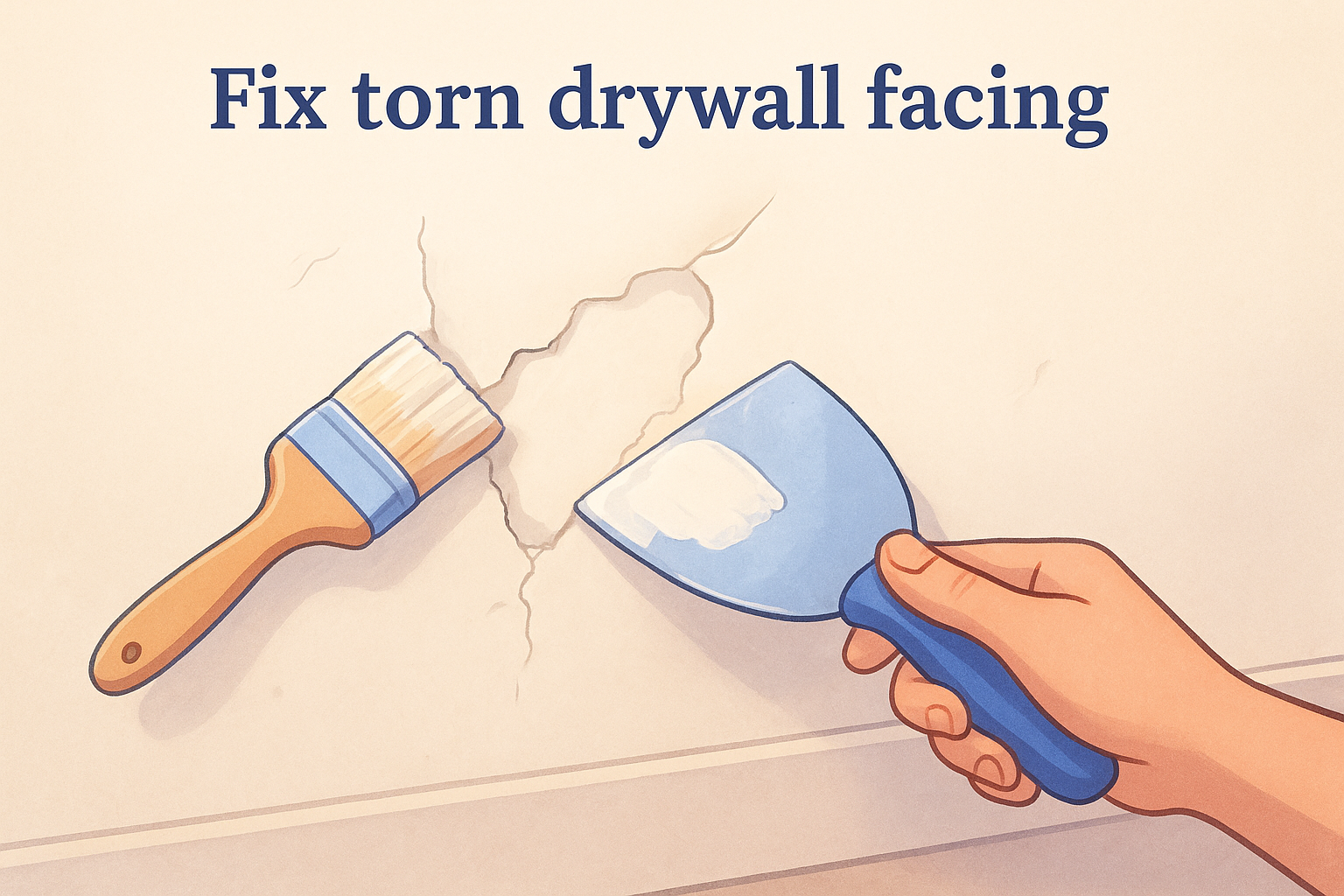
Fix torn drywall facing

Torn facing is the most fragile repair on this list. Apply a coat of drywall sealer or PVA primer directly to any raw or fuzzy gypsum areas and let it dry completely before you touch those spots with joint compound. This step hardens the exposed surface so your compound bonds instead of soaking in and crumbling.

Applying joint compound directly to unsealed raw gypsum almost always leads to cracking and flaking later.

After the sealer dries, skim a thin layer of all-purpose joint compound over the torn areas using a 6-inch drywall knife. Feather the edges outward so the repair blends into the surrounding wall. Let it dry fully before deciding whether a second coat is needed.

Fill holes and gouges

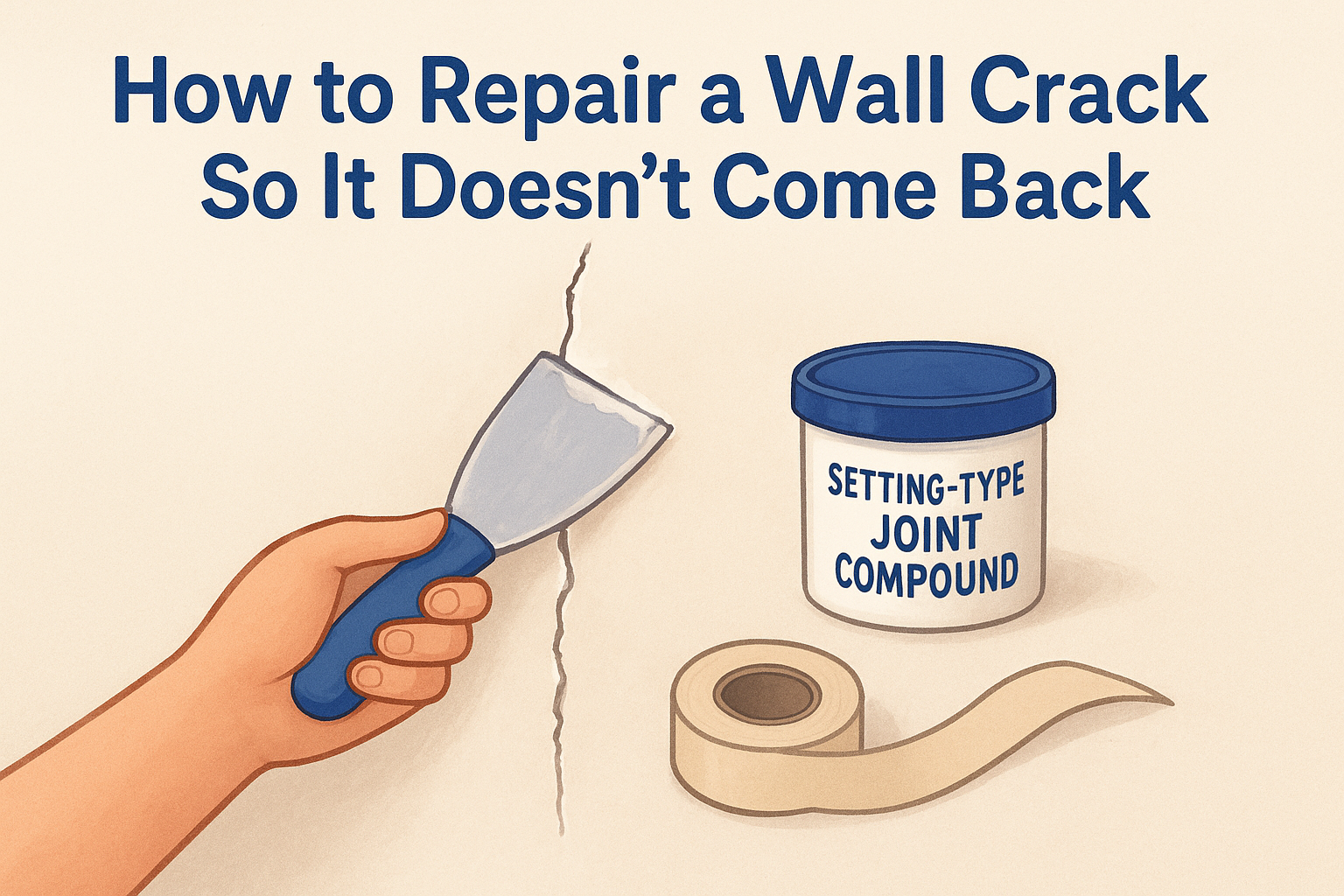
Small holes from nails or anchors are simple to address. Press lightweight spackling compound into each hole with a putty knife, overfill it slightly, and let it dry before sanding flush. For larger gouges or areas deeper than a quarter inch, reach for setting-type joint compound , which shrinks less than premixed versions and creates a more stable base.

Work through every spot you flagged during your assessment. Completing this step thoroughly is a core part of what to do after removing wallpaper before you move into smoothing and priming.

Step 3. Smooth the surface and control dust

Once your repairs are fully dry, sanding brings everything to a consistent level and reveals any spots that need a second pass. This step is where your wall goes from patched to genuinely flat , which is exactly what you need before primer goes on. Do not skip sanding, even on small repairs, because a slightly raised edge will show through the finished paint.

Sand the repairs smooth

Start with 120-grit sandpaper on a sanding block, not a bare sheet in your hand. A block distributes pressure evenly and prevents you from digging low spots into the repairs. Work each patched area in circular motions , then switch to light straight strokes to blend the edges into the surrounding wall. Drag a straightedge or your open hand across the surface to feel for ridges or depressions you cannot see directly.

If a repair still feels raised after sanding with 120-grit, apply another thin skim coat, let it dry fully, and sand again rather than forcing it flat.

Wipe down and manage dust

Drywall dust is fine enough to float in the air for 30 to 40 minutes after sanding, and it settles on every surface in the room. Wipe the walls down with a lightly damp cloth or tack cloth after sanding to pick up the dust sitting on the surface. Work from top to bottom so you are not depositing dust on areas you already cleaned.

Knowing what to do after removing wallpaper also means managing your workspace. Vacuum the floor and cover nearby furniture before you move to priming, because dust stirred up during that phase will contaminate your primer coat and leave a rough finish.

Step 4. Prime correctly, then paint

Priming is not a step you can skip to save time, especially on a wall that just had wallpaper removed. The repairs you made in the previous steps have different porosity levels than the surrounding wall, and paint applied directly over those variations will look uneven, blotchy, and dull in certain lighting. The right primer seals everything to a uniform surface that accepts paint consistently.

Choose the right primer

Not every primer works equally well after wallpaper removal. Use a high-hide PVA drywall primer on walls that had significant facing damage or multiple repaired areas. PVA primer penetrates the surface, seals raw gypsum, and creates a consistent base across both repaired patches and undamaged sections. For walls in better condition, an oil-based primer handles any remaining adhesive residue that your cleaning pass may have missed without the risk of it bleeding through into the topcoat.

Latex primers applied over undetected residue can reactivate leftover glue and cause the topcoat to lift or bubble within weeks.

Apply primer and finish with paint

Roll primer onto the wall using a 3/8-inch nap roller for smooth surfaces, or a 1/2-inch nap if your walls have any texture. Cut in the edges with a brush first, then roll in overlapping W-shaped passes to avoid lap marks. Let the primer dry fully according to the label, typically one to two hours, before inspecting under a raking light. If any repaired areas still look different from the surrounding wall, apply a second coat of primer to those spots only before painting.

Understanding what to do after removing wallpaper comes down to this final step. Two coats of a quality interior paint in your chosen finish will hold up far longer over a properly primed surface than over one that was rushed.

Ready to Paint

Following every step in this guide is what separates a smooth, lasting finish from a wall that shows its problems through the first coat of paint. You now have a clean surface, properly repaired drywall, and a primed base that accepts paint evenly. That process, from washing off adhesive to sealing raw gypsum, is the complete answer to what to do after removing wallpaper. Take your time on each stage rather than compressing the work into a single weekend, because the drying time between steps is where the quality actually builds.

If the repairs uncovered more damage than you expected, or if your drywall facing is extensively torn across a large area, professional repair will get you a better result faster than working through it alone. Super Shooters has handled exactly this kind of work for homeowners across the Sacramento Valley for over 30 years. Contact us to learn more about our drywall repair and patching services.

Recent Posts

By cinchweb June 30, 2026
Master drywall installation for beginners with our guide. Learn how to hang panels, tape seams, and apply a smooth finish for professional-looking walls.
By cinchweb June 29, 2026
Master drywall repair after wallpaper removal with our guide. Learn how to seal torn paper, patch gouges, and skim coat your walls for a professional finish.
By cinchweb June 28, 2026
Hang sheetrock like a pro with these 7 drywall installation tips. Learn how to handle framing, layout, and fastening for a smooth, crack-free finish.
By cinchweb June 26, 2026
Compare drywall vs plywood for garage walls to find the best fit for your home. Learn about California fire codes, workshop durability, and 2026 costs.
By cinchweb June 26, 2026
Find the best drywall contractors roseville ca for 2026. Compare 10 local experts for repairs, texturing, and ceiling removal to hire with confidence.
By cinchweb June 25, 2026
Learn how to tell if wall cracks are serious with our checklist. Identify structural risks, monitor growth, and know when to call a professional for repairs.
By cinchweb June 23, 2026
Learn how to get a smooth ceiling after popcorn removal. Our step-by-step guide covers skim coating, sanding, and priming for a professional, flat finish.
By cinchweb June 22, 2026
Learn how long does drywall repair take for projects of any size. We break down timelines by patch size, material choice, and drying steps for your home.
By cinchweb June 20, 2026
Learn how long does drywall patch take to dry before you paint. We cover drying times for various compounds and expert tips to finish your repair faster.
Show More