Share this article

May 7, 2026

How To Repair Water Damaged Drywall: Walls And Ceilings

A leaking pipe, a roof failure, or even a slow drip behind a wall, it doesn't take much for water to wreck your drywall. If you've noticed staining, bubbling, or soft spots on your walls or ceilings, you're probably wondering how to repair water damaged drywall before things get worse. The good news is that minor damage is often fixable with the right tools and a solid plan.

But here's what most guides skip over: not all water-damaged drywall can be saved. Some panels need to be cut out and replaced entirely, especially when the damage has been sitting for a while or mold has started to develop . Knowing the difference between a simple patch job and a full replacement is the first step toward doing this right, and avoiding costly mistakes down the road.

This guide walks you through the full process, from assessing the damage to finishing the repair so it blends with the rest of your wall or ceiling. We'll cover both walls and ceilings, since each comes with its own challenges. And if the job turns out to be bigger than expected, Super Shooters has repaired water-damaged drywall in thousands of Sacramento Valley homes over the past 30+ years, so we know exactly where DIY ends and professional help should begin .

Tools, materials, and prep checklist

Before you touch any drywall, gather everything you need upfront . Starting a repair without the right tools leads to extra trips to the hardware store mid-job, which drags out the timeline. Having your full kit ready also lets you work safely , especially when the damaged area may contain mold or compromised structural backing.

Tools you'll need

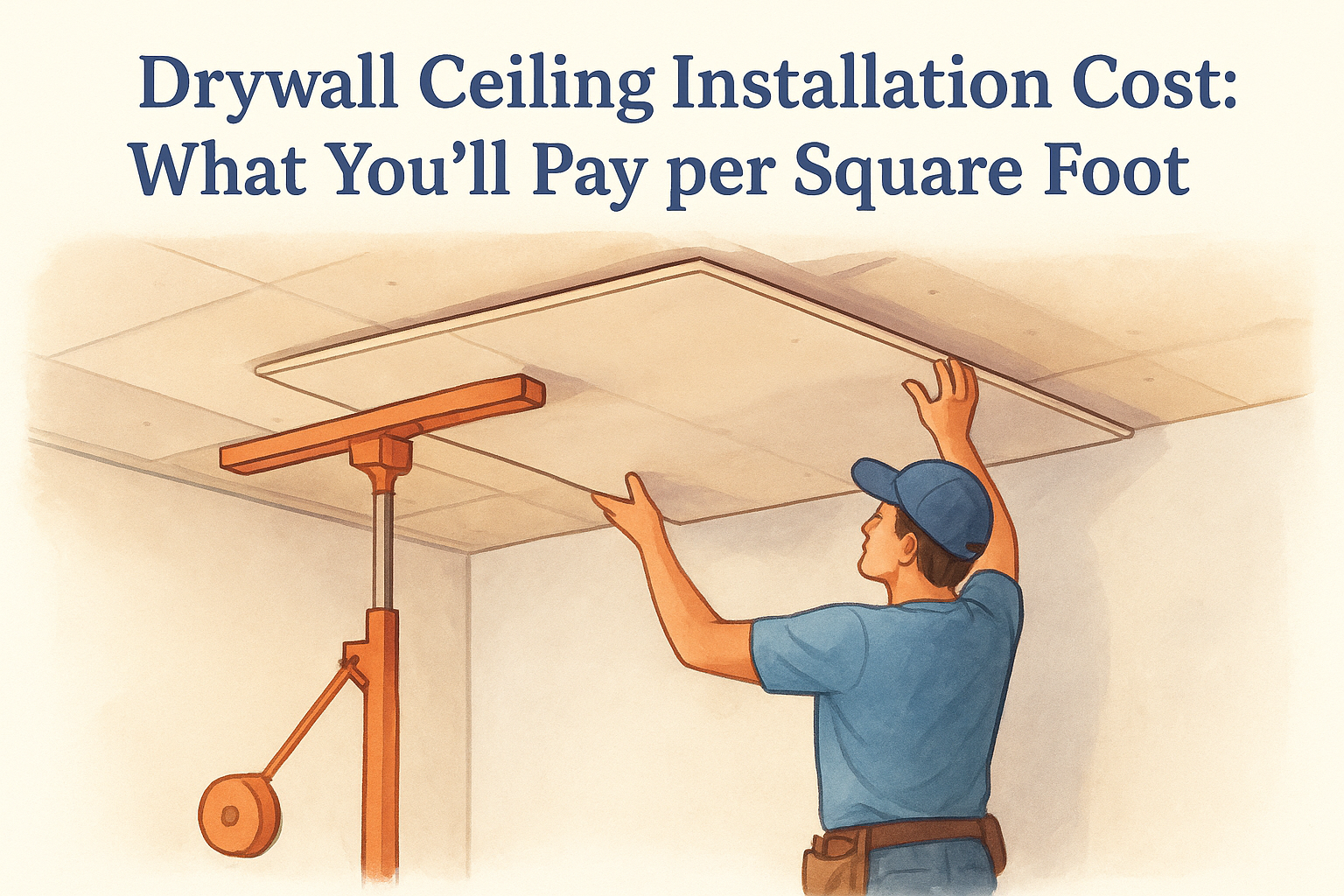
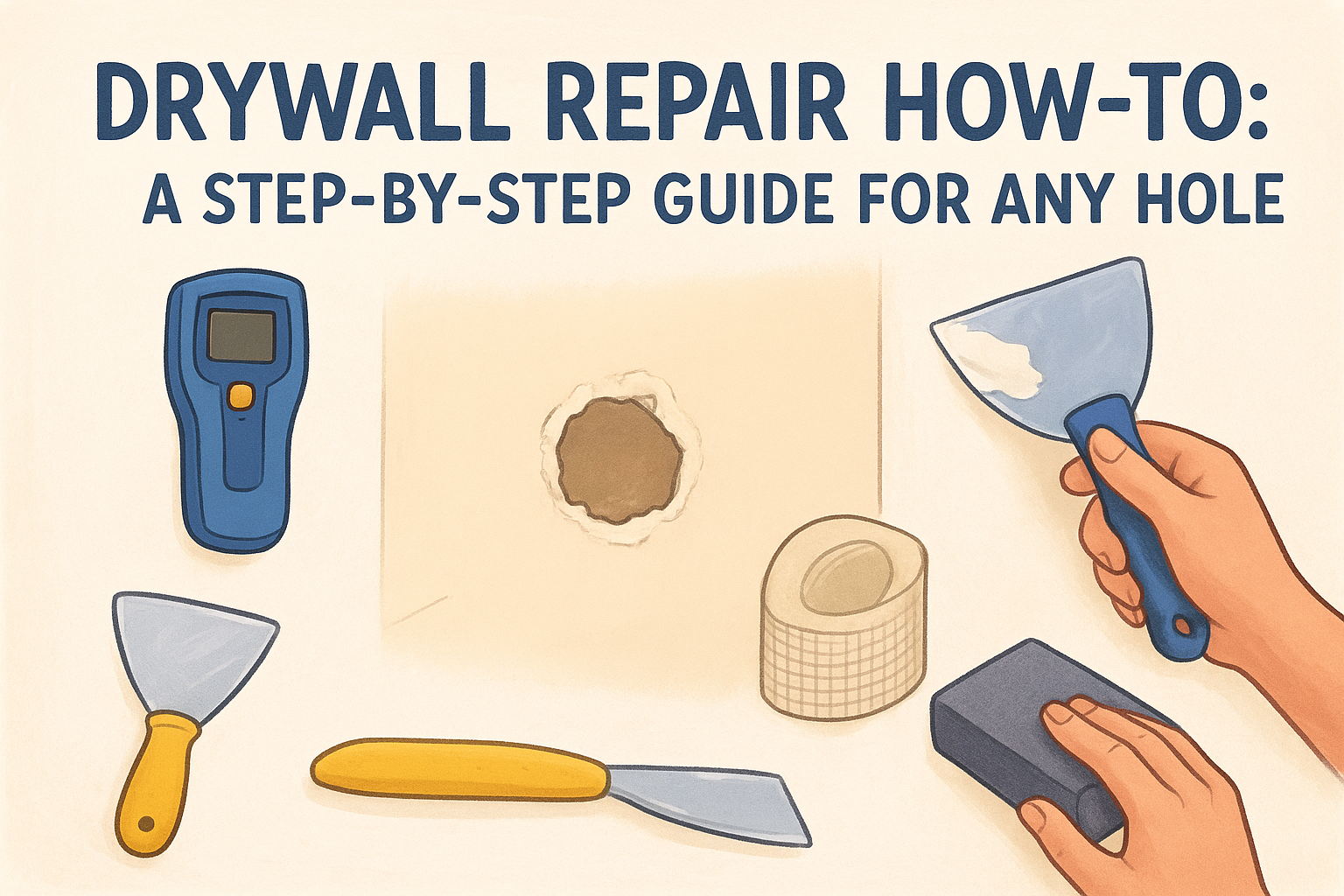
Most of these are standard for any drywall job. If you're tackling a ceiling repair , a drywall lift or a second set of hands is worth having since holding panels overhead while fastening them is difficult and physically taxing alone. Keep your safety gear on throughout the entire process, not just during cutting.

  • Utility knife
  • Drywall saw or oscillating multi-tool
  • Tape measure and pencil
  • Drywall screwgun or drill with screwdriver bits
  • Putty knife (4-inch and 6-inch)
  • Sanding sponge or sandpaper (120-grit and 220-grit)
  • Safety glasses, N95 respirator, and gloves
  • Shop vacuum

Materials checklist

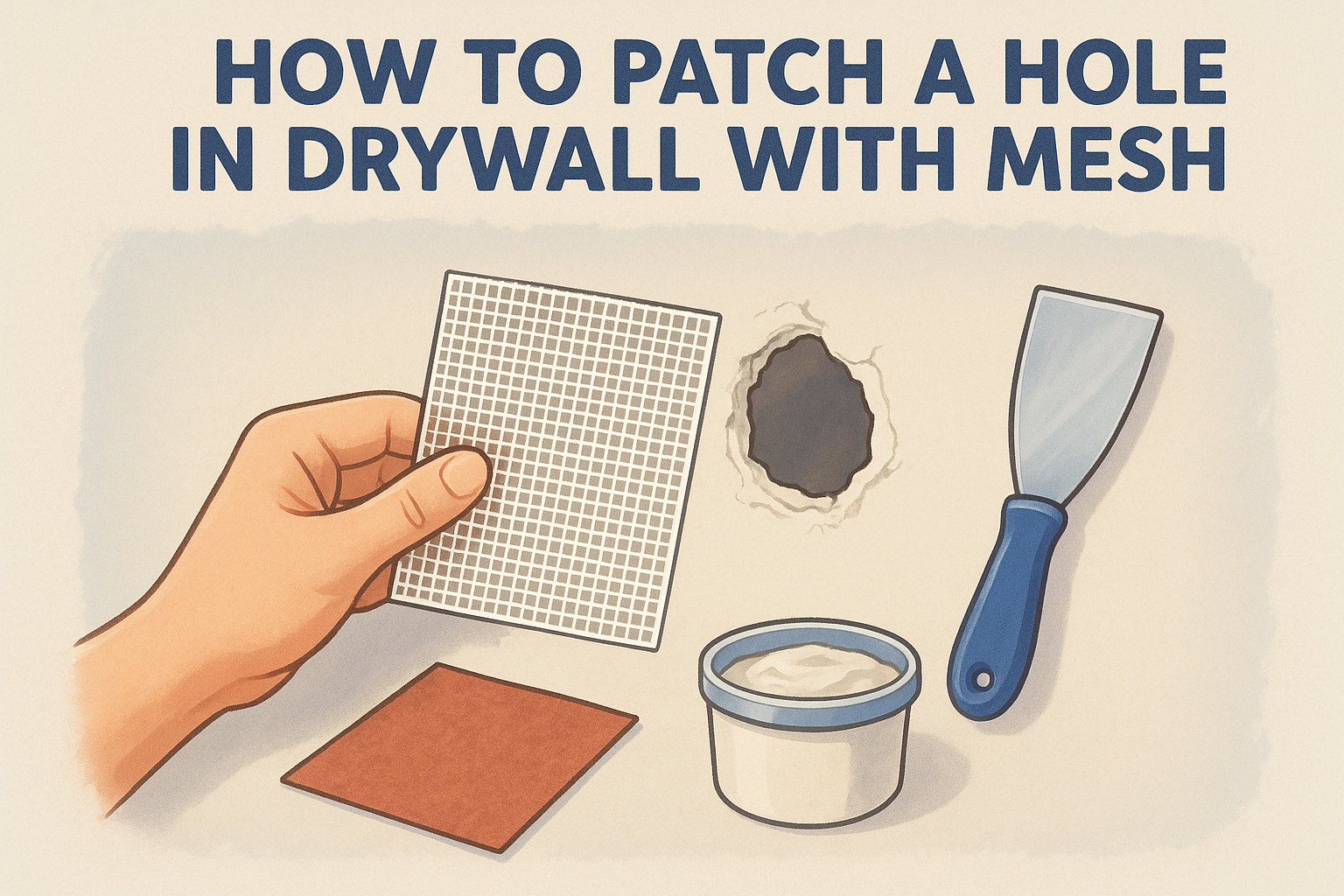
Picking the right drywall thickness matters more than most people expect. Walls typically use 1/2-inch panels, while ceilings need 5/8-inch drywall for better sag resistance under their own weight. For small holes under six inches , a self-adhesive mesh patch kit saves time and skips the backing board step entirely.

Always buy slightly more joint compound than you think you need. Running short mid-application means waiting for a new batch to dry before you can continue, which adds unnecessary time to the job.

  • Replacement drywall panel (1/2-inch for walls, 5/8-inch for ceilings)
  • Drywall screws (1-5/8-inch for walls, 2-inch for ceilings)
  • Drywall tape (paper or fiberglass mesh)
  • Joint compound (all-purpose or setting-type)
  • Stain-blocking primer (shellac-based works best over water stains)
  • Matching paint

Step 1. Decide if you can repair or must replace

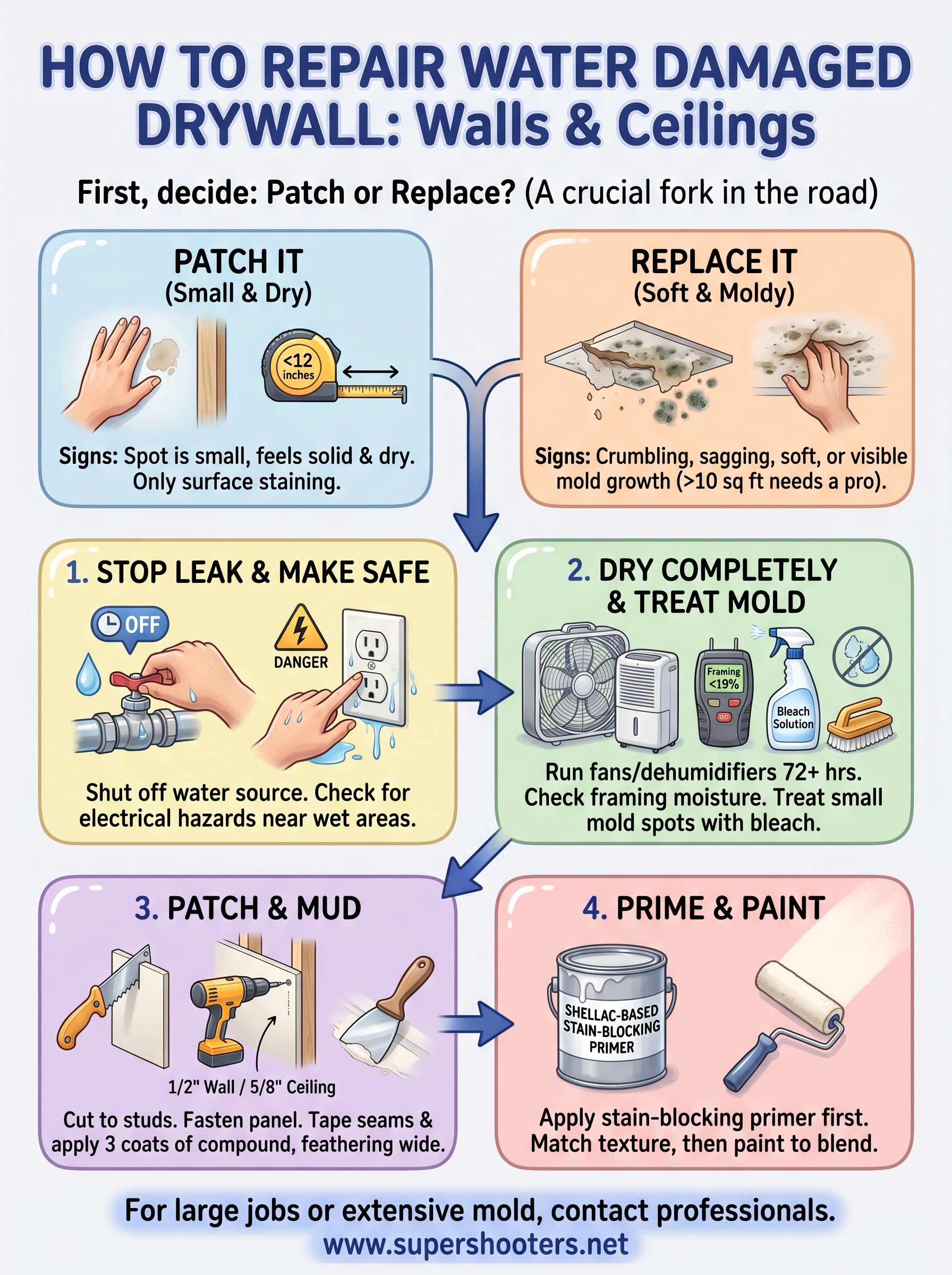
Before you start cutting or buying materials, press the damaged area firmly with your fingers . If the drywall feels solid and dry, a patch may be all you need. If it crumbles, flexes, or feels soft, the paper facing and gypsum core are compromised and that section needs to come out.

Signs you can patch it

The damage is patchable when the wet area is small (under 12 inches) , the drywall is fully dry, and you see no visible mold growth . Surface staining and peeling tape without structural softness fall into this category. Check the back of any cut-out piece too. If it's firm and white throughout, you can patch it.

A small, dry, stained spot is a patch job. Anything soft, crumbling, or showing fuzzy mold growth requires full replacement.

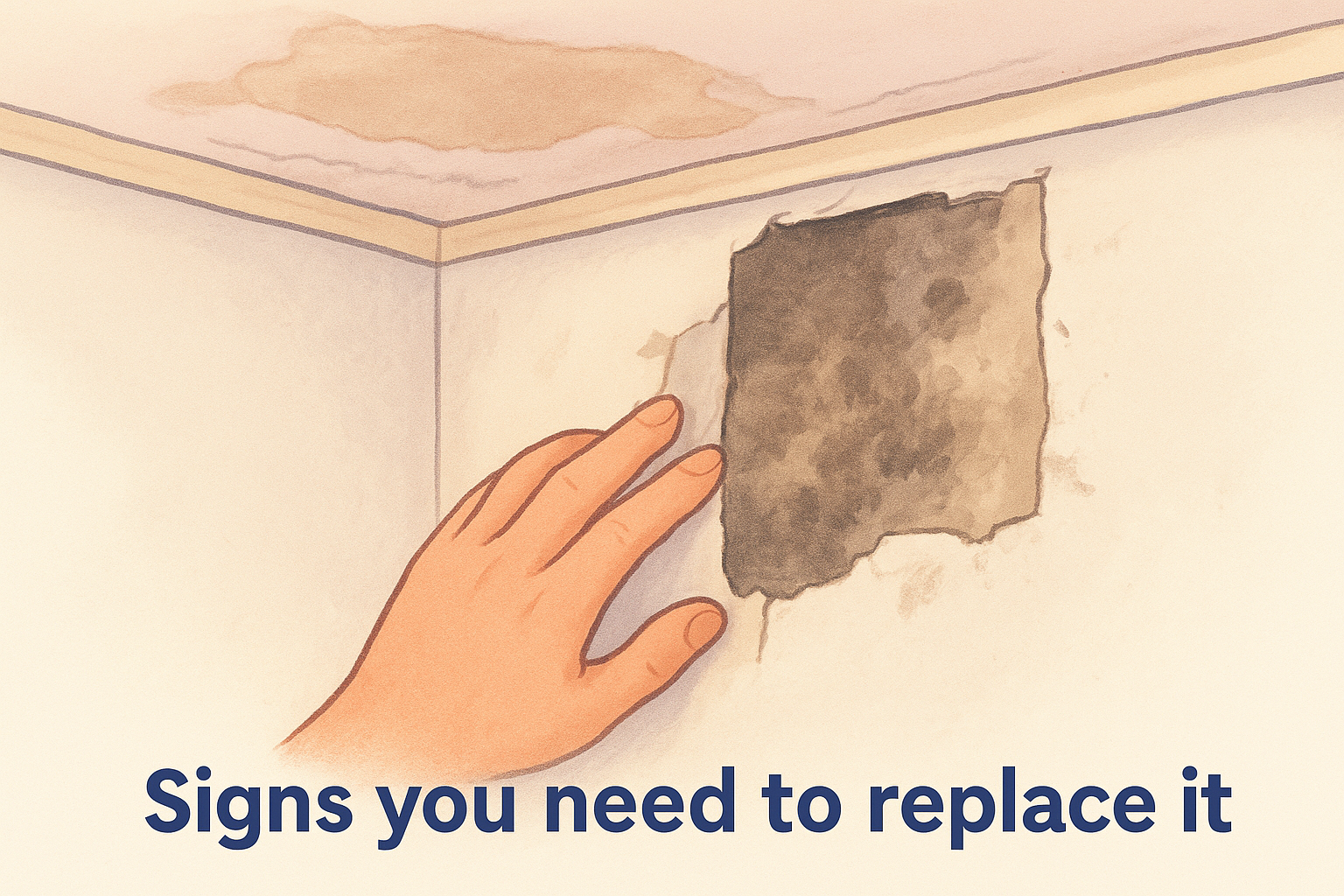
Signs you need to replace it

When learning how to repair water damaged drywall , replacement is the right call when the panel has absorbed enough moisture to lose structural integrity. Look for sagging on ceilings, visible mold colonies, or sections that crumble when touched . Cut out at least two inches beyond the visibly damaged area to make sure you're fastening into sound, dry material on every side of the new patch.

Step 2. Stop the leak and make it safe

Before you do anything else with the repair, the water source must be stopped . Working on drywall while moisture is still entering the wall is a waste of time and materials. Turn off the water at the supply valve closest to the leak, or at the main shutoff if you can't locate the source quickly.

Shut off the water source

If the leak came from a roof, cover the affected area with a tarp until a roofer can address it. For plumbing leaks, call a plumber before you proceed with any drywall work. Patching drywall over an active or unresolved leak is one of the most common mistakes homeowners make when figuring out how to repair water damaged drywall .

Never start patching until the source of moisture is fully resolved, or you'll be tearing out the repair again within weeks.

Check for electrical hazards

Water near outlets, switches, or light fixtures creates a serious shock risk . Turn off the circuit breaker for the affected room before touching anything. If you see water staining around an electrical box or a ceiling fixture, call a licensed electrician before continuing any repair work.

Step 3. Dry it out and handle any mold

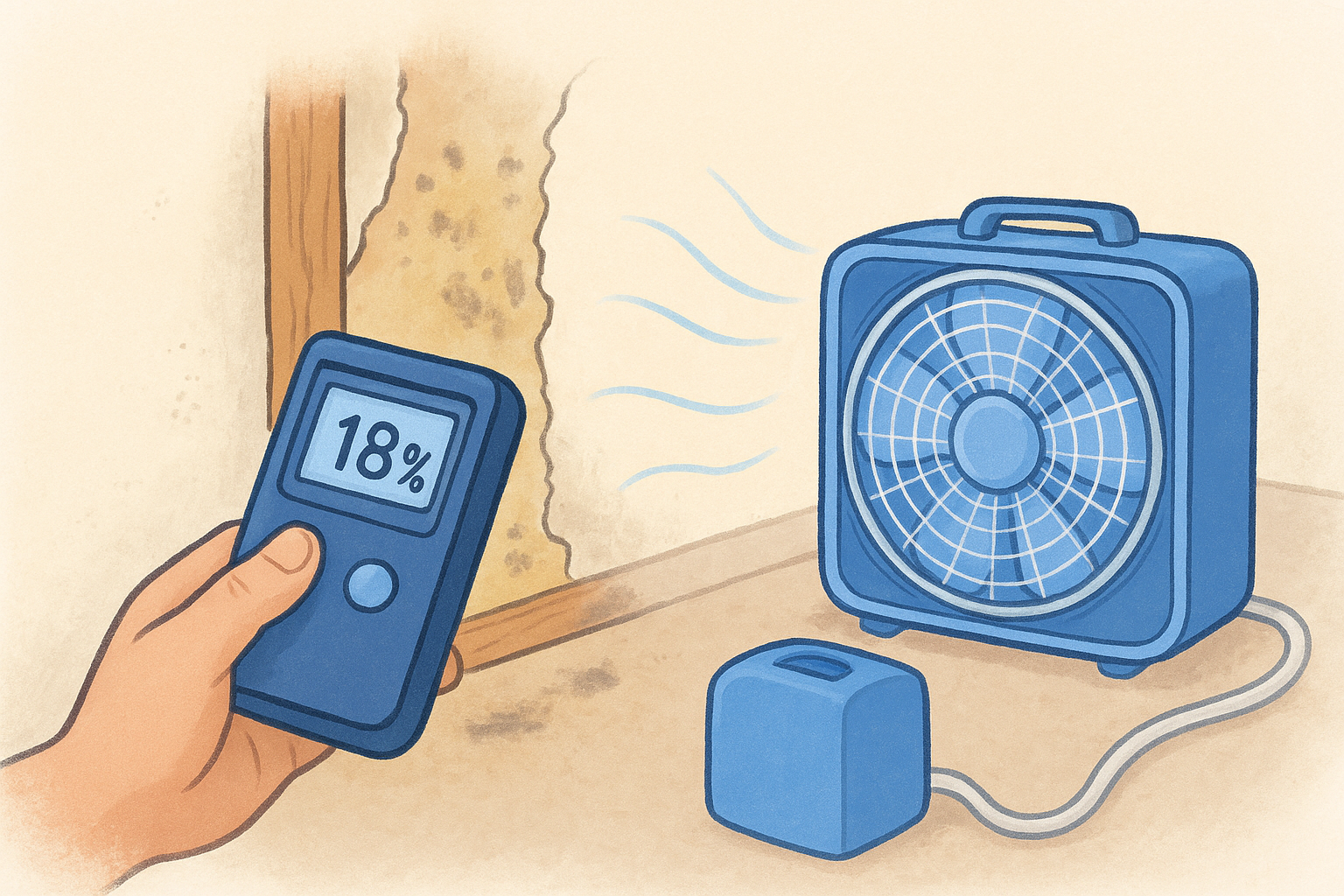
Once the leak is stopped, getting the area completely dry is your next priority. Wet drywall that stays damp for more than 24 to 48 hours starts growing mold. Point a box fan at the exposed area and run a dehumidifier in the room to pull moisture out of the framing and surrounding materials.

Dry the area completely

Use a moisture meter to check the framing , not just the drywall face. Wood studs and ceiling joists need to read below 19% moisture content before you install new drywall. You can find a basic moisture meter at most hardware stores for under $30.

Run the fan and dehumidifier for at least 72 hours , and recheck moisture readings every 24 hours . Don't rush this step or you'll trap moisture behind the new panel.

Treat mold before you close the wall

If you spot mold covering an area smaller than 10 square feet , you can handle it yourself. Scrub the affected framing with a solution of one cup of bleach per gallon of water , then let it dry completely before installing new drywall.

For mold covering more than 10 square feet, the EPA recommends hiring a certified remediation contractor before proceeding with how to repair water damaged drywall.

Step 4. Patch walls and ceilings, then prime and paint

With the framing dry, you're ready to tackle the actual repair. The patching process for how to repair water damaged drywall follows the same sequence whether you're fixing a wall or ceiling: cut clean, fasten solid, tape, mud, sand, prime, and paint .

Cut and fasten the new panel

Cut your replacement drywall so the edges land on the center of a stud or joist . That gives you solid backing on both sides of every seam.

Drive screws every 8 inches along each edge and every 12 inches through the field, keeping heads slightly recessed without tearing the paper face.

Tape, mud, and finish

Apply drywall tape over all seams, then build up joint compound in three thin coats:

  1. First coat: embed the tape
  2. Second coat: feather 6 inches wider on each side
  3. Third coat: feather 10 inches wide for a smooth blend

Sand lightly with 220-grit paper between each coat after it dries fully before moving on.

Prime and paint

Coat every repaired section with shellac-based stain-blocking primer before painting. Water stains bleed through standard latex without it.

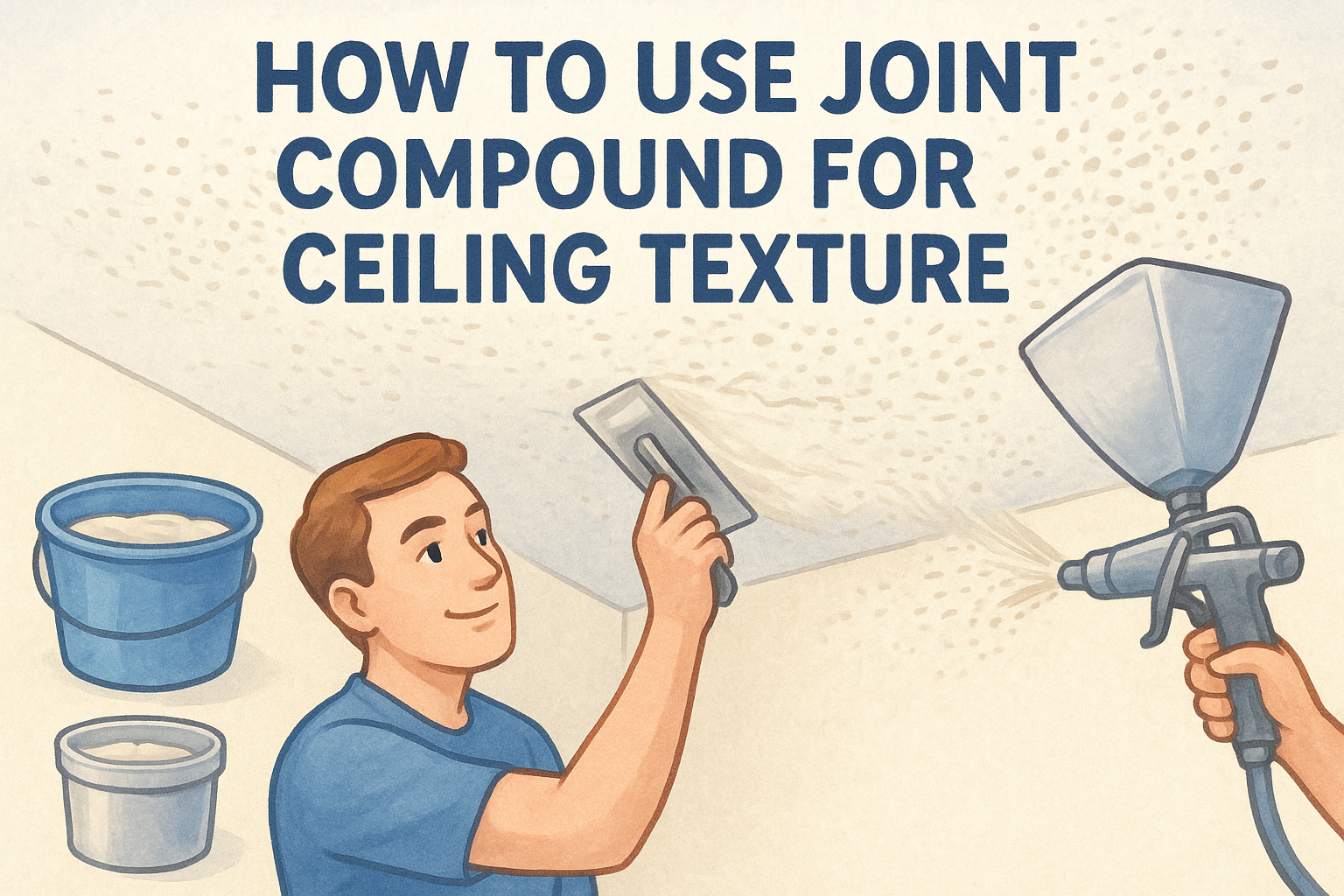
Match your existing texture before priming so the finished surface blends with the surrounding wall.

Quick wrap-up

Knowing how to repair water damaged drywall comes down to four things: stopping the source, drying the framing completely , cutting out anything compromised, and finishing the patch so it blends with the surrounding surface. Rush any one of those steps and the repair fails. Take your time at each stage and the result holds up for years.

Some jobs are straightforward patch work, but others involve extensive mold, sagging ceilings , or damage that runs behind multiple walls. Getting professional help early in those cases saves you money compared to fixing a second round of damage after a DIY repair falls short.

Super Shooters has handled water-damaged walls and ceilings in Sacramento Valley homes for over 30 years . If your repair looks like more than you want to tackle, contact Super Shooters for a free estimate and we'll assess the damage and get it done right.

Recent Posts

By cinchweb May 7, 2026
Learn how to finish drywall with this step-by-step guide. Master professional techniques for taping, mudding, and sanding to get smooth, paint-ready walls.
By cinchweb May 5, 2026
Compare orange peel vs knockdown texture to find the best finish for your home. We break down the costs, cleaning ease, and repair tips for each style.
By cinchweb May 4, 2026
Learn how to patch a hole in the ceiling with our guide for every size. Fix dings, use mesh patches, or replace drywall for a seamless, professional finish.
By cinchweb May 4, 2026
Learn how to smooth textured walls to get a flat, modern finish. Our guide covers asbestos safety, skim coating, and tools for professional results.
By cinchweb May 3, 2026
Compare 10 types of interior wall finishes, including drywall, plaster, and wood. Learn the pros, cons, and costs to find the best look for your home.
By cinchweb May 3, 2026
Learn how to hang drywall on ceiling like a pro. Our guide covers joist marking, panel lift techniques, and screw patterns for a smooth, crack-free finish.
By cinchweb May 3, 2026
Find out does popcorn ceiling contain asbestos by checking construction dates and testing guides. Learn how to safely test, remove, or cover old textures.
May 1, 2026
Master how to patch drywall with our step-by-step guide. Learn to fix small nail holes, medium cracks, and large damage for a seamless, professional finish.
May 1, 2026
Decide between drywall vs plaster walls. Learn how to tell them apart, compare repair costs, and find the best solution for your home renovation project.
Show More