May 1, 2026
Drywall vs Plaster Walls: Pros, Cons, Cost, and How to Tell
If you're planning a renovation, dealing with cracks, or just trying to figure out what your walls are actually made of, the drywall vs plaster walls debate matters more than most people realize. These two materials look similar once they're painted, but they behave very differently when it comes to repairs, cost, durability, and installation .
Sacramento Valley homes span decades of construction styles. Older homes, especially those built before the 1960s, often have traditional plaster walls, while most homes built after that era use drywall. Knowing which one you're working with changes everything about how you approach a project, what it'll cost, and who you should hire to do the work . It also affects decisions around insulation, soundproofing, and even resale value .
At Super Shooters, we've spent over 30 years installing, repairing, and replacing both drywall and plaster across more than 10,000 Sacramento Valley homes. That hands-on experience gives us a clear perspective on the strengths and weaknesses of each material, and when one genuinely makes more sense than the other. This article breaks down the real differences between drywall and plaster walls, including cost comparisons, pros and cons, and a simple way to identify what's already in your home so you can make a confident decision about your next project.
Why wall type matters before you repair or remodel
Knowing whether you have plaster or drywall before starting work isn't just useful background knowledge. It directly shapes the tools your contractor uses , the materials required , and how long the job takes. Treating plaster like drywall, or vice versa, can lead to poor results, wasted materials, and repairs that fail within a year.
Repairs work differently on each material
The techniques for patching plaster are completely different from those used on drywall. Plaster walls are built in layers, typically three coats applied over a lath backing made of wood strips or metal mesh. When plaster cracks or crumbles, you can't simply cut out a section and screw in a new panel the way you would with drywall. Matching the existing texture and finish on a plaster wall also requires specific skills and materials that not every contractor carries.
Drywall repairs, by contrast, are more standardized and straightforward . A contractor can cut out a damaged section , screw in a replacement piece, tape the seams, and apply compound to blend the surface. The process is faster and the materials are widely available, which keeps labor costs lower on most patch jobs.
Renovation decisions depend on what's behind your walls
The material in your walls also affects insulation performance and soundproofing . Plaster walls, because of their density and thickness, naturally block more sound than standard drywall. If you're remodeling a room and planning to add insulation, the method for accessing the wall cavity differs depending on whether you're dealing with plaster or drywall. Cutting into plaster incorrectly can cause surrounding sections to crack or fall, turning a simple insulation project into a much larger repair job.
Understanding the drywall vs plaster walls distinction also matters for permit-related decisions . Some jurisdictions treat work on older plaster walls differently, particularly if the plaster is in homes built before 1978, where lead-based paint was common. Disturbing that material without proper precautions can create both health and legal complications.
If you skip identifying your wall material before starting a project, you risk choosing the wrong repair method, hiring the wrong contractor, and spending more money than necessary.
How wall type affects your renovation budget
The cost difference between working with plaster and working with drywall is significant enough to change your overall project budget. Labor for plaster work tends to run higher because it requires more skilled, time-consuming application. Material costs also differ, and so does the timeline for completion. A drywall job that takes one day might take three or four days if the same area needs to be replicated in plaster.
These timeline differences matter if you're coordinating with other contractors , such as painters or flooring installers. A delay in your wall work pushes back your entire project schedule. Knowing what you're working with upfront lets you build a realistic timeline and avoid expensive surprises mid-project.
How to tell if you have plaster or drywall
Most painted walls look identical once finished, but a few quick physical tests can tell you exactly what you're dealing with before you call a contractor or buy repair materials. Identifying your wall material takes less than five minutes and saves you from choosing the wrong repair method or hiring someone who isn't equipped for the job.
The pushpin test
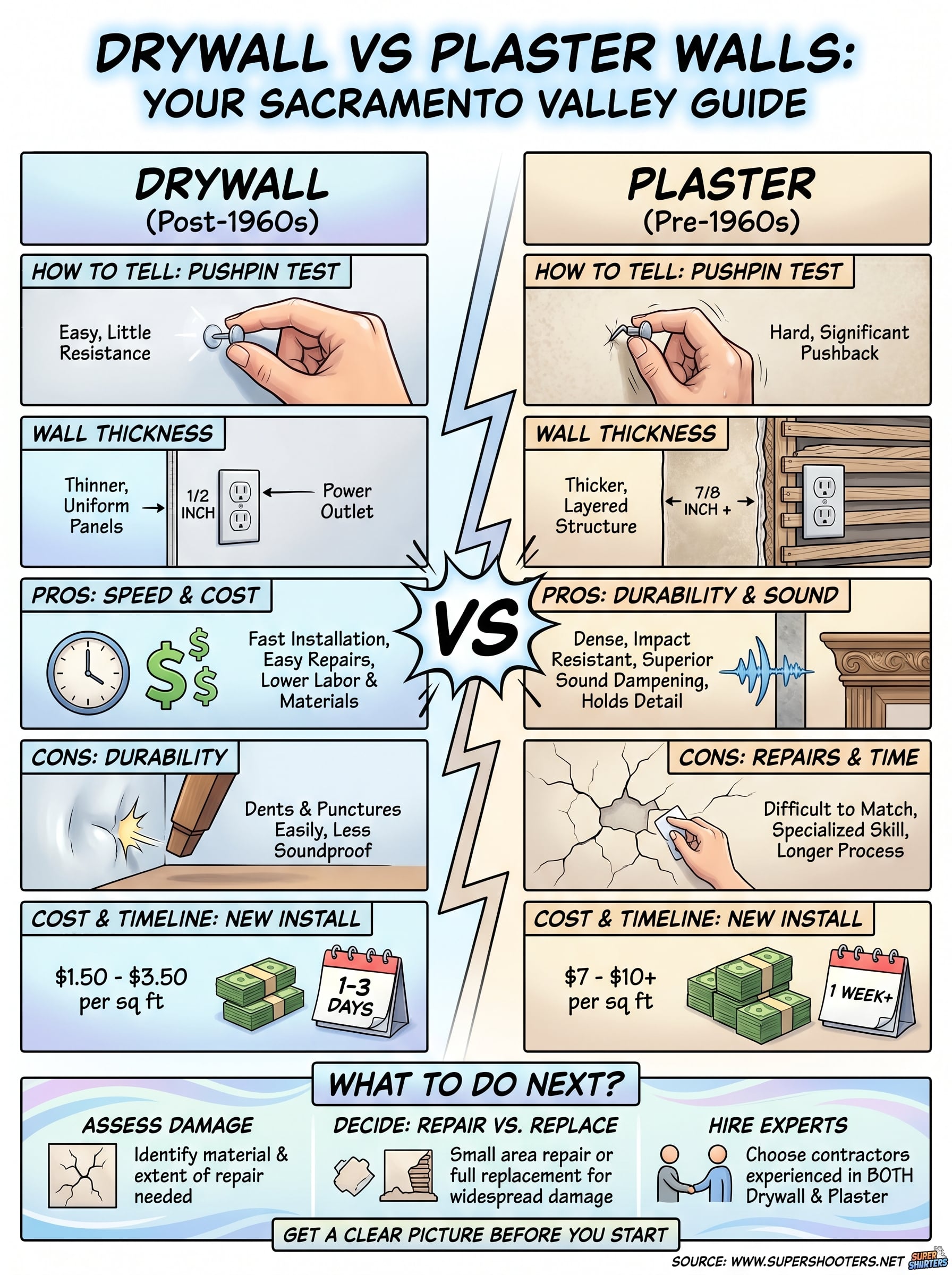
Push a thumbtack or pushpin straight into the wall using just your thumb. Drywall is softer, so the pin goes in with little resistance. Plaster is dense enough that you'll feel significant pushback, and the pin often won't penetrate at all. This single test is one of the fastest ways to settle the drywall vs plaster walls question in your own home.
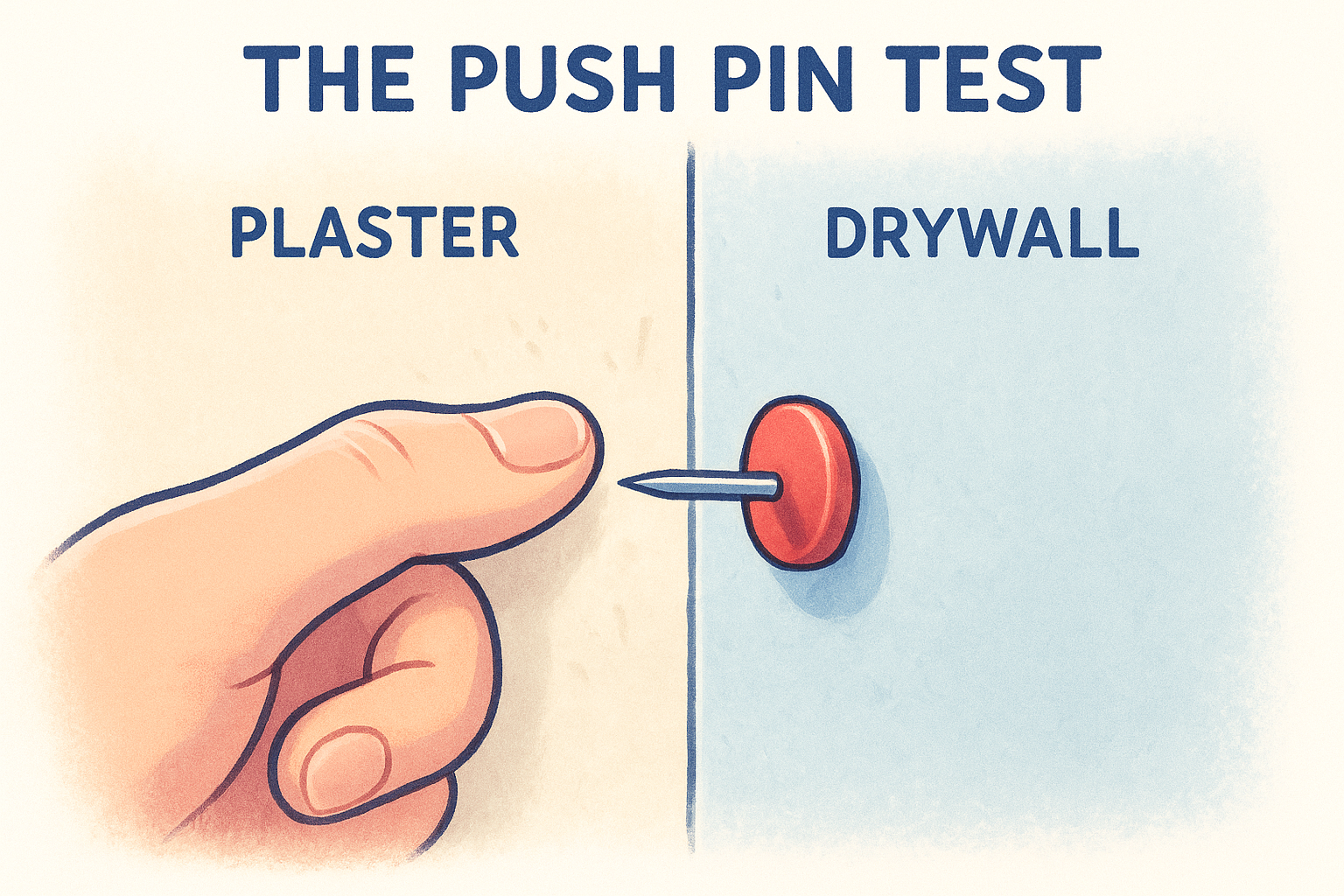
If the pin goes in easily, you're almost certainly looking at drywall. If it stops or breaks, you likely have plaster.
Check the wall thickness and edges
Find an electrical outlet or light switch and remove the cover plate. Look at the gap between the edge of the box and the wall surface. Drywall panels are typically 1/2 inch thick , while plaster walls, including the lath backing, often measure 7/8 inch or more. A noticeably thicker wall section at the outlet strongly points to plaster construction.
You can also examine door frames, window casings, or exposed wall edges in a basement or attic. Where the material is cut or unfinished, you'll see the layered structure of plaster over lath , compared to the uniform single-panel appearance of drywall.
Consider the age of your home
Homes built before 1960 in the Sacramento Valley almost always have plaster walls. After that period, drywall became the standard because it was faster and cheaper to install at scale. If your home dates to the 1940s or 1950s , assume plaster until a physical test confirms otherwise.
Combining the age of your home with the pushpin test and an outlet inspection gives you a reliable answer in most cases, with no special tools required beyond a thumbtack.
Pros and cons of plaster vs drywall for homeowners
Both materials have real strengths, and the right choice depends on your priorities, your home's age, and the kind of work you're planning. Understanding the core trade-offs in the drywall vs plaster walls comparison helps you make smarter decisions about renovation, repair, and long-term maintenance before a single nail goes in.
Where plaster has the advantage
Plaster walls are denser and harder than drywall, which gives them a few clear benefits for homeowners. That density translates into better sound dampening between rooms , something that's noticeably apparent in older Sacramento Valley homes where walls feel more solid and quieter. Plaster also resists minor impacts better, so it doesn't dent or puncture easily when furniture or doorknobs make contact with the surface.
Plaster's natural thickness gives it soundproofing and durability advantages that standard drywall can't match without adding extra products or layers.
The material also holds fine detail well over decades. Decorative plaster molding and curved ceiling profiles maintain their form without the visible seam lines that can appear in drywall as a house settles over time. For homeowners trying to preserve the character of an older home, keeping original plaster intact is often the better choice both aesthetically and structurally.
Where drywall pulls ahead
Drywall wins on speed and overall cost . A full room can be drywalled in a fraction of the time it takes to apply multiple coats of plaster, which means lower labor costs and a faster turnaround . That difference matters when you're coordinating a larger remodel with painters, flooring crews, or other tradespeople working on a shared schedule.
Repairs are also far more accessible with drywall. Most contractors can patch a damaged section without specialized training, and all the materials are available at any hardware store. Matching the surrounding texture is straightforward on most finishes, and a standard repair rarely takes more than a day to complete. For homeowners dealing with water damage, holes from renovation work, or cracks from foundation settling , drywall is simply faster and more cost-effective to restore than traditional plaster.
Cost and timelines to install, repair, or replace walls
When budgeting a wall project, the drywall vs plaster walls decision has a direct impact on both what you pay and how long you wait. The gap between materials isn't trivial, and understanding the numbers upfront helps you avoid sticker shock when estimates come in.
What new installation costs
Installing new drywall in a standard room typically runs between $1.50 and $3.50 per square foot for materials and labor combined, depending on the finish level and local market rates. A full room can usually be hung, taped, and finished within one to three days, which keeps labor costs manageable. New plaster installation , by contrast, runs significantly higher, often $7 to $10 or more per square foot, because each coat requires time to cure before the next is applied. A single room can take a week or longer from start to finish.
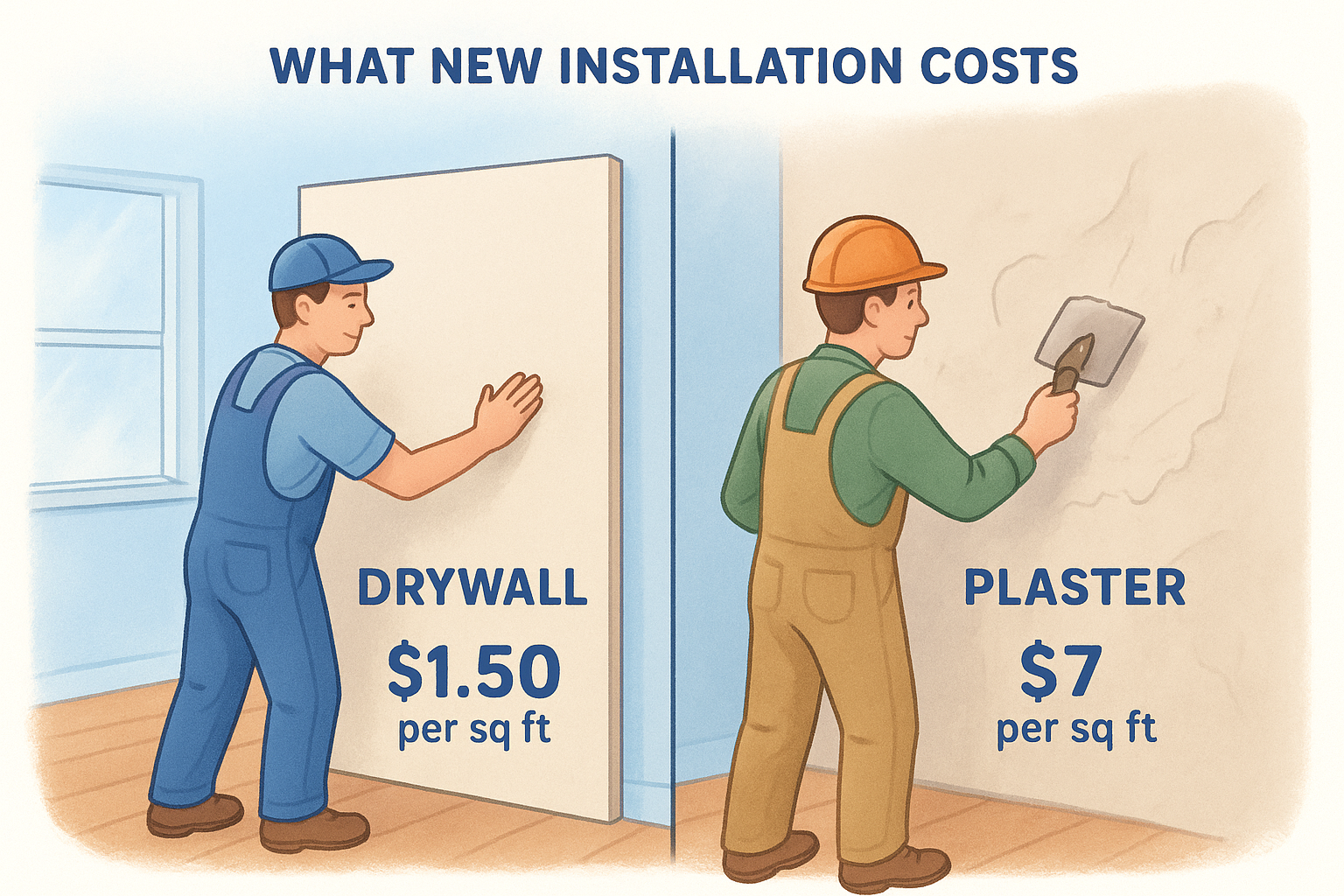
If you're installing walls in new construction or during a full remodel, drywall is almost always the more practical and cost-effective choice unless you're restoring a historic property.
What repairs and replacements cost
Small drywall repairs , like patching a hole or fixing a crack from settling, typically range from $75 to $350 depending on the size and complexity. A contractor can complete most patches in a few hours, and the materials are inexpensive. Plaster repairs cost more across the board because matching the existing coats and texture requires additional skill and time. A comparable repair on a plaster wall can run $200 to $600 or more for a modest-sized area.
Full wall replacement follows the same pattern. Tearing out old plaster and replacing it with drywall is a common approach in Sacramento Valley renovations because it brings costs down and shortens the overall timeline. The demolition itself adds some cost, but most homeowners find that the long-term savings on future repairs make it worthwhile. If you're replacing multiple walls or an entire room , getting a line-item estimate that separates demolition, materials, and finishing helps you see exactly where the budget is going.
What to do if your walls need work
Once you've identified whether you have plaster or drywall , the next step is deciding how much work your walls actually need. Small cracks from settling, water stains from a past leak, and surface damage from a prior renovation all point toward different levels of repair and different contractors. Jumping straight to a full replacement when a targeted repair would do wastes money, but trying to patch a wall that's fundamentally compromised leads to the same problem repeating within a year or two.
Decide between repair and full replacement
Not every damaged wall needs to come down. If your plaster wall has isolated cracks or small areas of crumbling , a skilled contractor can match the existing coats and restore the surface without touching the surrounding sections. The same logic applies to drywall with localized holes or minor water damage , where a patch and texture blend is often all that's needed.
If more than 30% of a wall surface is damaged or the underlying structure is compromised, full replacement is almost always the more cost-effective long-term choice.
Full replacement makes more sense when you're dealing with widespread water damage or extensive cracking across multiple walls , or when a renovation opens the wall cavity anyway. In those situations, tearing out old material and starting fresh with drywall gives you a cleaner result at a lower overall cost than repeated patching over the same area.
Hire a contractor who knows both materials
The drywall vs plaster walls distinction matters when you're screening contractors. Not every drywall installer has experience working with plaster, and attempting plaster repairs without that background typically produces results that are visually obvious and structurally weaker over time. Ask directly whether the contractor has completed plaster repairs in addition to standard drywall work before you commit to a quote.
You should also ask about timeline, warranty coverage, and what the estimate includes for materials versus labor separately. A contractor who breaks down those numbers clearly is easier to compare against other bids, and that transparency tells you they understand the actual scope before the job starts.
Next steps for your walls
The drywall vs plaster walls question has a clear answer once you run the pushpin test, check your outlet depth, and factor in your home's age. From there, the decision comes down to the condition of your walls , your budget, and how much disruption you want during the project. Small, isolated damage usually calls for a targeted repair. Widespread cracking, water damage across multiple surfaces, or a full remodel points toward replacement.
Whatever your walls need, the most important move is getting an accurate assessment from a contractor who has worked with both materials in real Sacramento Valley homes. That hands-on experience shapes everything from the repair method to the final finish quality. If your walls need attention and you want a straight answer on what the work actually involves, contact Super Shooters for a free in-home estimate and get a clear picture before any work begins.
Recent Posts