June 12, 2026
Drywall Cost Breakdown: Labor vs. Materials (2026 Prices)
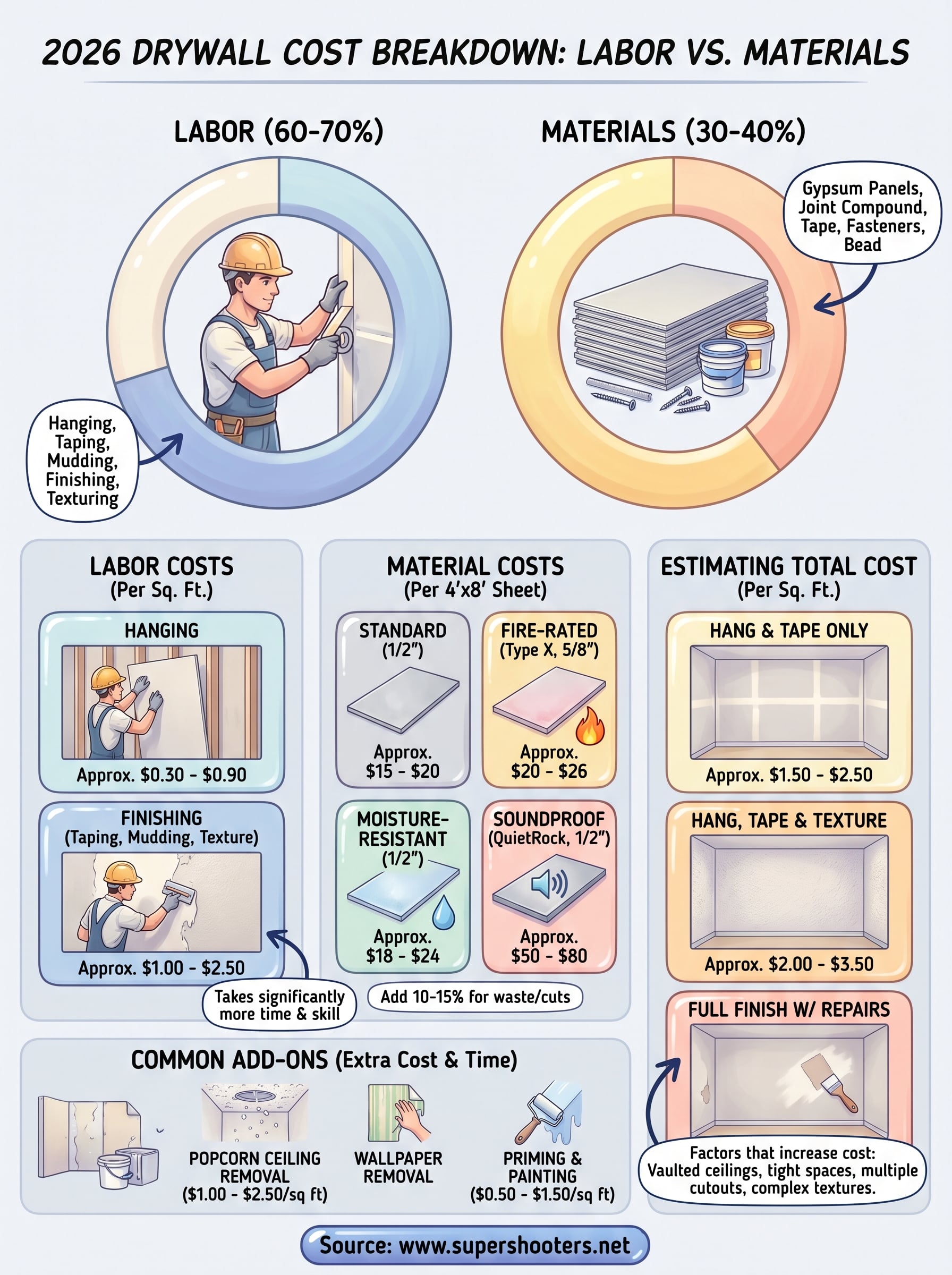
Whether you're finishing a garage, repairing water damage, or hanging new walls in an ADU, the first question is always the same: how much is this going to cost? A clear drywall cost breakdown helps you budget with confidence instead of bracing for surprises. But the final number depends on more than just sheets of gypsum, labor typically accounts for 60–70% of the total , and prices shift based on project size, complexity, and your local market.
At Super Shooters, we've completed over 10,000 drywall and ceiling projects across the Sacramento Valley in our 30+ years of business. That volume gives us a sharp perspective on where every dollar goes, from materials and fasteners to taping, mudding, and finishing. We see homeowners overpay when they don't understand the split, and we've watched others underbudget by ignoring costs like texture application or waste material .
This guide breaks down 2026 labor and material pricing per square foot and per sheet, walks through the factors that push costs up or down, and gives you a realistic framework to estimate your specific project.
Why a drywall cost breakdown matters
Most homeowners request a single quote and accept it without knowing what drives the number. That approach works fine when bids come in low, but it leaves you unable to compare contractors accurately or spot a quote that's either suspiciously cheap or quietly padded. A proper drywall cost breakdown gives you a reference point so you can ask the right questions before signing anything.
The cost split between labor and materials
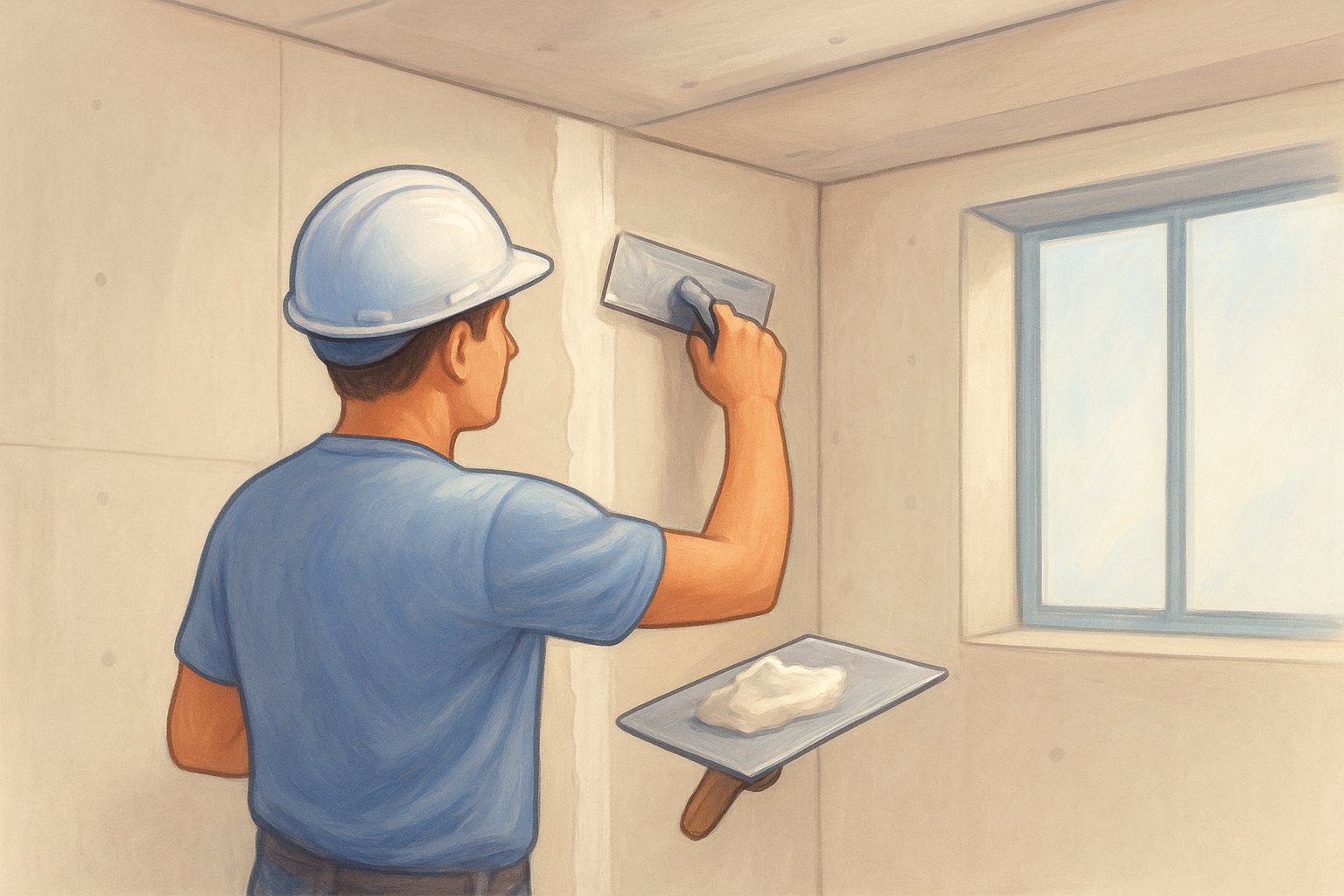
On a standard drywall project, materials account for roughly 30-40% of the total bill, while labor covers the remaining 60-70% . That split surprises most homeowners, who tend to focus on the price per sheet at the hardware store. Finishing work , which includes taping, mudding, sanding, and texturing, takes significantly more time than hanging the boards, and that time is where most of your labor cost lives.
Finishing alone can cost as much as hanging, so any quote that groups them together without explanation deserves a closer look.
How project scope changes the numbers
Larger projects tend to bring your per-square-foot cost down because a contractor can work more efficiently across a continuous surface. A full room is faster to hang and finish than five small repair patches scattered across different walls, each requiring its own setup and blending work.
Your specific conditions also shape the final number significantly. Vaulted ceilings, tight closets, and spaces with multiple cutouts for outlets, switches, and fixtures all add labor time without adding many square feet to the total. Knowing these variables ahead of time lets you build a budget around a realistic estimate rather than anchoring on a regional average that may have nothing to do with your actual project.
2026 drywall prices by unit and type
Before you can build a realistic drywall cost breakdown , you need a firm grip on what materials actually cost this year. Prices have stabilized compared to recent years, but they still vary based on panel thickness, board type, and where you buy .
Price per sheet
Standard 1/2-inch drywall sheets (4x8 feet, covering 32 square feet) run $15 to $20 per sheet at most suppliers in 2026. Thicker 5/8-inch panels, which are required by code in many garage and ceiling applications, land closer to $20 to $26 per sheet . Specialty boards cost more, and the difference adds up fast across a full room.
Always add 10-15% to your material count to account for cuts, waste, and damaged panels during installation.
Board type and price range
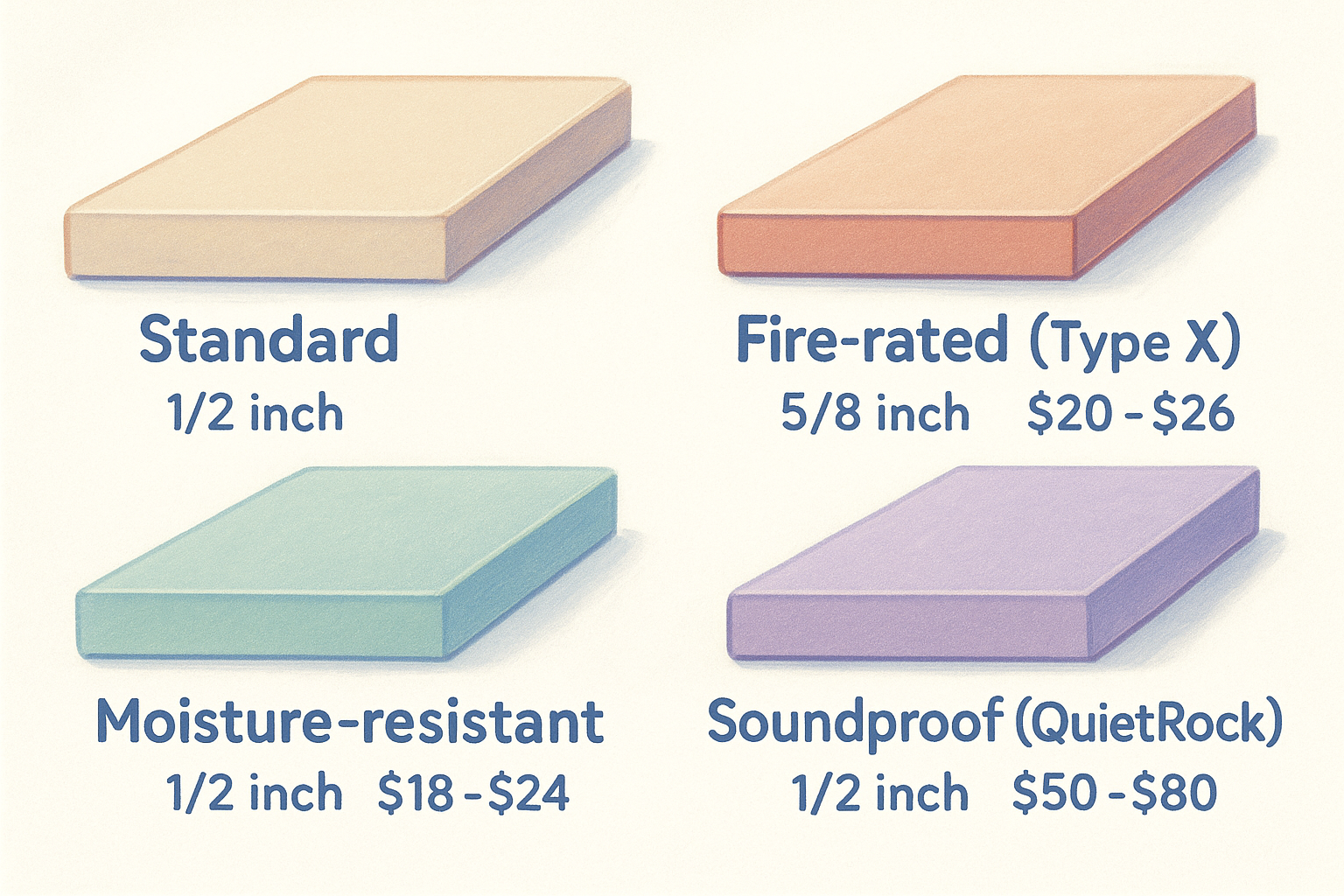
Different project conditions call for different board types, and each one carries a different price point. Here's what you can expect per sheet in 2026:
| Board Type | Thickness | Approx. Price Per Sheet |
|---|---|---|
| Standard | 1/2 inch | $15 - $20 |
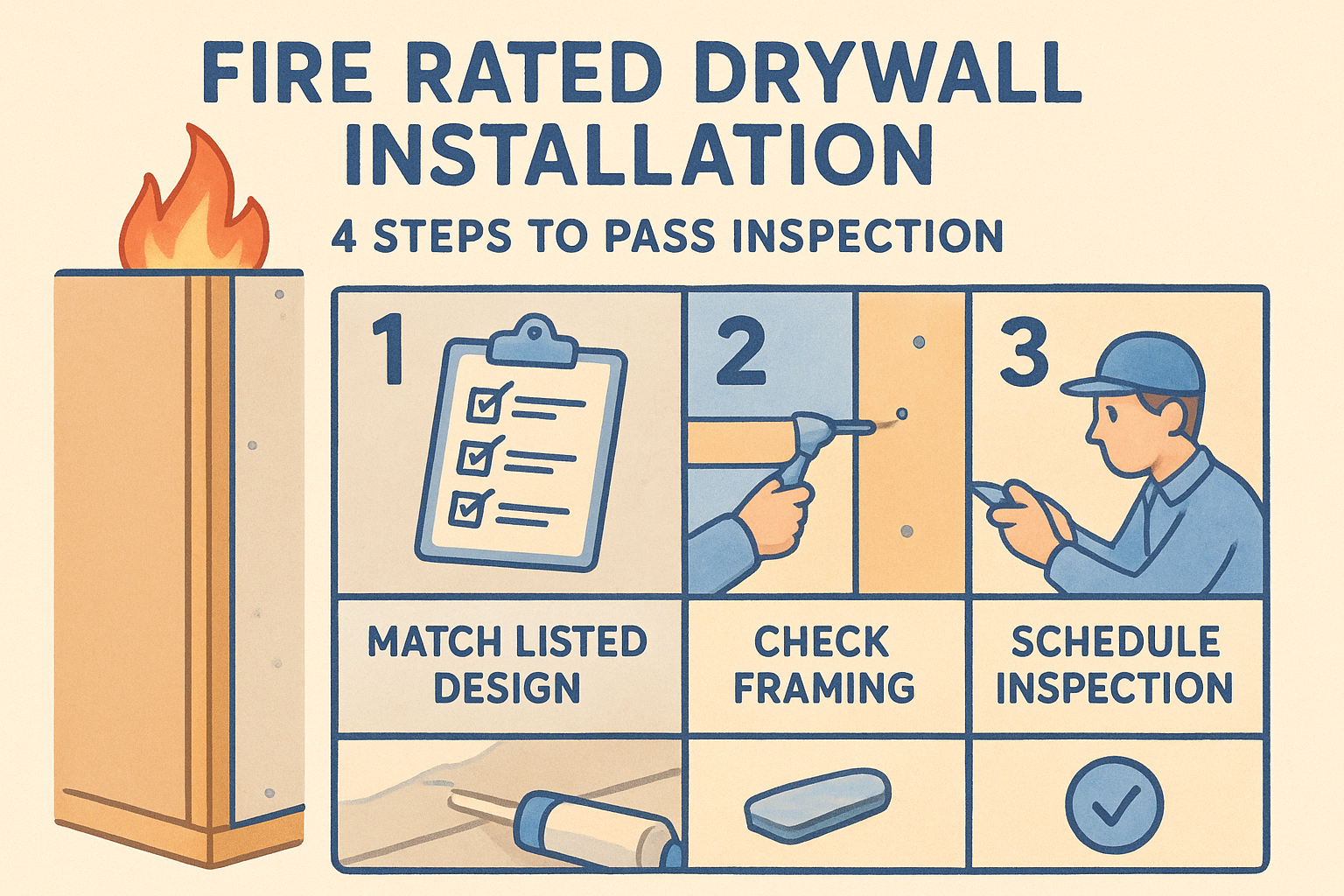
| Fire-rated (Type X) | 5/8 inch | $20 - $26 |
| Moisture-resistant | 1/2 inch | $18 - $24 |
| Soundproof (QuietRock) | 1/2 inch | $50 - $80 |
Choosing the right board type upfront prevents costly replacement work later, especially in bathrooms, garages, or shared walls.
Labor costs for hanging and finishing
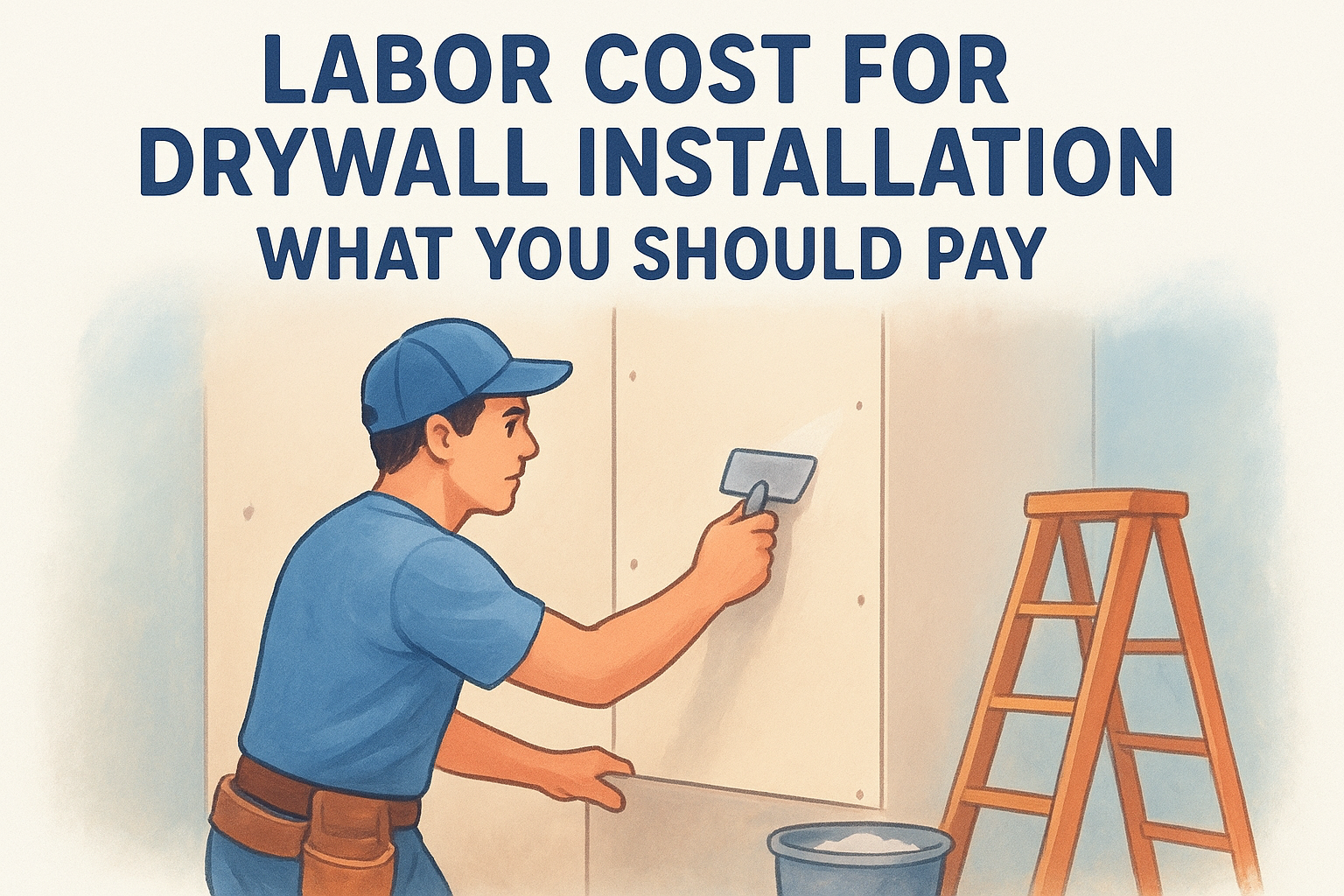
Labor is the largest line item in any drywall cost breakdown , and knowing the split between hanging and finishing helps you verify what you're actually paying for. Hanging drywall typically runs $0.30 to $0.90 per square foot in 2026, depending on ceiling height, panel size, and project complexity.
Hanging labor
Hanging is the faster stage. A crew can cover 300 to 500 square feet per hour on a clean, open surface, which keeps per-square-foot costs lower on larger, unobstructed rooms.
Difficult conditions like high ceilings, vaulted angles, or areas with dense cutouts for outlets and fixtures slow that pace and push your cost toward $0.70 to $0.90 per square foot rather than the lower end of the range.
Finishing labor
Finishing takes more time and skill than hanging, and your bill reflects that difference. Taping and mudding runs $0.50 to $1.50 per square foot , and texture application adds another $0.50 to $1.00 per square foot depending on the style. Here's how the tasks compare:
| Task | Cost Per Sq. Ft. |
|---|---|
| Hanging | $0.30 - $0.90 |
| Taping & mudding | $0.50 - $1.50 |
| Texture application | $0.50 - $1.00 |
Finishing labor alone often costs more than all your materials combined on a mid-size project.
How to estimate your total project cost
Building your own drywall cost breakdown starts with one number: your total square footage . Measure the length times the height of each wall and ceiling surface you plan to drywall, then add all surfaces together. From there, apply current labor and material rates to get a realistic range before you request a single quote.
A simple cost formula
Once you have your square footage, multiply it by the combined labor and material rate that fits your project type. Add 10-15% to your material count for waste, and factor in any specialty boards your project requires. Here's how the per-square-foot ranges break down in 2026:
| Project Scope | Cost Per Sq. Ft. |
|---|---|
| Hang and tape only | $1.50 - $2.50 |
| Hang, tape, and texture | $2.00 - $3.50 |
| Full finish with repairs | $3.00 - $5.00 |
These ranges apply to standard residential conditions; vaulted ceilings or dense cutout areas push costs toward the higher end.
Sample estimates by room size
A 200-square-foot bedroom with standard hang, tape, and texture lands between $400 and $700 at current 2026 pricing. A 500-square-foot garage conversion runs closer to $1,000 to $1,750. Larger projects typically carry lower per-square-foot rates because crews work more efficiently across open, continuous surfaces without constant setup changes.
Common add-ons that change the price
A base drywall cost breakdown covers hanging and finishing on clean, open surfaces, but most real projects include at least one add-on that adjusts the final number. Knowing which extras apply to your project lets you budget accurately instead of getting caught off guard when a contractor's quote lands higher than a standard regional estimate.
Services that add labor time
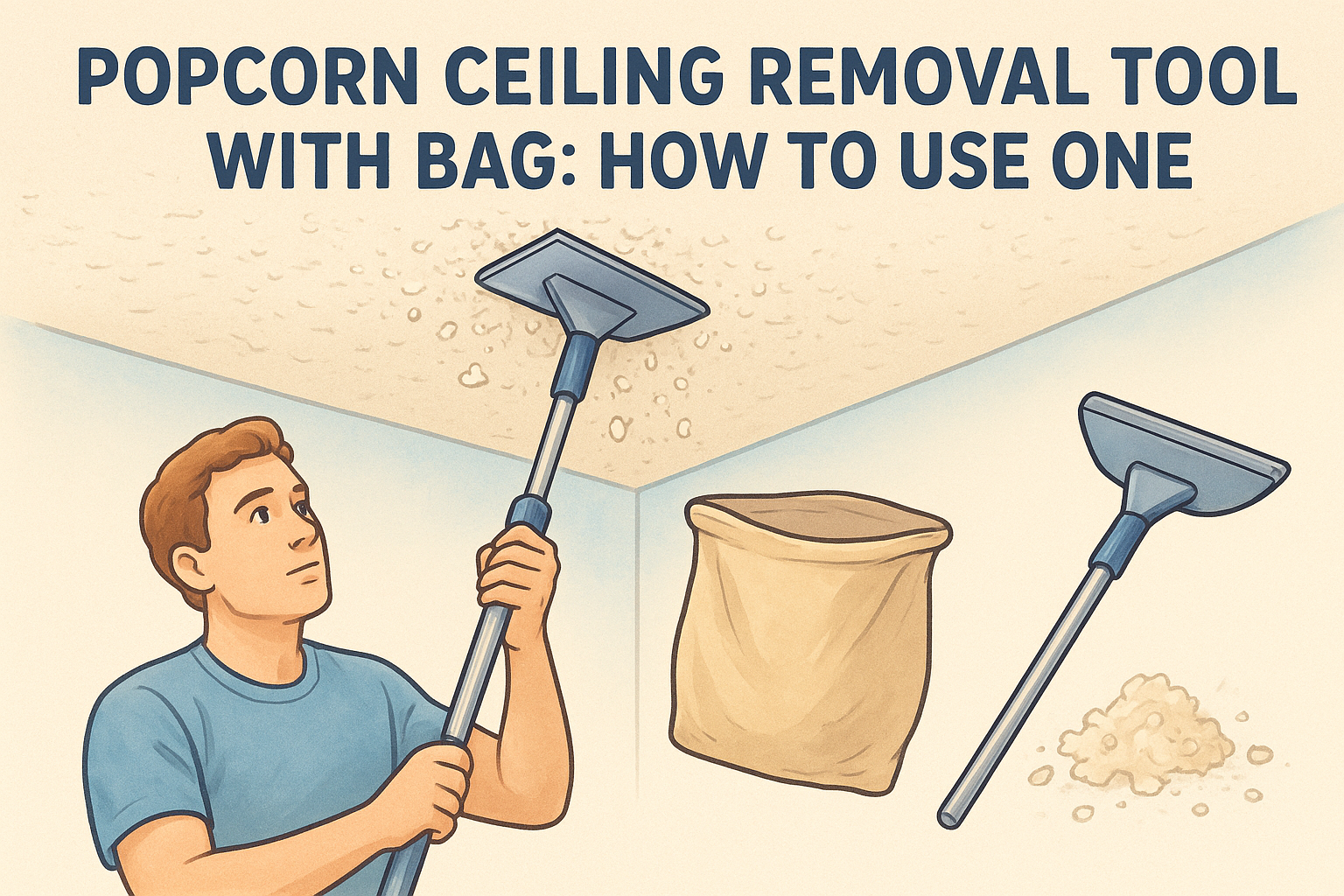
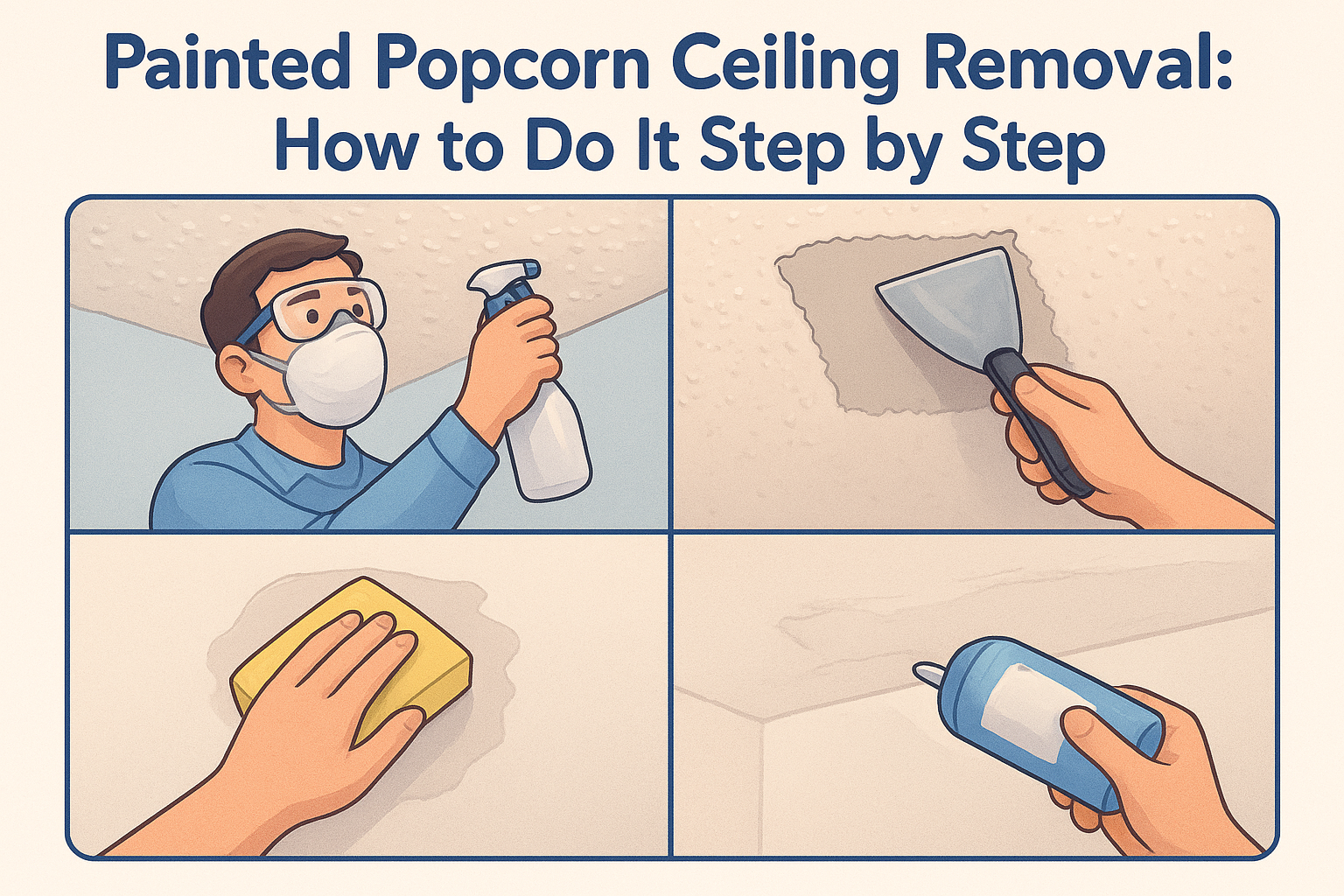
Wallpaper removal and plaster repair both require extra prep before new drywall can go up, and that prep time adds directly to your labor bill. Acoustic or popcorn ceiling removal is another frequent add-on, typically running $1.00 to $2.50 per square foot depending on the ceiling condition and whether asbestos testing is required before work can begin.
If your home was built before 1980, budget for asbestos testing before any ceiling removal work starts.
Materials that raise the total
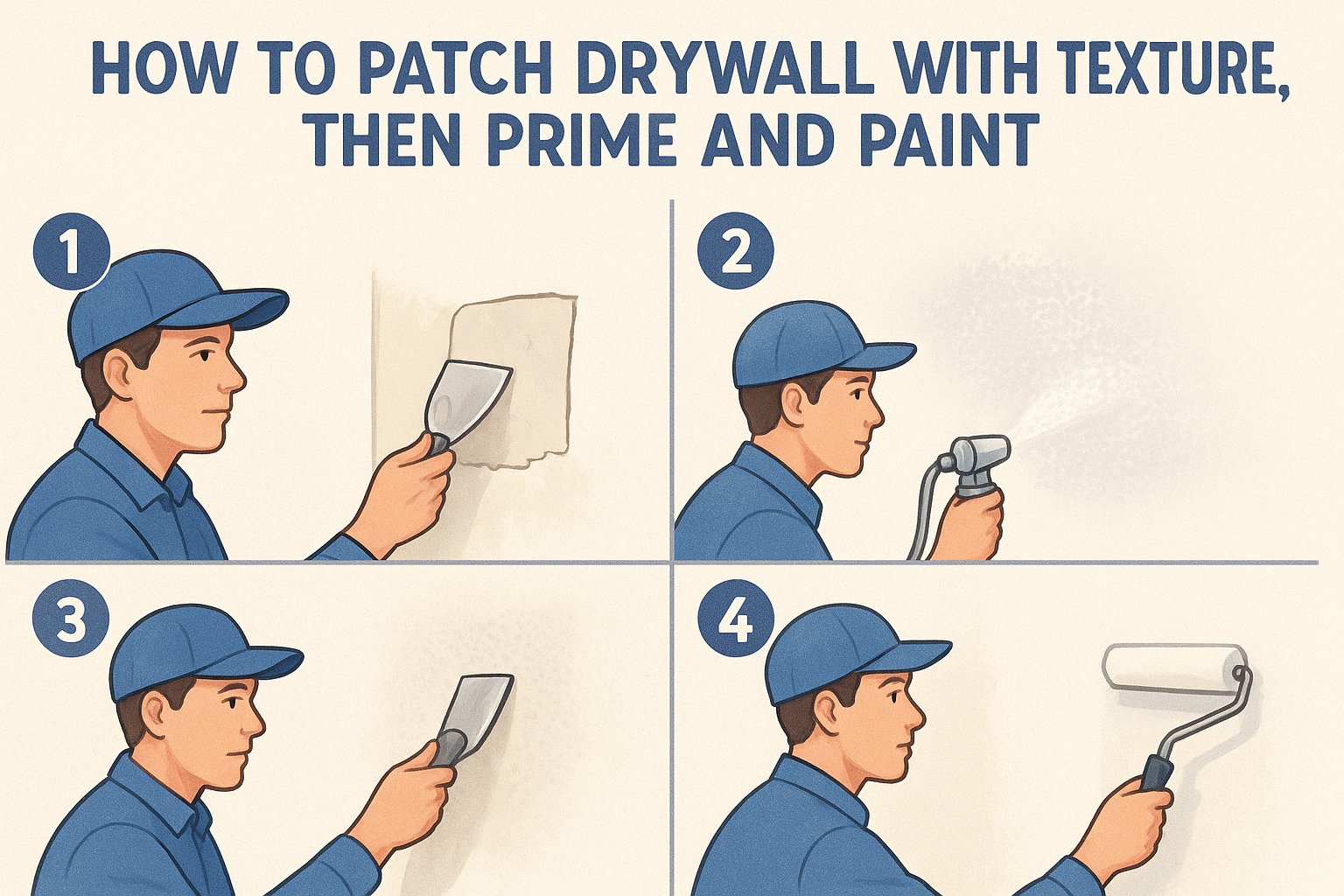
Corner bead, primer coats, and paint are often treated as separate line items outside the core drywall scope, so they don't always appear in a base quote. Priming and painting a freshly textured surface typically adds $0.50 to $1.50 per square foot to your total. Specialty fasteners, longer screws for thicker fire-rated panels, and additional compound for complex texture patterns all push your material costs above what a simple hanging estimate would suggest.
Next steps for your drywall budget
Now that you have a solid drywall cost breakdown in hand, the next move is to measure your project space and apply the per-square-foot ranges from this guide. Write down your square footage, identify which board types your project requires , and flag any add-ons like texture, popcorn ceiling removal, or asbestos testing before you contact a contractor. That preparation puts you in a stronger position to evaluate quotes accurately and catch line items that don't belong.
Super Shooters has completed over 10,000 projects across the Sacramento Valley, and we offer free in-home estimates with no upfront payment required . Whether you need new walls in an ADU or a full room finish, our team gives you a clear, itemized quote based on your actual conditions rather than a regional average. Get a free drywall installation estimate and walk away with a number you can actually build a budget around.