Share this article

September 9, 2026

5 Best Ceiling Popcorn Removal Machines for DIY Use

Scraping popcorn ceiling by hand is slow, dusty, and hard on your shoulders. If you've already tried a putty knife and a garden sprayer, you know why so many homeowners search for a ceiling popcorn removal machine before tackling a whole room. The right tool cuts hours off the job and keeps most of the mess contained instead of coating your furniture and lungs in fine white dust.

This guide answers the question directly: which machines actually work for DIY use, and which ones are a waste of money, and it pairs well with our ceiling popcorn removal tool comparison for a dust-free DIY. We break down vacuum-attached scrapers , oscillating tools, and the electric popcorn ceiling removal tool options that pros use on job sites, so you can decide what fits your ceiling size, budget, and patience level.

We've spent over 30 years pulling popcorn texture off Sacramento Valley homes, including asbestos-tested ceilings that require extra care, so we know which shortcuts save time and which ones cause bigger headaches. Below are the five machines worth considering, what each one costs to buy or rent, and when it's smarter to just call a licensed contractor instead.

1. Manual scraper with built-in vacuum attachment

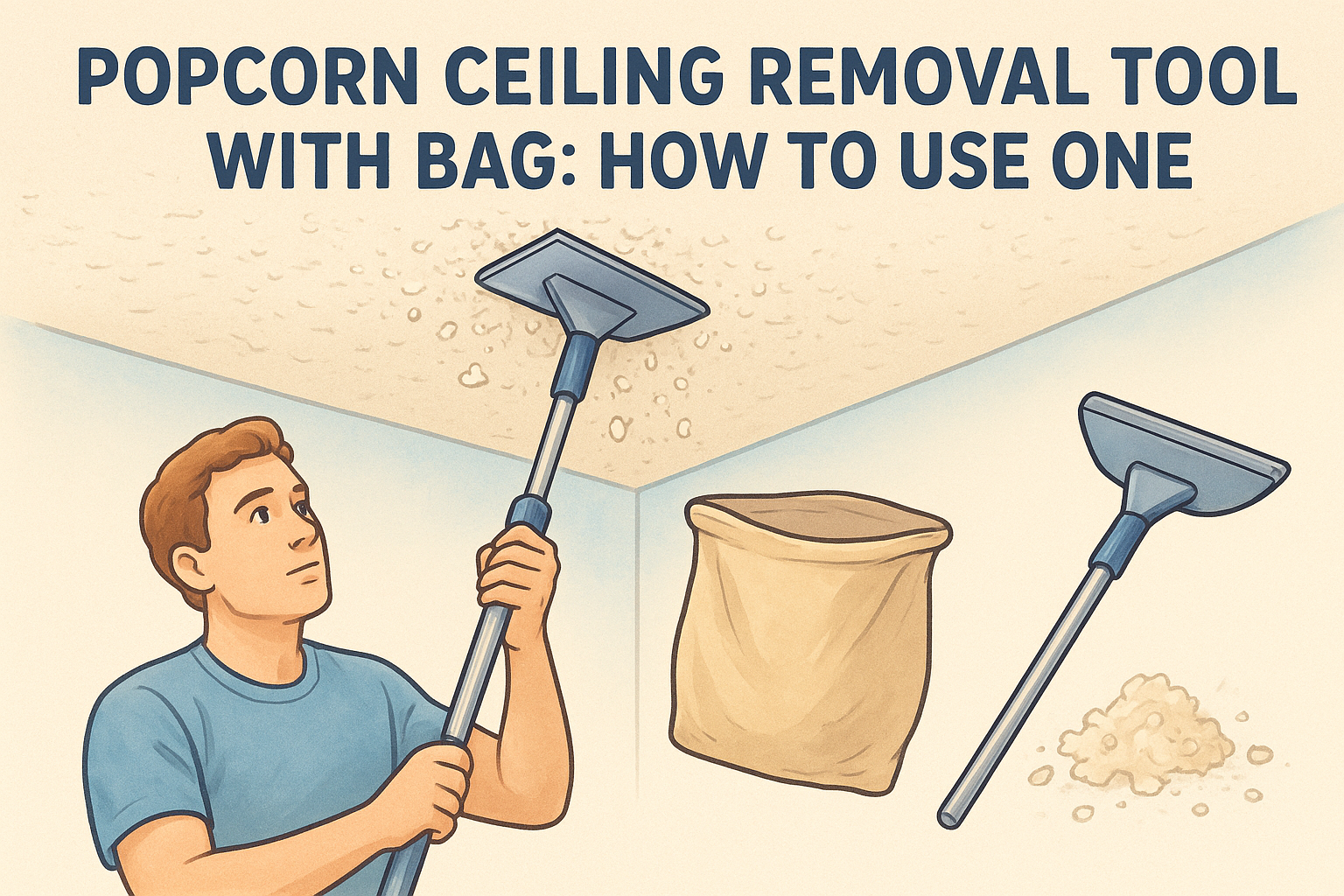
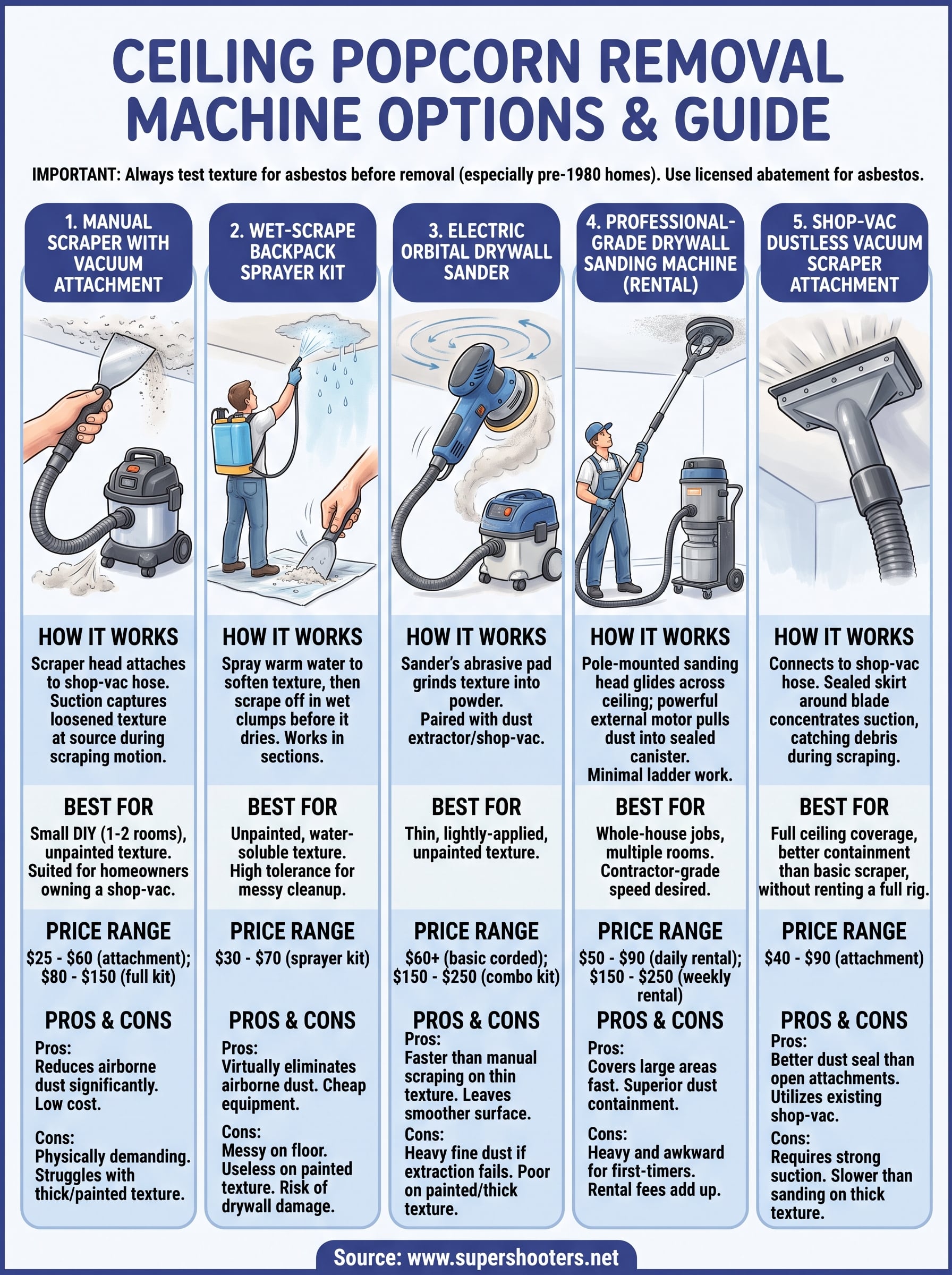
This tool combines a standard ceiling scraper with a shop-vac hose fitted directly behind the blade, so dust gets pulled into a canister the moment it leaves the ceiling instead of drifting down onto your floors and furniture. It's the closest thing to a true ceiling popcorn removal machine that a homeowner can operate without training or a crew.

How it works

You attach the scraper head to a standard wet/dry vacuum hose, then run the blade across the ceiling in the same motion you'd use with a hand scraper. The vacuum suction captures loosened texture at the source, which keeps airborne particles down significantly compared to dry scraping alone, and matching suction to blade width is covered in our guide to vacuum scraping a popcorn ceiling without the dust. Some models include a wide flat head for open ceiling area and a narrower attachment for corners and light fixtures.

A vacuum-attached scraper won't make scraping fast, but it will keep your living room out of a snowstorm of dust.

Best for

Homeowners tackling one or two rooms who already own a shop-vac and want to avoid renting equipment. It suits textured ceilings without heavy paint buildup, since thick paint layers tend to clog the vacuum port.

Price range

Expect to pay $25 to $60 for the scraper attachment itself, assuming you already have a compatible shop-vac. Full kits with a dedicated vacuum run $80 to $150.

Pros and cons

  • Pro: Dramatically reduces airborne dust compared to bare scraping
  • Pro: Low cost of entry, especially if you own a shop-vac already
  • Con: Still physically demanding on shoulders and wrists over a full ceiling
  • Con: Struggles with thick paint or multiple texture layers
  • Con: Not rated for asbestos-containing texture, so test your texture for asbestos first since it requires licensed abatement handling

2. Wet-scrape backpack sprayer kit

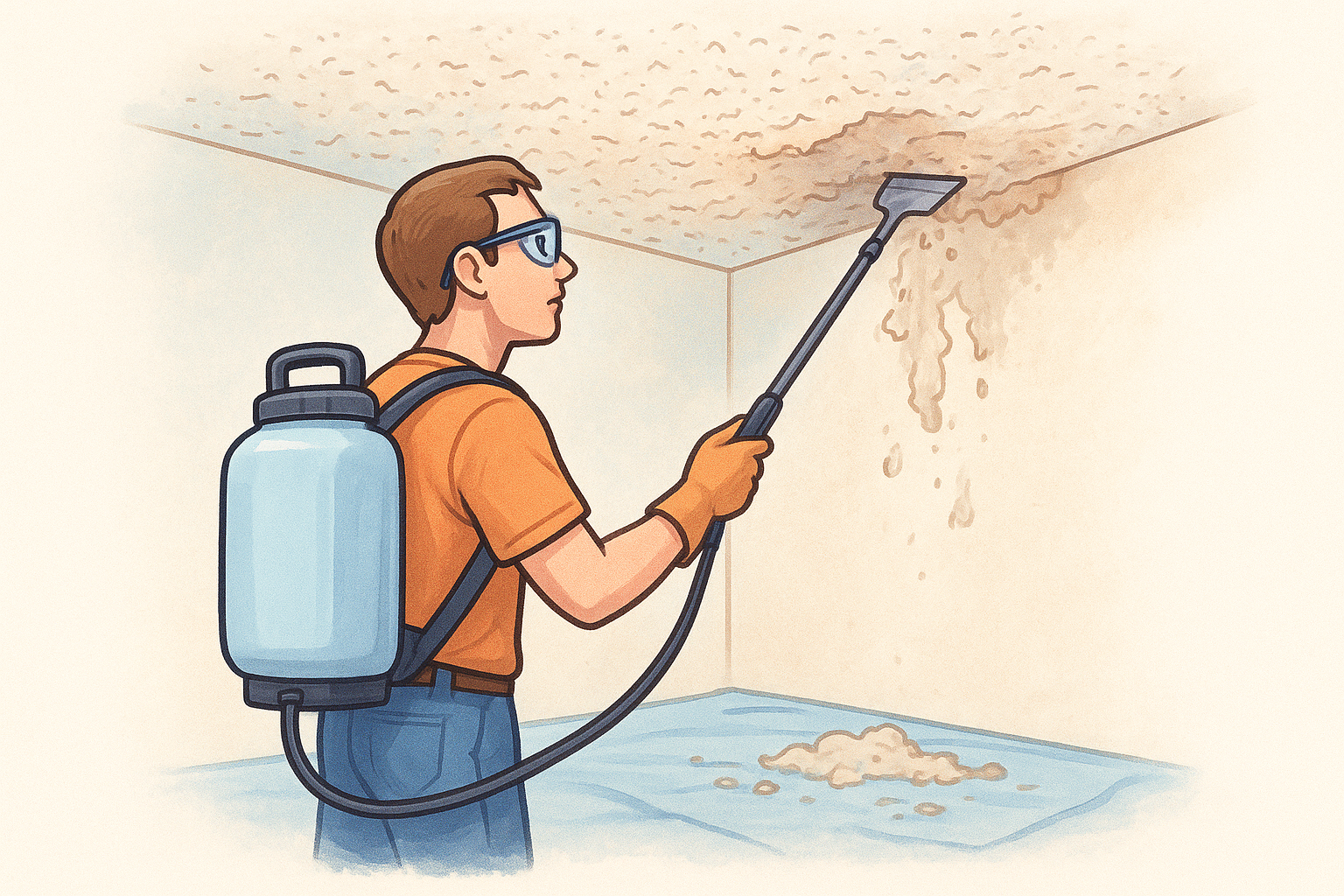
A backpack sprayer kit swaps the vacuum for water, softening popcorn texture so it peels off in wet clumps instead of dry, airborne dust. It's less a machine and more a system: a pump sprayer, a wide scraper, and drop cloths working together. Many DIYers pair this with an electric popcorn ceiling removal tool for the second pass once texture is loosened.

How it works

You fill the backpack sprayer with warm water, mist a small section of ceiling until the texture darkens and softens, then scrape it off with a flat blade before it dries. Working in 4x4 foot sections keeps the wet texture from hardening again before you get to it.

Wet-scraping trades dust for mess on the floor, so plan on covering everything below and learn how to seal a room with plastic sheeting before you start.

Best for

Homeowners with unpainted, water-soluble texture and a high tolerance for cleanup. It's a poor match for painted ceilings, since paint seals out the water.

Price range

Sprayer kits run $30 to $70.

Pros and cons

  • Pro: Virtually eliminates airborne dust
  • Pro: Cheap equipment cost
  • Con: Messy, slow, and useless on painted texture
  • Con: Water exposure risks drywall damage if oversaturated

3. Electric orbital drywall sander

An electric orbital drywall sander swaps scraping for sanding down, grinding popcorn texture into fine powder rather than peeling it off in chunks. Most models pair with a hose to a shop-vac or dust extractor, so this counts as another true electric popcorn ceiling removal tool rather than a manual workaround.

How it works

You hold the sander's round pad flush against the ceiling and let the motor do the abrasive work, moving in slow overlapping passes across each section. Variable-speed models let you dial down power near light fixtures and edges, where an aggressive setting can gouge drywall paper.

A drywall sander turns texture into dust fast, but that speed only helps if your dust collection keeps pace with it.

Best for

Homeowners with thin, lightly-applied texture and no paint coating, since sanding painted popcorn just smears paint chips into the drywall surface instead of removing them cleanly.

Price range

Basic corded sanders start around $60, while dust-extraction combo kits run $150 to $250.

Pros and cons

  • Pro: Faster than scraping on thin texture
  • Pro: Leaves a smoother surface ready for texture or paint, a good starting point for how to smooth a ceiling after popcorn removal
  • Con: Generates heavy fine dust if extraction fails
  • Con: Poor results on painted or thick texture layers

4. Professional-grade drywall sanding machine for rent

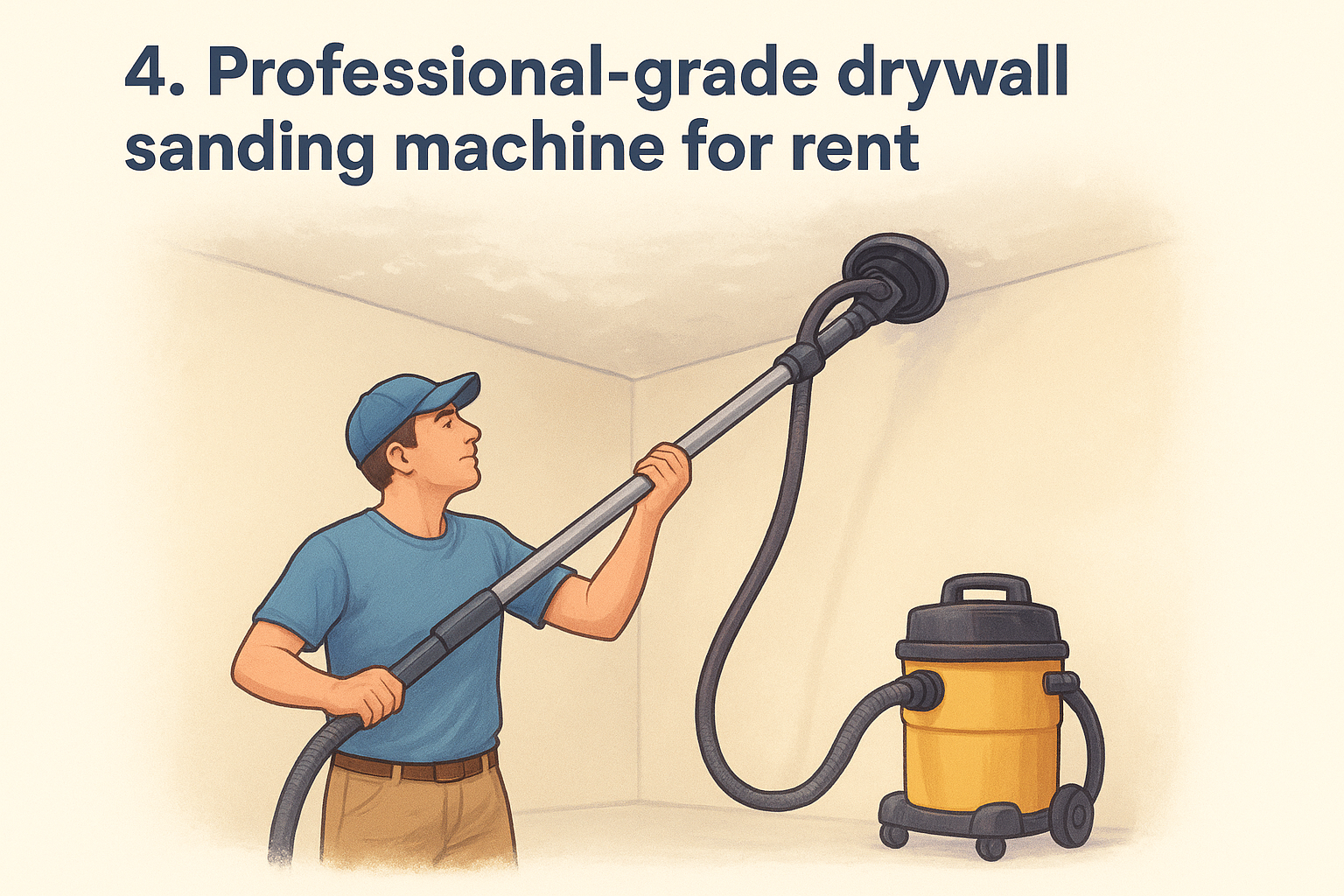
Rental centers like Home Depot and Sunbelt Rentals stock heavy-duty sanding rigs built for whole-house drywall jobs, not just a single ceiling. These units pull double duty as a ceiling popcorn removal machine and finish-sander, with a long-reach pole head and an attached vacuum hose that runs to a separate dust collector on wheels.

How it works

You glide the pole-mounted sanding head across the ceiling while a powerful external motor pulls dust through the hose into a sealed canister, keeping your work area far cleaner than a handheld sander manages alone. The extended pole means you skip the ladder for most of the ceiling.

Renting the same rig contractors use gets you professional results, but only if you're comfortable managing a machine built for job sites, not living rooms.

Best for

Homeowners tackling multiple rooms or an entire house who want contractor-grade speed without buying equipment they'll use once.

Price range

Daily rental runs $50 to $90, with weekly rates around $150 to $250, which is worth weighing against DIY versus pro removal pricing per square foot.

Pros and cons

  • Pro: Covers large ceilings fast with minimal ladder work
  • Pro: Superior dust containment versus consumer tools
  • Con: Heavy and awkward for first-time users
  • Con: Rental fees add up on multi-day projects

5. Shop-vac dustless vacuum scraper attachment

This attachment mounts a wide, flat scraper blade directly onto the nozzle of a standard shop-vac hose, creating a sealed skirt around the working edge so dust gets pulled in before it ever hits the air. It's a step up from the basic vacuum-attached scraper in item one, with a tighter seal designed to handle bigger ceiling sections in fewer passes. For anyone comparing a ceiling popcorn removal machine against a full sander, this attachment sits in the middle: less aggressive than sanding, more contained than a bare blade.

How it works

You connect the attachment to your shop-vac hose, press the sealed head against the ceiling, and drag it across the texture in overlapping strokes while the vacuum runs continuously. The sealed skirt design keeps suction concentrated right at the blade edge, which catches more debris than an open-hose setup.

The tighter the seal around the blade, the less dust ends up on your ladder instead of in the canister.

Best for

Homeowners covering a full ceiling who want better containment than a basic scraper without renting a full sanding rig.

Price range

Attachments cost $40 to $90, depending on head width and build quality.

Pros and cons

  • Pro: Better dust seal than open scraper attachments
  • Pro: No motor to maintain beyond your existing shop-vac
  • Con: Requires a shop-vac with strong suction to work well
  • Con: Slower than sanding on thick texture

Finding the right fit for your ceiling project

Matching the tool to your ceiling matters more than chasing the fanciest machine on the list. A vacuum-attached scraper handles a single small room fine, while a rented sanding rig makes sense once you're covering multiple ceilings and want contractor-grade speed. Budget, texture thickness, and whether your ceiling is painted all decide which option actually saves you time instead of creating a bigger cleanup job.

Here's the line every homeowner should know: none of these machines are safe for texture that hasn't been tested for asbestos. Homes built before 1980 carry real risk, and cutting into that material with a sander or scraper releases fibers no shop-vac filter catches. If your ceiling hasn't been tested, or you'd rather skip the ladder work entirely, you can have our licensed crew remove your popcorn ceiling cleanly, with testing available first when needed. Thirty years of Sacramento Valley ceilings taught us that shortcut costs more than it saves.

Recent Posts

By cinchweb September 10, 2026
Learn drywall repair how to fix nail holes, cracks, and big holes step by step, plus when to call Super Shooters for asbestos or larger jobs.
By cinchweb September 9, 2026
Learn how to remove old wallpaper with DIY supplies, scoring tips, and solutions, plus when to call Super Shooters for drywall repair.
By cinchweb September 7, 2026
Compare 7 ways to hire a drywall installation service, from contractors to handymen, with pricing and vetting tips for Sacramento Valley homeowners.
By cinchweb September 6, 2026
Compare 5 sheetrock drywall repair kit picks by hole size, price, and where to buy, plus when to call a pro instead of DIY patching.
By cinchweb September 5, 2026
Learn how to patch anchor holes in drywall step by step, remove anchors, fill, sand, and paint for a seamless, invisible repair.
By cinchweb September 4, 2026
Compare popcorn ceiling removal contractors by cost, asbestos testing, and expertise to pick the right fit for your Sacramento Valley home.
By cinchweb September 4, 2026
See real stucco ceiling removal cost breakdowns, a worked Elk Grove example, DIY vs pro pricing, and tips to save on your Sacramento Valley project.
By cinchweb September 4, 2026
Learn corner bead drywall installation step by step, tools, cutting, mudding, and sanding tips, or call Super Shooters for expert Sacramento Valley help.
By cinchweb September 2, 2026
See what drives ceiling drywall repair cost in 2026, from texture matching to asbestos risks, plus Sacramento Valley price ranges to check your quote.
Show More