August 28, 2026
Top 5 Ceiling Popcorn Removal Tools for a Dust-Free DIY
Standing under a popcorn ceiling with a garden sprayer and a putty knife sounds simple until you're three hours in, covered in wet debris, and only a quarter of the room is done. Picking the right ceiling popcorn removal tool makes or breaks a DIY weekend, and the wrong choice turns a one-day job into a messy, week-long slog with drywall damage to patch afterward.
If you're searching for the best popcorn ceiling removal tool , the answer depends on your ceiling's condition, how much dust you can tolerate, and whether you're working solo or with help. Some scrapers cut mess with built-in vacuum attachments, while others rely on speed and blade design to strip texture fast without soaking the drywall underneath.
We've spent over 30 years pulling popcorn ceilings off homes across the Sacramento Valley, so we know which tools actually hold up and which ones just look good in a hardware store aisle. This list breaks down five options worth your money, from dustless scraping systems to sharper manual blades, plus tips on when even the best tool means it's time to call a professional instead.
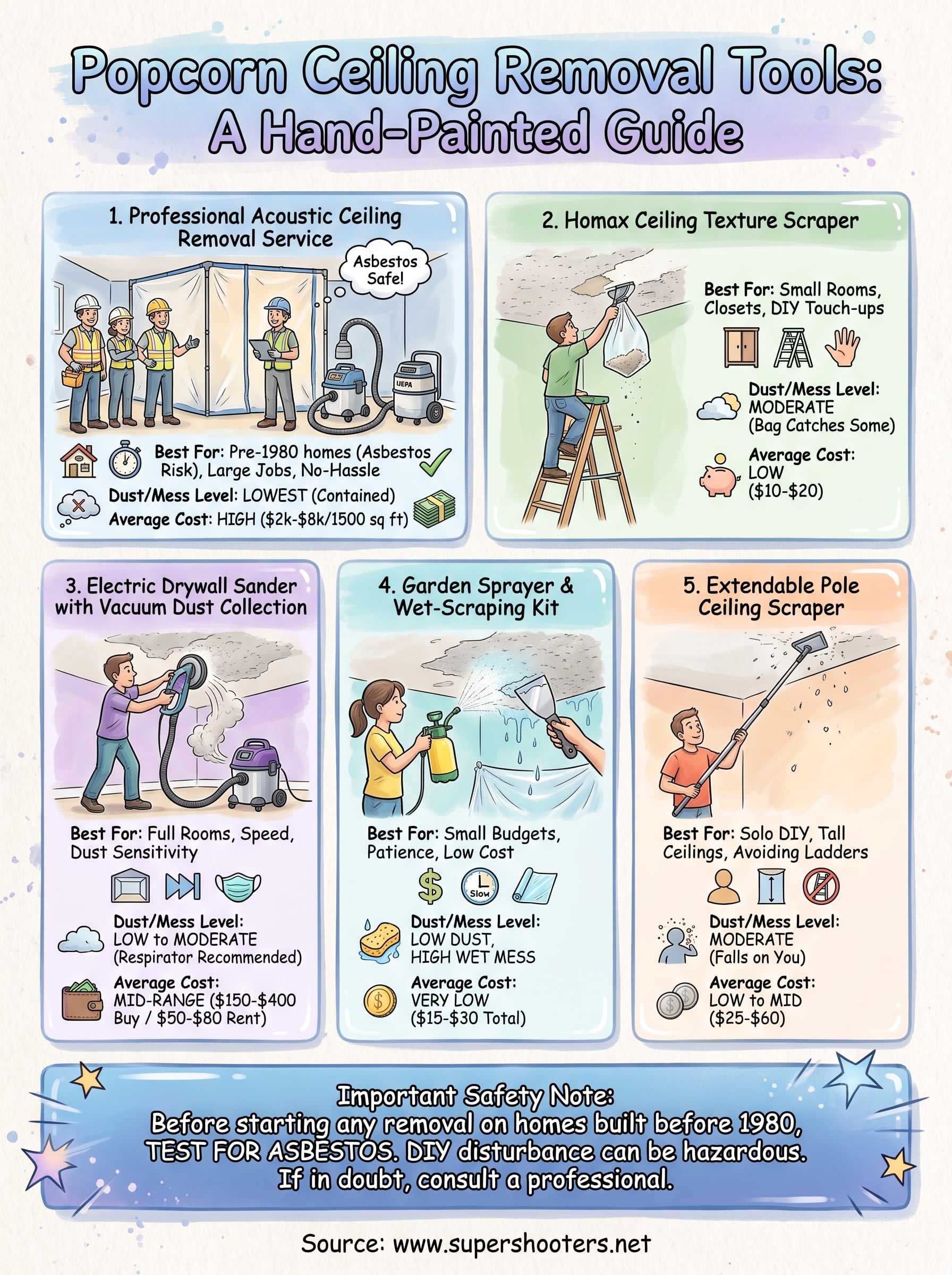
1. Professional acoustic ceiling removal service
Sometimes the smartest ceiling popcorn removal tool isn't a tool at all. It's a crew that shows up with commercial-grade equipment, containment plastic, and the training to spot asbestos before it becomes a health hazard. Homes built before 1980 often have acoustic ceilings mixed with asbestos fibers, and no scraper or sander sold at a hardware store is rated for safe asbestos ceiling removal in the Sacramento Valley. If your home falls into that window, testing the texture before anyone touches it isn't optional, it's the law in most states, and the EPA outlines why asbestos disturbance requires licensed handling.
How it works
Crews test a sample of your ceiling texture first, then either wet-scrape it by hand with commercial equipment or, if asbestos is present, follow strict abatement protocols with sealed containment and HEPA filtration. Our own acoustic ceiling removal process at Super Shooters covers both scenarios, since we're licensed for asbestos abatement as well as standard popcorn removal.
Best for
Homeowners with pre-1980 construction, large or multi-room jobs, or anyone who's already tried a DIY scraper and hit a wall. It also suits people who value their weekends more than they value saving a few hundred dollars.
Skip the guesswork on asbestos. A licensed crew protects your health in a way no scraper ever will.
Average cost
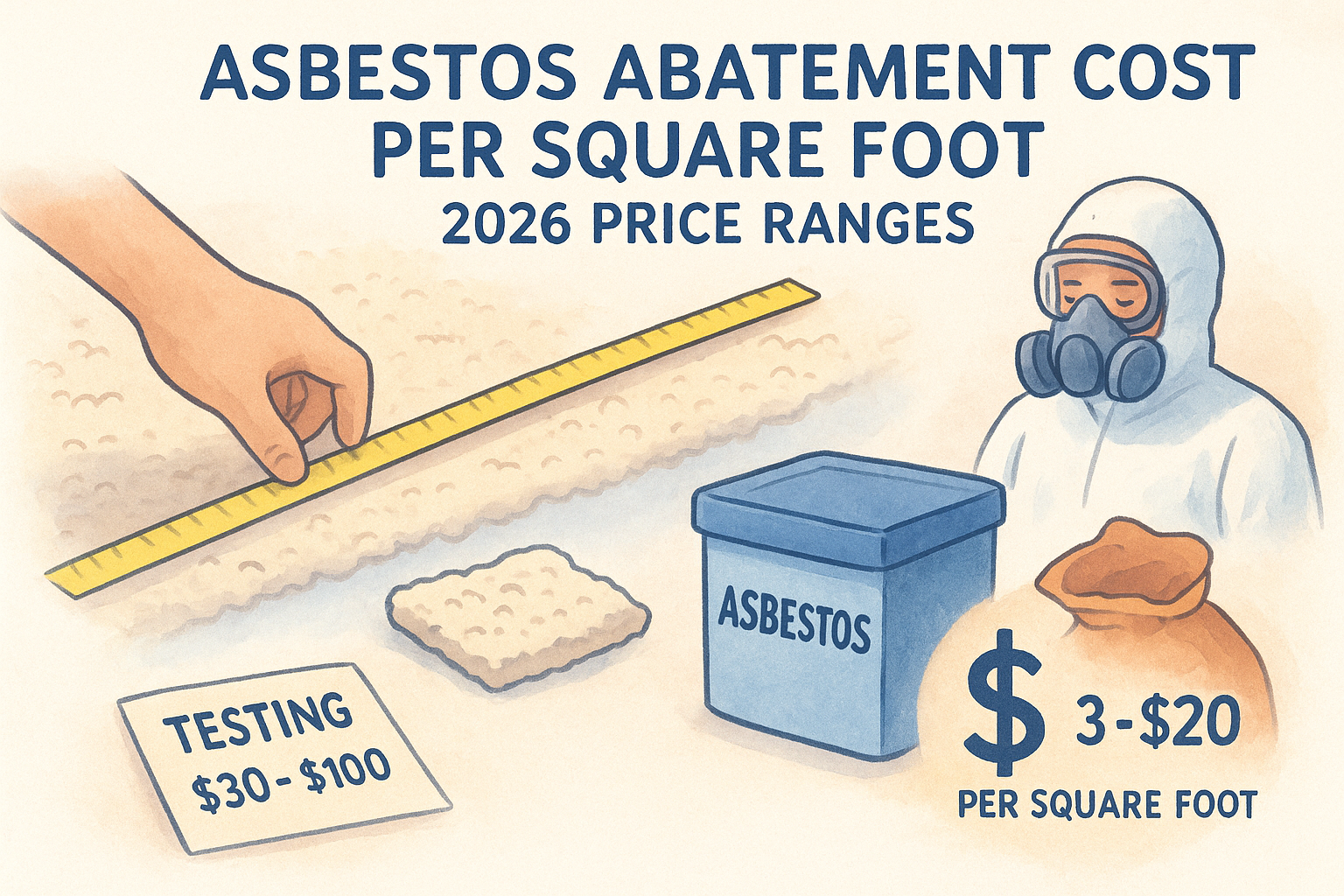
Expect $1 to $3 per square foot for standard popcorn removal, and $3 to $7 per square foot when asbestos abatement is involved, and you can see how DIY and pro rates compare by room size. A typical 1,500 square foot home lands somewhere between $2,000 and $8,000 depending on ceiling condition and texture thickness. We offer free in-home estimates so you know the real number before committing.
Dust and mess level
Professional jobs use containment barriers, plastic sheeting, and HEPA vacuums, so the mess stays contained to the work zone rather than spreading through your whole house. This is the lowest-mess option on this list by a wide margin, and it's the only one that fully removes the dust and disposal burden from your shoulders.
2. Homax ceiling texture scraper
The Homax ceiling texture scraper is the tool most DIYers picture when they think of stripping popcorn texture by hand. It's a simple bladed scraper attached to a bag that catches falling debris as you work, cutting down on the cleanup that usually follows a wet-scrape session. This popcorn ceiling removal tool costs less than $20 and shows up in nearly every hardware store's paint aisle, which makes it the default starting point for first-time DIYers.
How it works
You attach a mesh or fabric bag beneath the scraper blade, then drag the blade across dry or lightly misted texture. Debris falls straight into the bag instead of onto your floor and furniture, though you'll still need drop cloths for anything the bag misses.
Best for
Small rooms, closets, or single-ceiling touch-ups where a full electric drywall sander with vacuum dust collection setup feels like overkill. It suits homeowners comfortable with ladder work and repetitive hand motion.
A cheap scraper works fine for a closet ceiling, but don't expect it to survive a whole-house job.
Average cost
Expect $10 to $20 for the scraper and replacement blades, plus a few dollars for extra collection bags as they wear out.
Dust and mess level
Moderate. The bag catches most large chunks, but fine dust still escapes into the air, especially on dry texture.
3. Electric drywall sander with vacuum dust collection
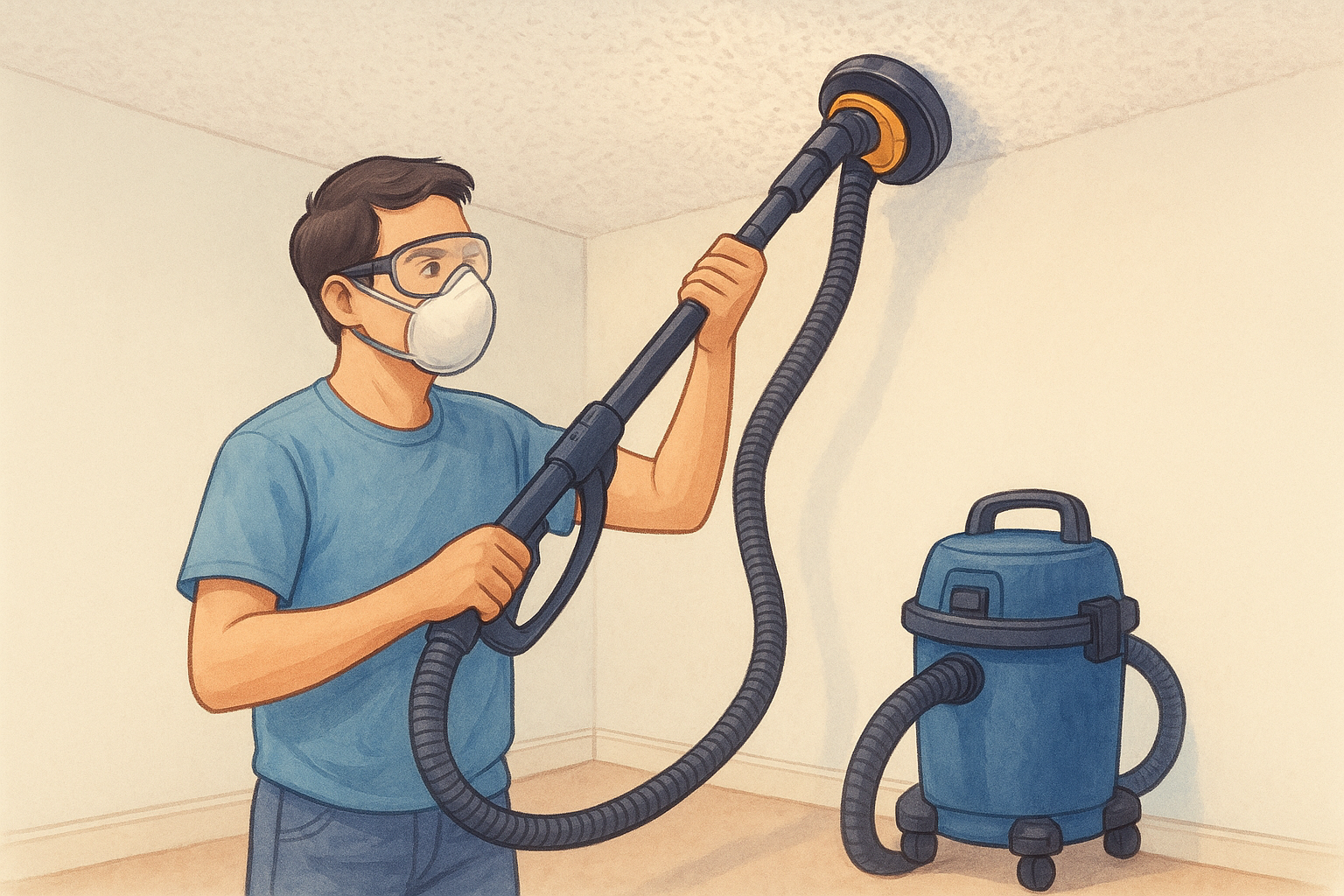
An electric drywall sander paired with a shop vac attachment turns this ceiling popcorn removal tool into the closest thing to a dustless popcorn ceiling removal tool you'll find outside a professional crew's toolkit. Models like the Porter-Cable 7800 or the ALEKO drywall sander connect a hose straight from the sanding head to a vacuum, pulling dust out of the air before it settles on your floors and furniture.
How it works
You run the sander's abrasive pad or blade across the texture while the attached vacuum sucks debris through a hose in real time, and our guide to dust-free vacuum scraping covers how to match suction to your blade. Some models include variable speed settings and swivel heads, which help you follow ceiling contours without gouging the drywall underneath.
Best for
Homeowners tackling a full room or two who want a popcorn ceiling removal tool automatic enough to speed up the job, without the overhead of hiring a crew. It suits anyone with mild dust sensitivities who still wants to handle the project themselves.
A vacuum-connected sander won't eliminate dust completely, but it keeps most of it out of your lungs and off your furniture.
Average cost
Expect $150 to $400 for a decent sander and vacuum combo, or $50 to $80 per day if you rent one from a hardware store instead of buying.
Dust and mess level
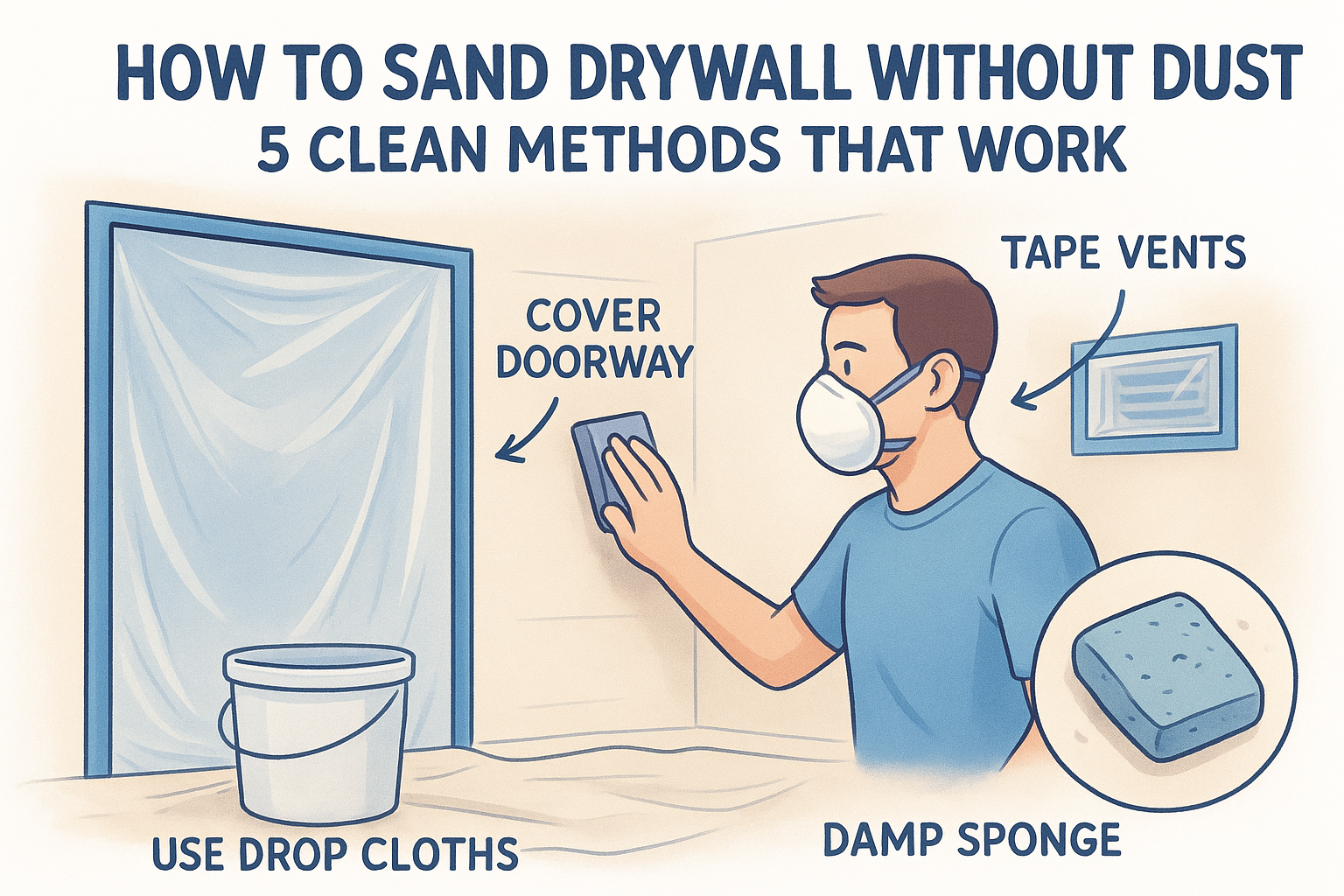
Low to moderate. Fine dust still escapes around the sanding head, so a respirator and drop cloths remain worth using.
4. Garden sprayer and wet-scraping kit
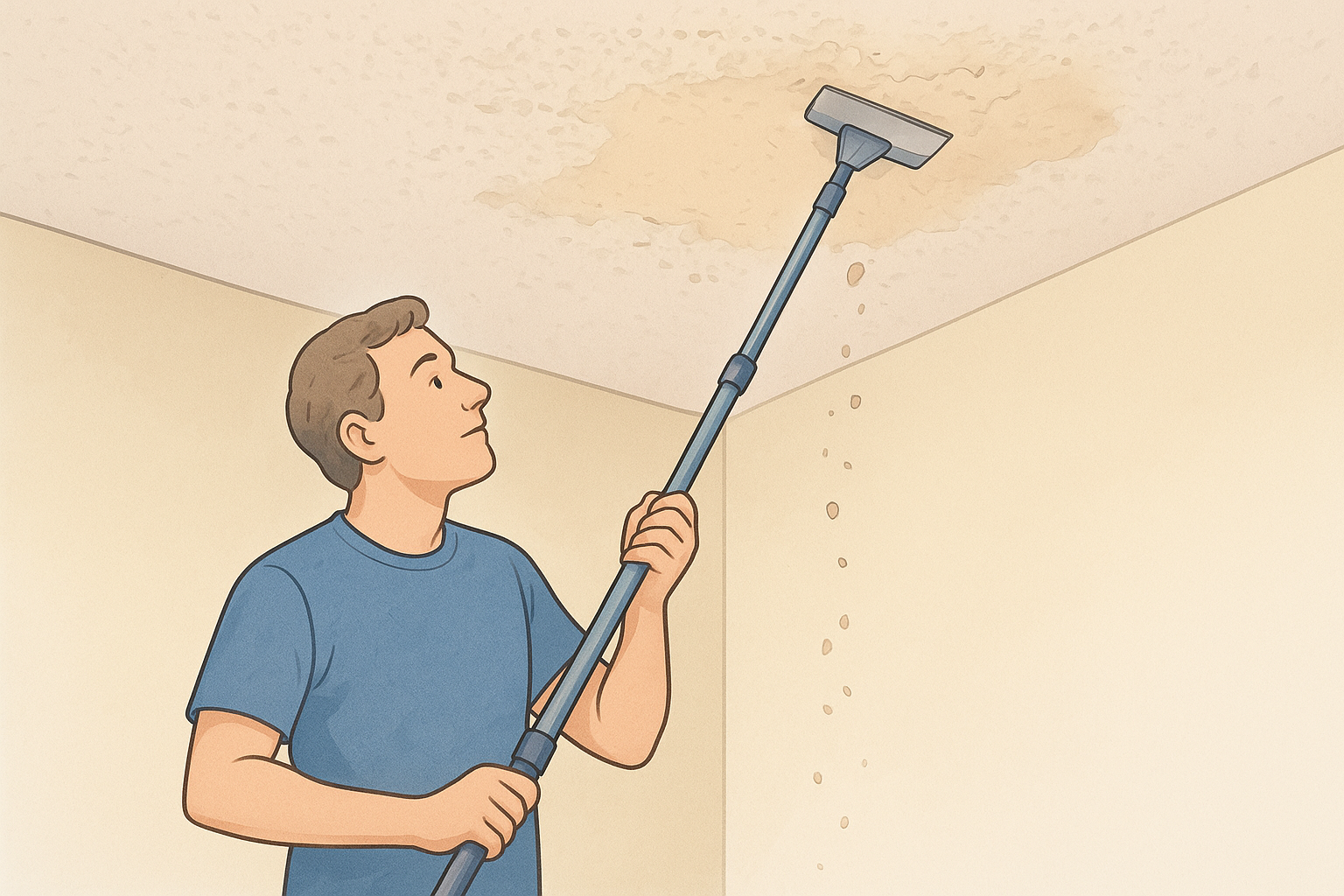
A garden sprayer filled with warm water and a wide putty knife is the classic budget approach to popcorn removal, and it still works if you're patient. This tool for popcorn ceiling removal softens the texture so it scrapes off in sheets instead of fighting you dry, which cuts down on airborne dust even without a vacuum attachment. It's the setup most people already picture when they imagine a weekend popcorn ceiling project.
How it works
You mist a small section of ceiling, let it soak for 10 to 15 minutes, then scrape while the texture is still damp. Working in small sections keeps the water from drying out before you get to it, which is the most common mistake first-timers make.
Best for
Smaller budgets and homeowners willing to trade speed for low cost. It suits anyone comfortable spending a full weekend on one or two rooms rather than knocking out a whole house fast.
Wet scraping trades speed for savings, and it only pays off if you're patient enough to work in small sections.
Average cost
Expect $15 to $30 total for a garden sprayer, a few scraper blades, and plastic sheeting to protect your floors.
Dust and mess level
Low dust, but high wet mess. Water and wet texture drip everywhere, so old towels and sealing off the room with plastic are non-negotiable.
5. Extendable pole ceiling scraper
An extendable pole ceiling scraper solves the ladder problem that makes every other popcorn ceiling removal tool exhausting to use for more than an hour. Instead of climbing up and down to reposition yourself under a low ceiling, you stand on the floor and push a long-handled scraper head across the texture above you. Brands like Warner and Wagner sell telescoping versions that extend from about four feet to over ten feet, which covers most standard residential ceiling heights without a ladder in sight.
How it works
You attach a scraper or sanding head to a threaded pole, then sweep it across the ceiling in overlapping passes while standing at floor level. Some heads swivel to match ceiling angles, and a few models pair with a dust collection bag or hose for a lower-mess version of the same motion.
Best for
Homeowners working alone, taller ceilings where ladder work slows everything down, and anyone with balance or mobility concerns that make repeated climbing risky.
A pole scraper trades a little control for a lot less ladder time, and for solo DIYers that trade is usually worth it.
Average cost
Expect $25 to $60 for a quality telescoping pole and scraper head combo, with replacement blades running a few dollars each.
Dust and mess level
Moderate. Working overhead means falling debris lands on you and the floor below more than with handheld methods, so eye protection and floor coverage matter even more here.
Picking the right approach for your ceiling
Every tool on this list gets popcorn texture off a ceiling, but your ceiling popcorn removal tool choice should match your ceiling's age, your patience, and your tolerance for dust. A garden sprayer works fine for a small guest room. A pole scraper saves your knees on tall ceilings. An electric sander with vacuum collection speeds things up if you're covering multiple rooms. None of that matters, though, if your home was built before 1980 and you haven't taken a texture sample safely to rule out asbestos first.
That's the line where DIY tools stop being the smart choice. Scraping blind into asbestos fibers isn't a risk worth the money you'd save on a weekend project. If your ceiling falls into that window, or you'd rather skip the ladder work entirely, book a free popcorn ceiling removal estimate and let a crew that's handled this exact job for over 30 years take it from here.