September 14, 2026
Drywall Ceiling Installation Cost: What You'll Pay per Square Foot
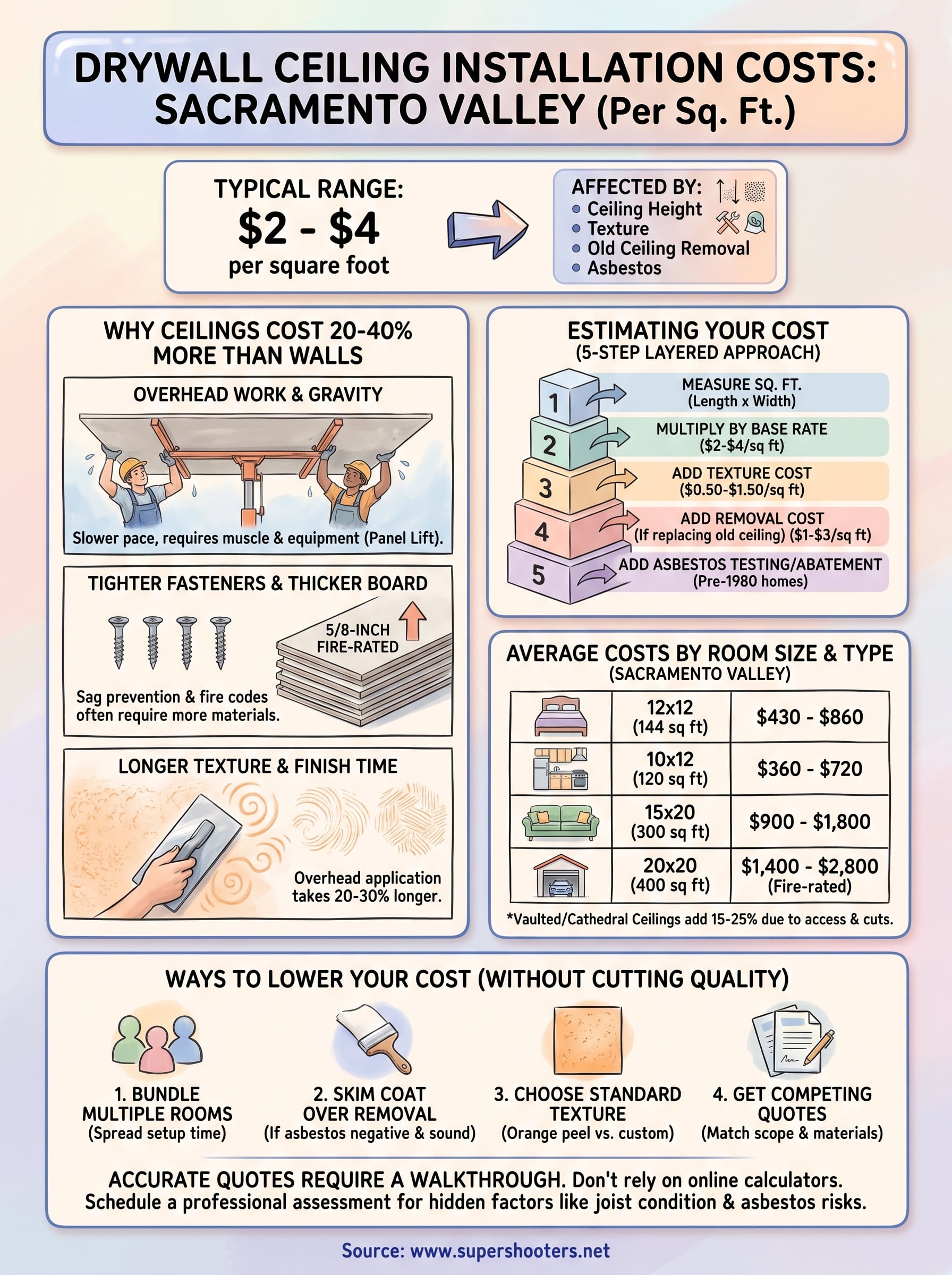
If you're planning a ceiling project, you're probably staring at a blank budget and wondering what drywall ceiling installation cost actually looks like once labor, materials, and finishing get added up. Most Sacramento Valley homeowners pay between $2 and $4 per square foot for standard installation, though that number swings based on ceiling height, texture, and whether you're removing an old popcorn ceiling first. Prices quoted online rarely match what a crew charges once they see your actual space.
This article breaks down exactly what drives that per-square-foot price, from board thickness and material grade to labor rates and the extra costs tied to asbestos testing or removal in older homes. You'll see real cost ranges instead of vague averages, so you can compare quotes with confidence.
We've pulled these figures from over 30 years of installing and repairing ceilings across Sacramento, Roseville, Folsom, and the surrounding valley, so the numbers reflect actual local jobs, not national estimates that don't account for regional labor costs or building codes. By the end, you'll know what questions to ask before you sign a contract.
Why drywall ceilings cost more than walls to install
Most first-time renovators assume ceiling and wall drywall cost the same per square foot. They don't. Ceiling installation typically runs 20% to 40% higher than wall work, and once you understand the physical demands of the job, that gap makes sense.
Working overhead changes everything
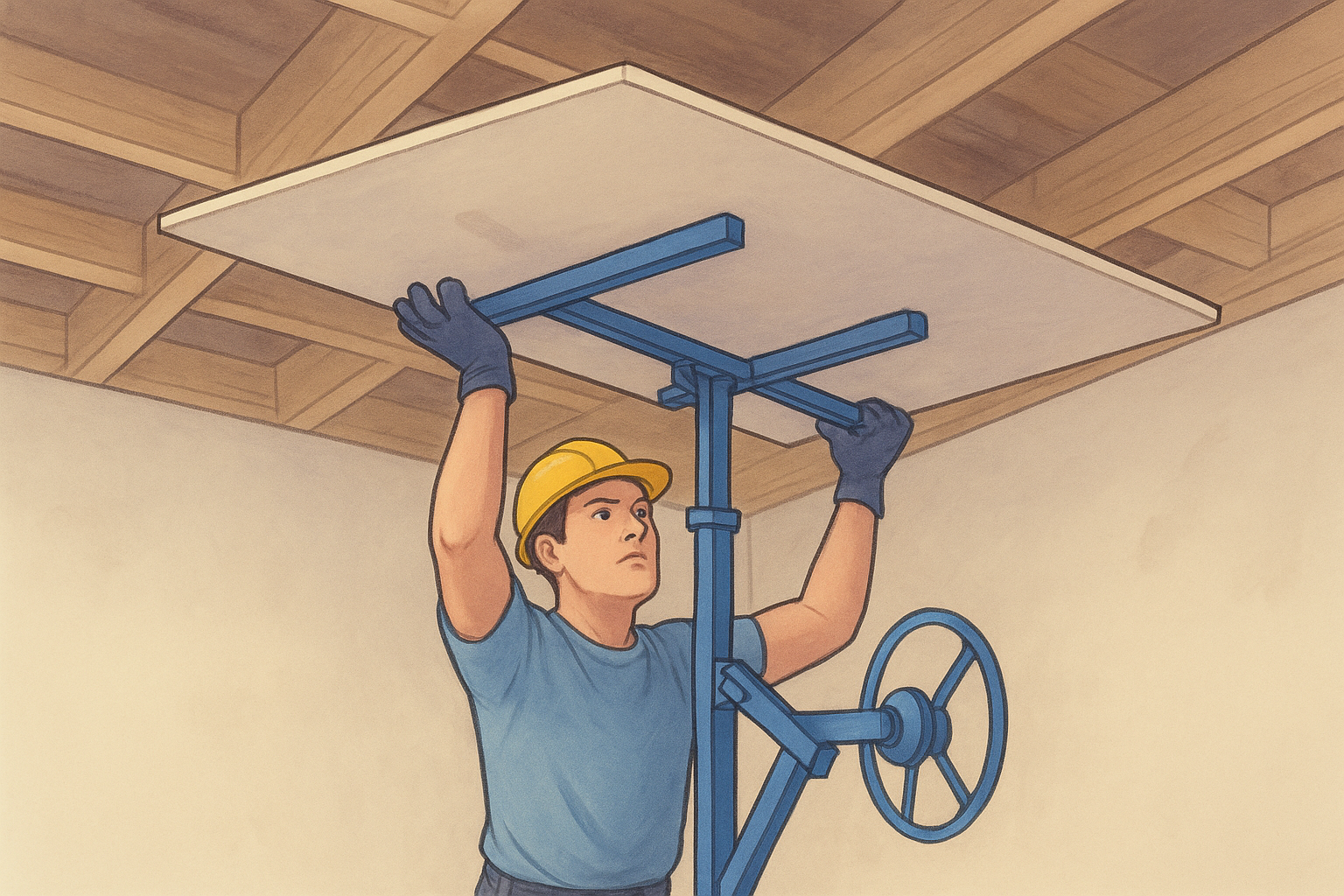
Gravity works against every crew member on a ceiling job. Installers hold heavy drywall sheets overhead while positioning screws, which slows the pace dramatically compared to vertical wall panels that lean against studs on their own. A standard 4x8 sheet of half-inch drywall weighs around 57 pounds, and holding that weight above your head while aligning it with joists takes real muscle and coordination. Most crews use a panel lift or drywall jack to manage this, the same tool behind hanging ceiling drywall like a pro, and renting or owning that equipment adds cost that homeowners rarely see itemized on a quote.
Ceiling drywall costs more because every board fights gravity, not because the material itself changes.
Fastening and support requirements differ
Ceiling boards need more fasteners per square foot than wall boards do, since sagging is a real risk if screws are spaced too far apart. Building codes in most Sacramento Valley jurisdictions require closer joist spacing or thicker board (5/8-inch instead of 1/2-inch) for ceiling applications, especially in garages and areas prone to moisture. Contractors also frequently use 5/8-inch fire-rated drywall on ceilings between living spaces and garages, which costs more per sheet than standard board and takes longer to cut and hang.
Texture and finish work adds labor hours
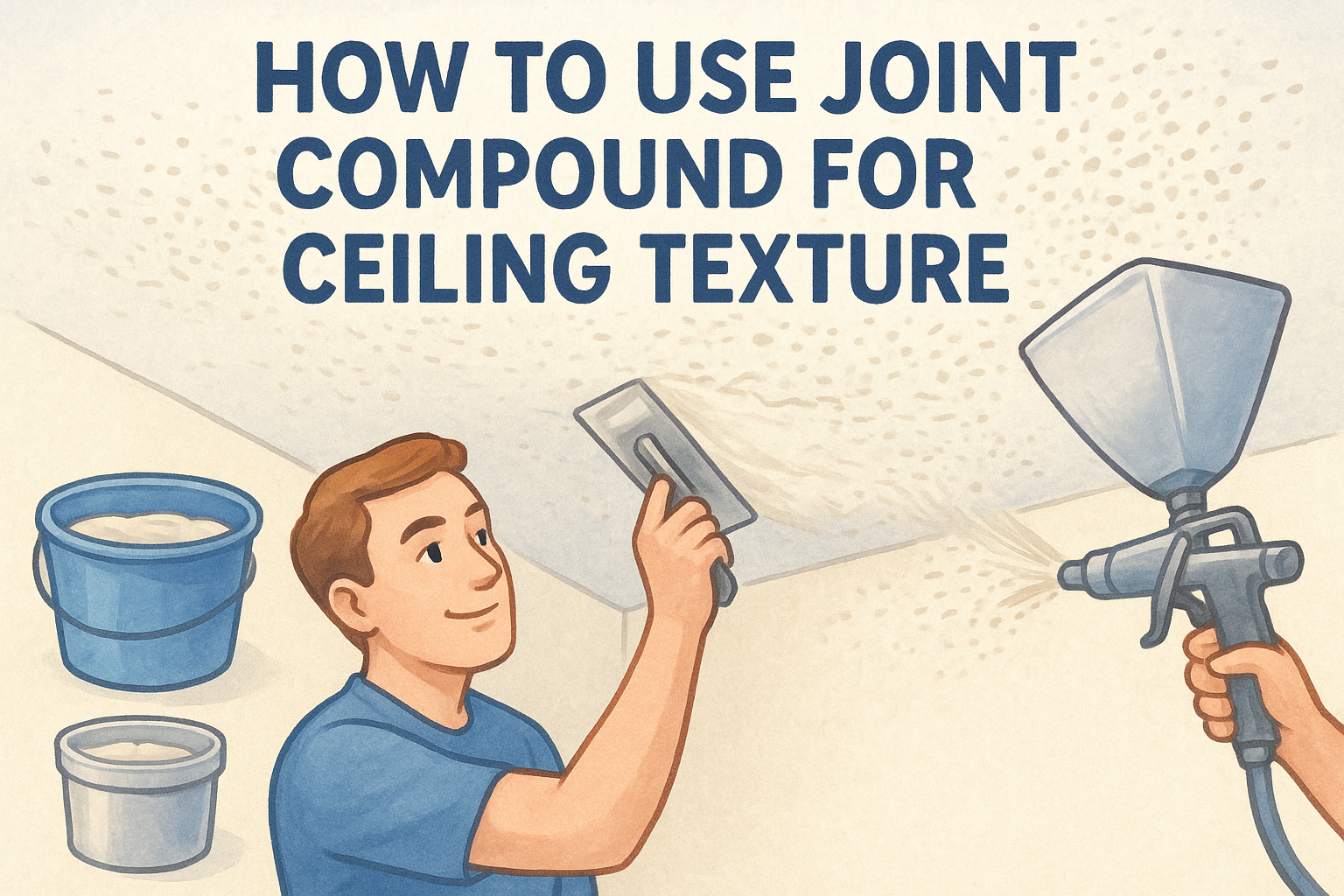
Sacramento ceilings often carry a mudded texture, whether that's a light orange peel, knockdown, or a smooth skip trowel finish. Applying texture to a ceiling takes noticeably longer than the same finish on a wall, since the crew works overhead the entire time and needs multiple coats to hide seams properly. Getting a flat, even ceiling texture without visible seams or lap marks takes an experienced hand, which is why professional ceiling texturing in Sacramento shows up as a higher labor rate.
Removal and disposal costs stack on top
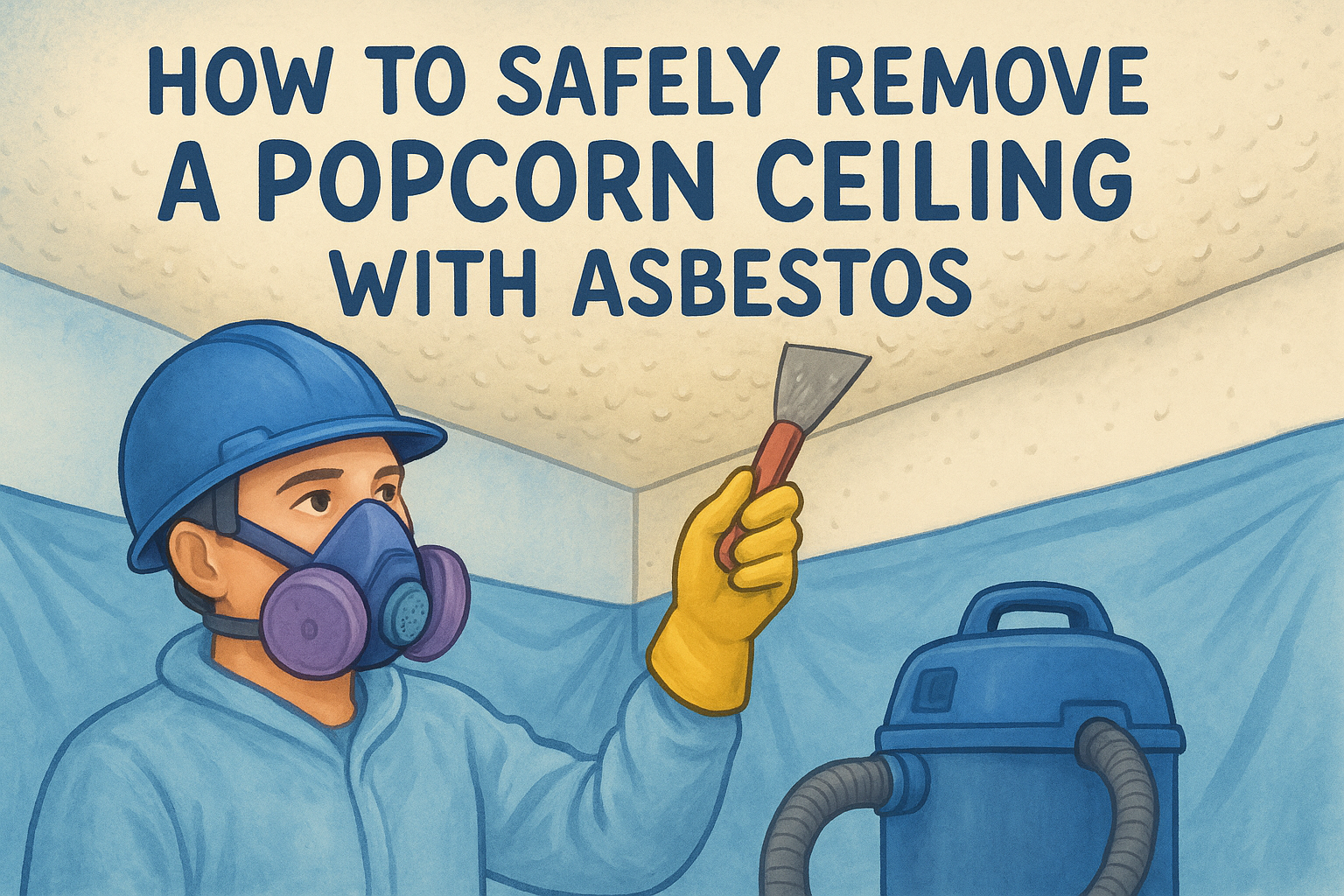
If you're replacing an old acoustic or popcorn ceiling, acoustic ceiling removal happens before any new drywall goes up, and that's a separate cost entirely. Homes built before the 1980s often have popcorn ceilings that test positive for asbestos, which means the job shifts from a simple scrape-and-haul to a regulated ceiling asbestos removal process with containment, specialized equipment, and proper disposal. Skipping this step, or hiring someone who doesn't test first, creates liability that costs far more than the abatement itself down the road.
| Cost Factor | Wall Drywall | Ceiling Drywall |
|---|---|---|
| Labor speed | Faster, gravity-assisted | Slower, overhead work |
| Board thickness | 1/2-inch typical | 5/8-inch common (fire code) |
| Fastener spacing | Standard | Tighter, sag prevention |
| Equipment needed | Minimal | Panel lift often required |
| Texture time | Standard | 20-30% longer |
Understanding these differences before you call around for quotes helps you spot a lowball bid that skips steps a licensed contractor wouldn't skip.
How to estimate your drywall ceiling installation cost
Grab a tape measure before you call anyone. Multiplying length by width gives you the square footage of your ceiling, and from there you can calculate how much drywall you need by the sheet, which is the starting point every contractor uses to build a quote. A 12x15 room, for example, comes out to 180 square feet, which at the typical Sacramento Valley range of $2 to $4 per square foot lands somewhere between $360 and $720 for standard installation alone, before texture or removal costs enter the picture.
Build your estimate in layers
Start with the base square footage, then add each cost driver on top rather than trying to guess one blended number. This step-by-step approach keeps you from underestimating what a full ceiling replacement actually runs.
- Measure square footage (length x width)
- Multiply by base install rate ($2-$4/sq ft)
- Add texture cost ($0.50-$1.50/sq ft depending on style)
- Add removal cost if replacing an old ceiling ($1-$3/sq ft)
- Add asbestos testing/abatement if the home predates 1980
Skipping any one of these five steps is why online calculators never match a real contractor's number.
Account for ceiling height and access
Height changes labor time more than most homeowners expect. Standard 8-foot ceilings let a crew work off ladders or short scaffolding, but vaulted or high ceilings above 10 feet require taller scaffolding, extra safety precautions, and slower panel handling, which typically adds 15% to 25% to labor cost. Sloped or vaulted sections also mean more cuts and waste, since standard sheets don't fit clean angles the way they do on a flat plane.
Don't forget hidden prep costs
Older homes rarely have a clean, ready-to-drywall ceiling waiting underneath. Existing electrical boxes, insulation that needs to come down and go back up, and structural repairs to damaged joists all add line items a rough per-square-foot number won't capture. Requesting a detailed written estimate rather than a phone quote is the only reliable way to see these costs before work starts, and it's exactly what our team walks through during a free in-home consultation.
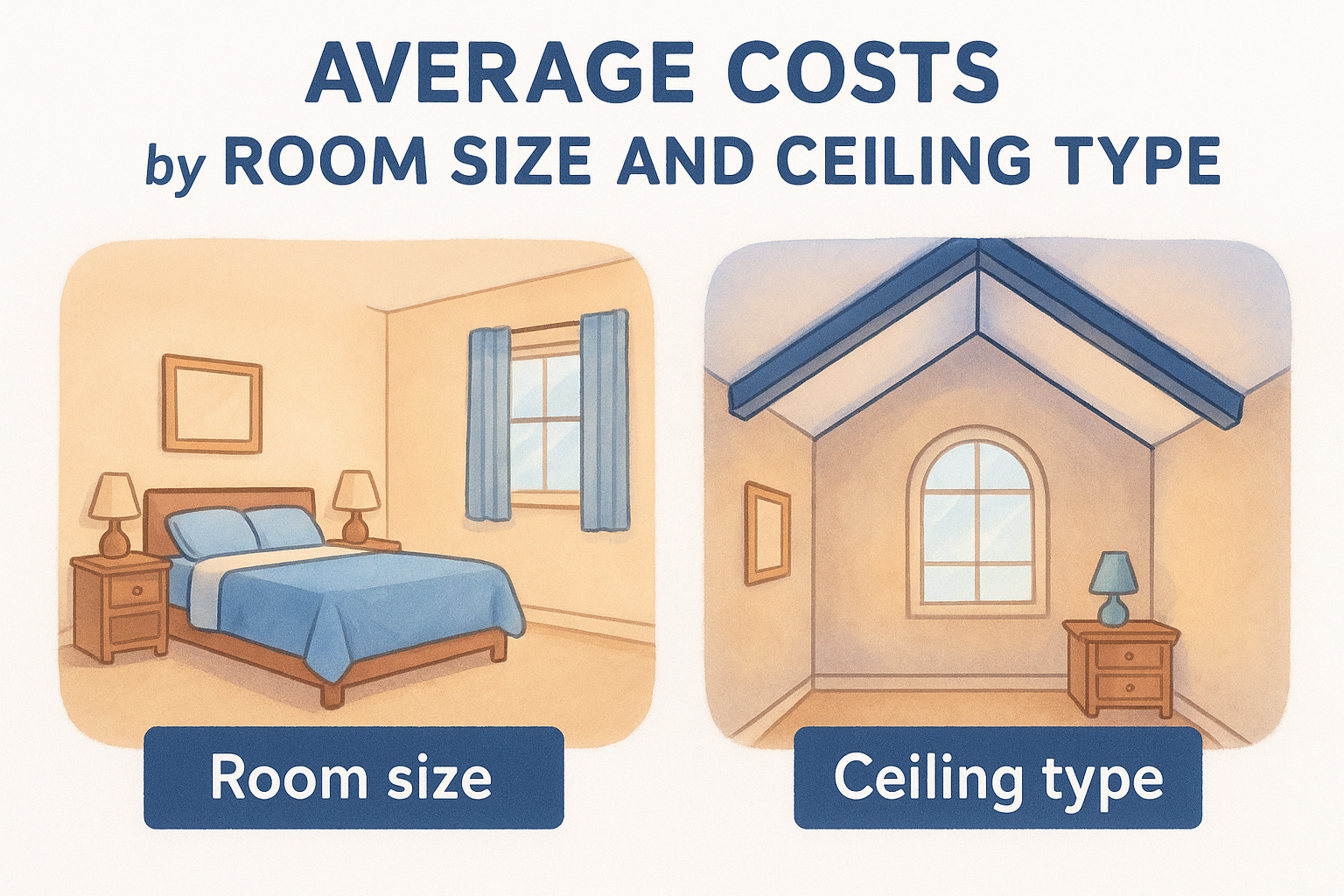
Average costs by room size and ceiling type
Once you understand what drives the price, the next question is simple: what does a real project actually cost? Room size and ceiling type together determine your final number more than any single factor on its own, so let's look at what typical Sacramento Valley jobs run once everything is factored in.
Typical room-by-room pricing
Bedrooms and small offices sit at the low end of the range because they're quick to access and rarely need scaffolding. Larger open spaces like living rooms and great rooms cost more overall, even at the same per-square-foot rate, simply because there's more surface to cover and more seams to finish.
| Room / Space | Approx. Square Footage | Estimated Cost Range |
|---|---|---|
| Bedroom (12x12) | 144 sq ft | $430 - $860 |
| Kitchen (10x12) | 120 sq ft | $360 - $720 |
| Living room (15x20) | 300 sq ft | $900 - $1,800 |
| Two-car garage (20x20) | 400 sq ft | $1,400 - $2,800 |
| Whole-house average (1,800 sq ft home) | 1,600 sq ft ceilings | $4,800 - $9,600 |
Ceiling type matters as much as square footage
Garage ceilings often cost more per square foot than living space ceilings, even though the finish looks simpler, because building code usually requires fire-rated 5/8-inch board between the garage and any living area above or beside it, which is reflected in garage drywall installation prices per square foot. Vaulted and cathedral ceilings push costs even higher, since the angled cuts and taller reach add labor hours that a flat 8-foot ceiling never requires. Standard textured ceilings, the most common style across older Sacramento Valley homes, land in the middle of the range and depend heavily on whether you want a light orange peel or a heavier knockdown finish.
The ceiling type you choose can shift your total price by hundreds of dollars before a single sheet goes up.
Homeowners planning an ADU drywall build or garage conversion should expect the higher end of these ranges, since those spaces almost always require fire-rated board and often need full insulation work done at the same time. If your project touches multiple ceiling types under one roof, ask your contractor for a room-by-room breakdown rather than a single blended average, so you can see exactly where the money goes.
Ways to lower your drywall ceiling installation cost
Cutting corners on materials isn't the answer, but there are smart ways to reduce your total bill without sacrificing quality. Timing, project bundling, and honest communication with your contractor all shift the final number more than people expect, and none of them require a lower-grade board or rushed labor.
Bundle multiple rooms into one visit
Scheduling several ceilings at once, say a bedroom, hallway, and closet, spreads the crew's setup and travel time across more square footage, which lowers your effective per-foot rate. Contractors often quote a lower blended price for multi-room jobs because equipment like the panel lift only needs to go up once. If you're already planning one ceiling, ask what a whole-floor quote looks like before committing to a single room.
Combining rooms into one job almost always beats paying for separate setup fees on each one.
Skip full removal when the ceiling allows it
Not every old ceiling needs to come down. If a popcorn ceiling tests negative for asbestos and the surface is structurally sound, smoothing a textured ceiling with a skim coat over the existing texture can save the demolition and disposal costs entirely. This only works with a proper inspection first, so don't skip asbestos testing for popcorn ceilings to save money, since that's the one shortcut that backfires later.
Choose standard texture over custom finishes
A light orange peel or knockdown texture costs less in labor hours than a hand-applied skip trowel or smooth Venetian finish. If your ceiling drywall installation cost needs to stay low, ask your contractor which texture matches your existing rooms most closely, since a consistent standard finish often looks just as good at a lower price point.
Get competing quotes with matching scope
Request itemized bids from at least two contractors, and make sure each one covers the same square footage, board thickness, and texture. Comparing apples to apples exposes which quote is padded and which one is realistic. Our team offers a free in-home consultation so you can see the real numbers before deciding, with no upfront payment required until the work is done.
Getting an accurate quote for your ceiling
Every number in this article gives you a realistic starting point, but your exact drywall ceiling installation cost depends on details a tape measure and a phone call can't fully capture. Ceiling height, existing texture, joist condition, and whether asbestos testing is needed all shift the final price, sometimes by hundreds of dollars. Quotes that skip these questions usually miss something once the crew shows up.
Guessing at costs from a calculator only gets you so far. The fastest way to know what your specific ceiling will run is a walkthrough with someone who's measured thousands of them across the Sacramento Valley. We'll check joist spacing, existing texture, and any red flags for asbestos before quoting a number, and you won't pay anything until the work is finished. Schedule a free in-home consultation for ceiling and drywall installation in the Sacramento Valley and get a real, itemized number for your ceiling instead of another rough estimate.