September 24, 2026
Asbestos Abatement: What It Is and How the Process Works
If your Sacramento Valley home still has a popcorn ceiling or old acoustic texture, there's a real chance it contains asbestos. Asbestos abatement is the regulated process of testing, containing, and removing those materials so your family isn't breathing in fibers that cause serious lung disease. It's not a weekend DIY project, and knowing what's actually involved protects both your health and your wallet.
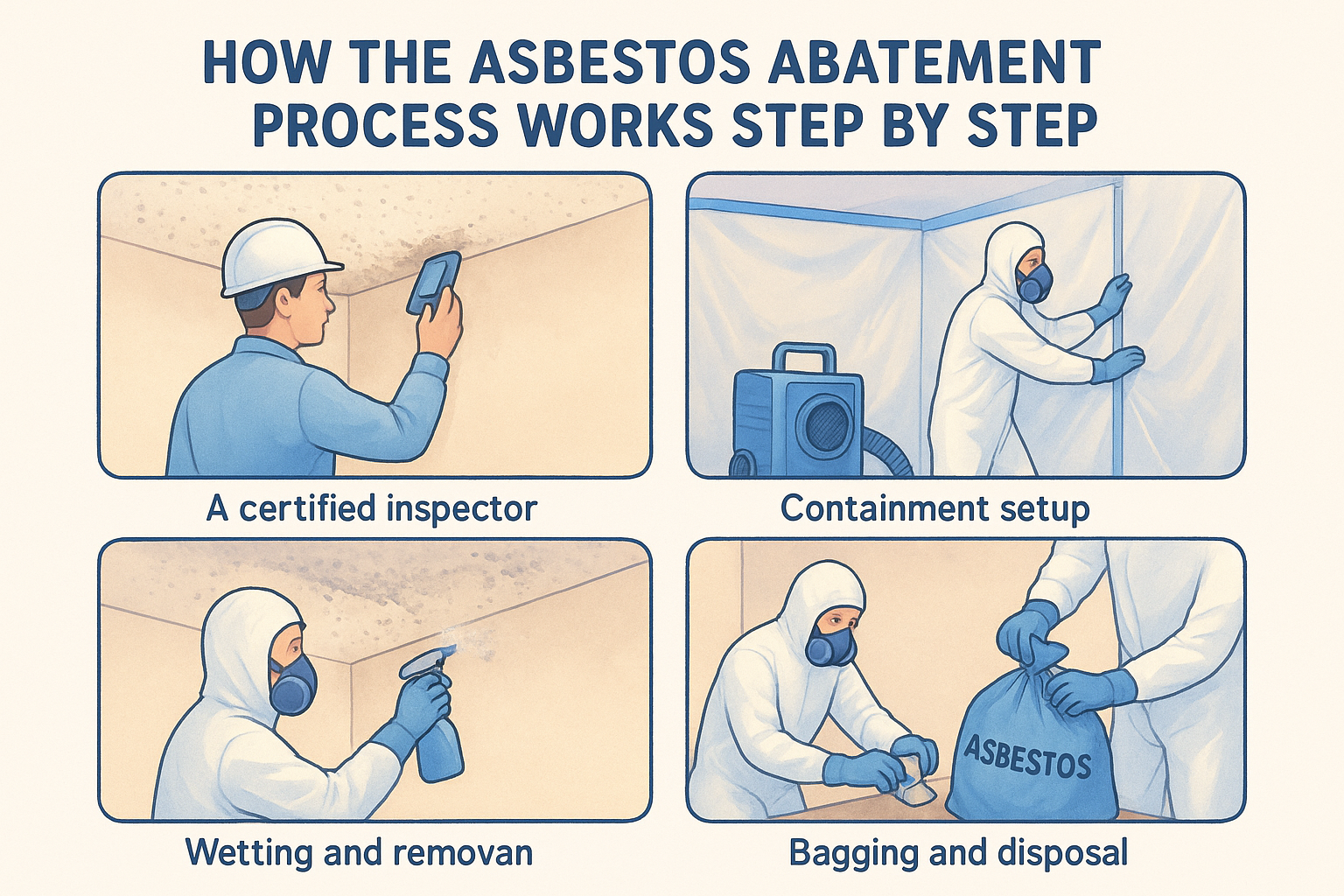
Abatement follows a specific sequence: a certified inspector tests samples, a containment area gets sealed off with plastic sheeting and negative air pressure, workers in full protective gear wet down and remove the material, and everything gets bagged, sealed, and disposed of at a licensed facility. Skipping any of these steps, or hiring someone without proper certification, can release fibers into your living space and turn a contained problem into a whole-house hazard.
We've handled asbestos-containing ceilings across the Sacramento Valley for over 30 years, so this article walks through each stage of the process, what licensed contractors are legally required to do, and the questions you should ask before letting anyone touch that ceiling. You'll leave knowing exactly what safe, compliant abatement looks like.
Why asbestos abatement matters for your home and health
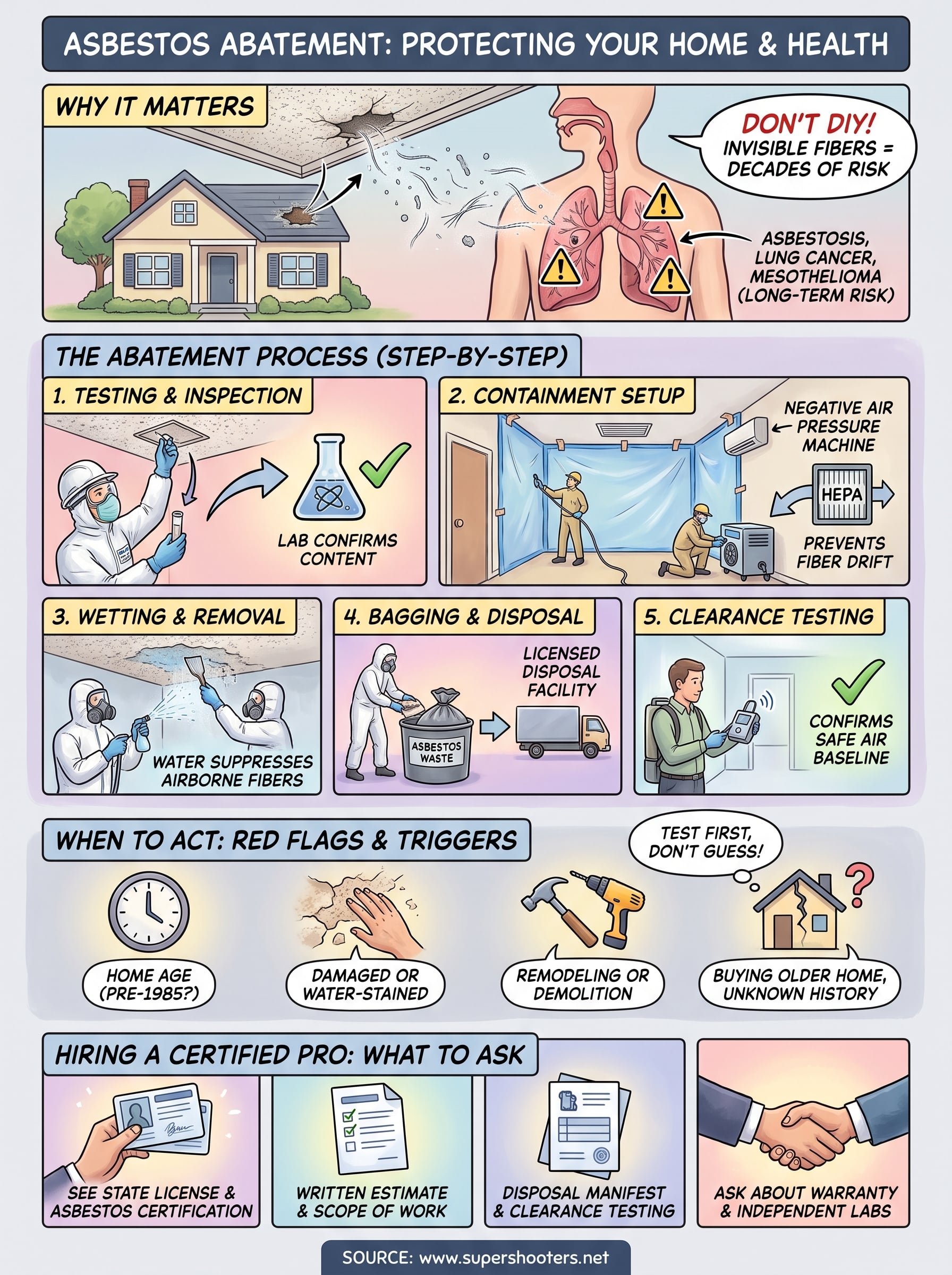
Asbestos fibers are microscopic, so you can't see or smell them once they're airborne. That's what makes disturbed acoustic ceilings and old texture so dangerous. Breathing in these fibers over time can lead to asbestosis, lung cancer, and mesothelioma, a rare cancer that has no cure and can take 20 to 50 years to show symptoms after exposure. The EPA classifies asbestos as a known human carcinogen, and there's no established safe level of exposure. Kids and older adults in your household face the highest risk because their lungs are more vulnerable to long-term damage from inhaled fibers.
A single afternoon of scraping the wrong popcorn ceiling can expose your whole household to fibers that stay in your lungs for decades.
Because the danger is invisible and delayed, homeowners often underestimate it until a renovation stirs up material that's been sitting undisturbed for 40 years. Undisturbed asbestos in good condition is generally low-risk, but the moment you drill, sand, scrape, or even bump a textured ceiling during a remodel, you can release enough fibers to contaminate an entire room. This is exactly why regulated asbestos abatement exists instead of a simple removal job you'd hire any handyman for.
Legal and liability exposure when you skip proper abatement
California treats asbestos work as a regulated activity, not a cosmetic upgrade. If your Sacramento Valley home was built before the mid-1980s, there's a strong chance the original ceiling texture or wall material contains asbestos, and disturbing it without proper testing and containment can violate state and federal air quality rules. Contractors who skip permits or dispose of material illegally face fines, and homeowners can be held liable too if they hired someone unlicensed. Selling a home later also gets complicated: California disclosure laws require you to reveal known asbestos hazards, and an improperly handled removal job can tank a sale or trigger a lawsuit from a buyer who later tests positive for contamination.
Insurance is another piece people overlook. Many homeowner policies exclude coverage for asbestos-related claims if the work wasn't performed by a licensed abatement contractor. That means a botched DIY removal doesn't just risk your health, it can leave you paying out of pocket for professional remediation, medical monitoring, and property cleanup after the fact.
How the asbestos abatement process works step by step
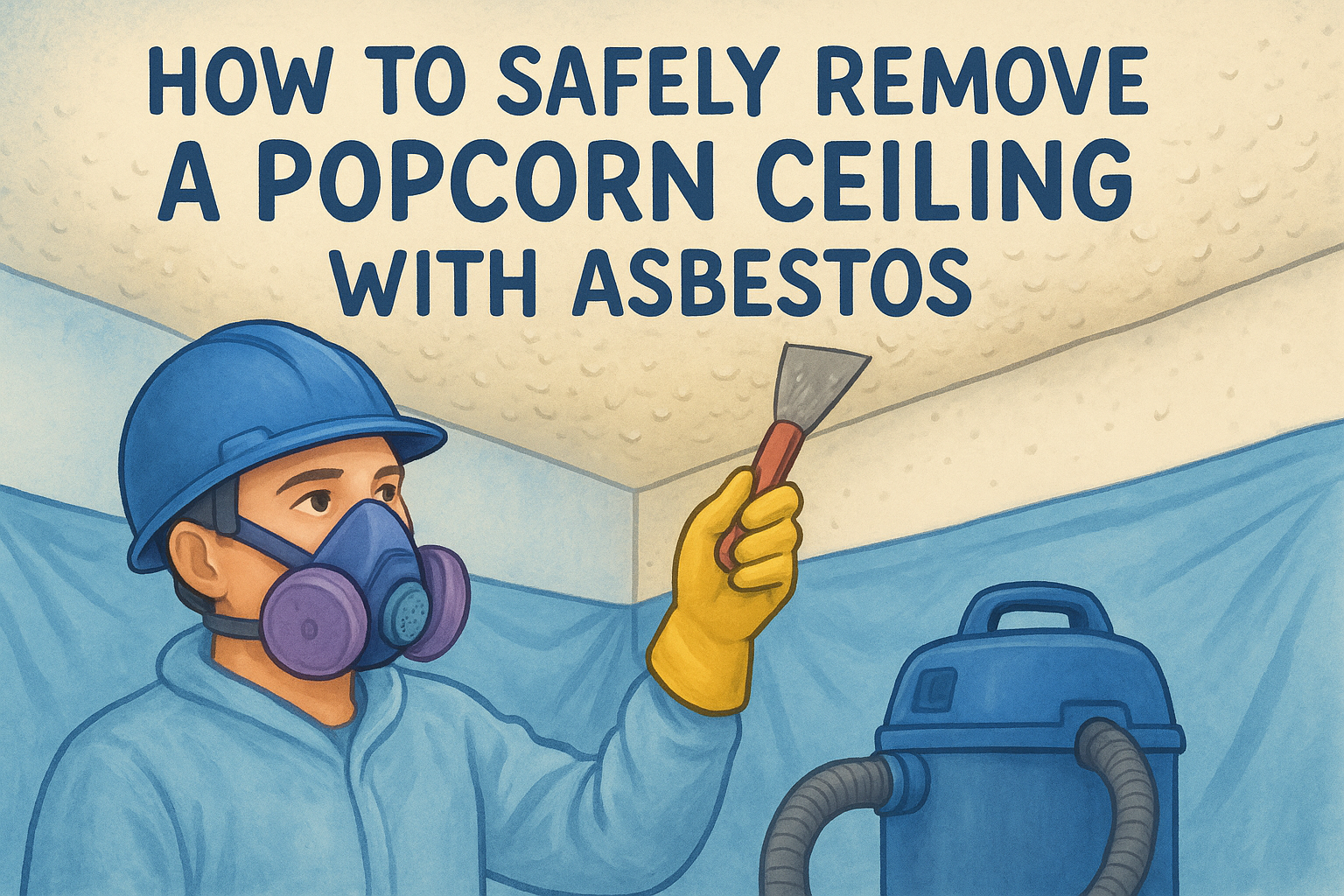
Every legitimate asbestos abatement job follows the same regulated sequence, whether it's a single garage ceiling or a whole-house popcorn removal, and the safe removal steps for an asbestos popcorn ceiling look the same either way. Skipping steps or reordering them is how fibers escape into your home, so a licensed contractor treats this process as non-negotiable rather than a checklist to speed through.
Abatement isn't one job, it's five separate safeguards working together, and removing even one turns a controlled process into a contamination risk.
Here's what happens on a typical job:
- Testing and inspection : A certified inspector collects samples from the suspect ceiling or wall material and sends them to an accredited lab. Nothing gets touched until results confirm asbestos content and type.
- Containment setup : Crews seal the work area with plastic sheeting, tape off vents, and set up negative air pressure machines with HEPA filtration so no fibers drift into the rest of the house.
- Wetting and removal : Workers in respirators and disposable suits mist the material with water to keep fibers from becoming airborne, then scrape or remove it in controlled sections.
- Bagging and disposal : Removed material goes straight into labeled, sealed asbestos waste bags and gets hauled to a licensed disposal facility, never a regular dumpster.
- Clearance testing : An independent air quality test confirms fiber levels are back to safe baseline before the containment barriers come down and you're cleared to reoccupy the space.
This sequence exists because each stage catches what the previous one might miss. Testing prevents unnecessary tear-outs, containment stops spread, wetting suppresses fibers at the source, and clearance testing gives you documented proof the air in your home is safe again.
Common signs your home may need asbestos abatement
Age is the biggest clue. If your Sacramento Valley home was built or last renovated before 1985, the popcorn ceiling, wall texture, or old plaster likely predates the 1989 EPA partial ban on asbestos products, and since the risk of asbestos in popcorn ceilings shifts with your build year, testing before touching anything is the safest move. Damaged or crumbling texture is another red flag worth checking. When ceiling material looks water-stained, flaking, or powdery, it's already breaking down and shedding fibers faster than intact material would.
If your ceiling texture is older than you are, assume it needs testing before anyone touches it.
Beyond age, watch for these situational triggers that often prompt homeowners to schedule an asbestos inspection or pull a ceiling sample for the lab the safe way:
- Planning a remodel, room addition, or ADU conversion that involves drilling or demolition
- Water damage or a roof leak that's softened or discolored ceiling texture
- Cracks from foundation settling that run through textured walls or ceilings
- Buying an older home where past renovation records are missing or incomplete
- A previous contractor who mentioned suspect material but never tested it
Documentation matters here too. Homes with permits, remodel records, or prior lab results showing asbestos-free materials carry far less risk than homes with no paper trail. If you're unsure which category yours falls into, a quick records search with Sacramento County or your city building department can save you an unnecessary test.
Ultimately, visual inspection alone can't confirm anything. Two ceilings can look identical while one contains asbestos and the other doesn't. That's why professional acoustic and textured ceiling removal projects always start with lab testing rather than a contractor's guess, no matter how experienced their eye is. If any of these signs match your home, treat it as a prompt to test, not a reason to panic.
What to expect when hiring an asbestos abatement contractor
Choosing the right ceiling removal contractor determines whether your abatement goes smoothly or turns into a costly mess. Before anyone sets foot in your home, ask to see their state contractor license and their separate asbestos certification, since California requires both for legal removal work. Super Shooters carries License No. 1077675 and has handled asbestos-containing ceilings across the Sacramento Valley for over 30 years, so you're never guessing whether the crew is qualified.
A contractor who can't produce both a license number and asbestos certification on request isn't someone you let near your ceiling.
The consultation and paperwork you should see
Expect to book a free in-home estimate where the contractor inspects the material, explains testing options, and gives you a written estimate before any work starts. Reputable companies won't ask for payment upfront, and Super Shooters doesn't collect a dime until the project is complete. You should also receive a written scope of work outlining containment methods, disposal procedures, and the timeline for clearance testing.
Questions worth asking before you sign anything
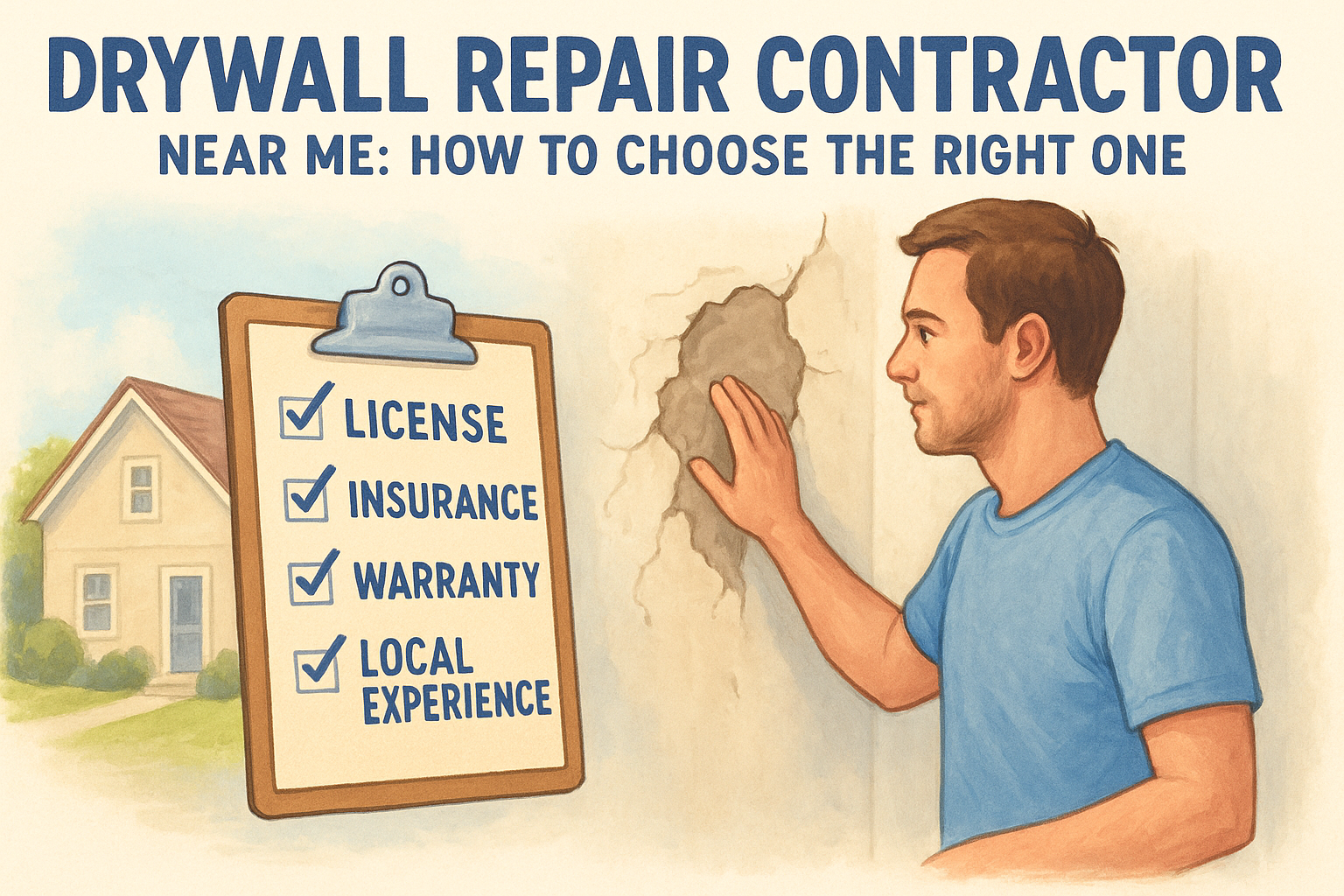
Run through this checklist during your consultation:
- Do you handle testing in-house or through an accredited third-party lab?
- What containment measures will you use for my specific layout?
- Where does the removed material get disposed of, and can I see the manifest?
- Who performs clearance air testing, and is it independent of your crew?
- Is a warranty included on the finished ceiling or wall work?
A contractor who answers these without hesitation, and backs their work with something like our Super Shield warranty, is one worth trusting with your home.
What affects the cost of asbestos abatement
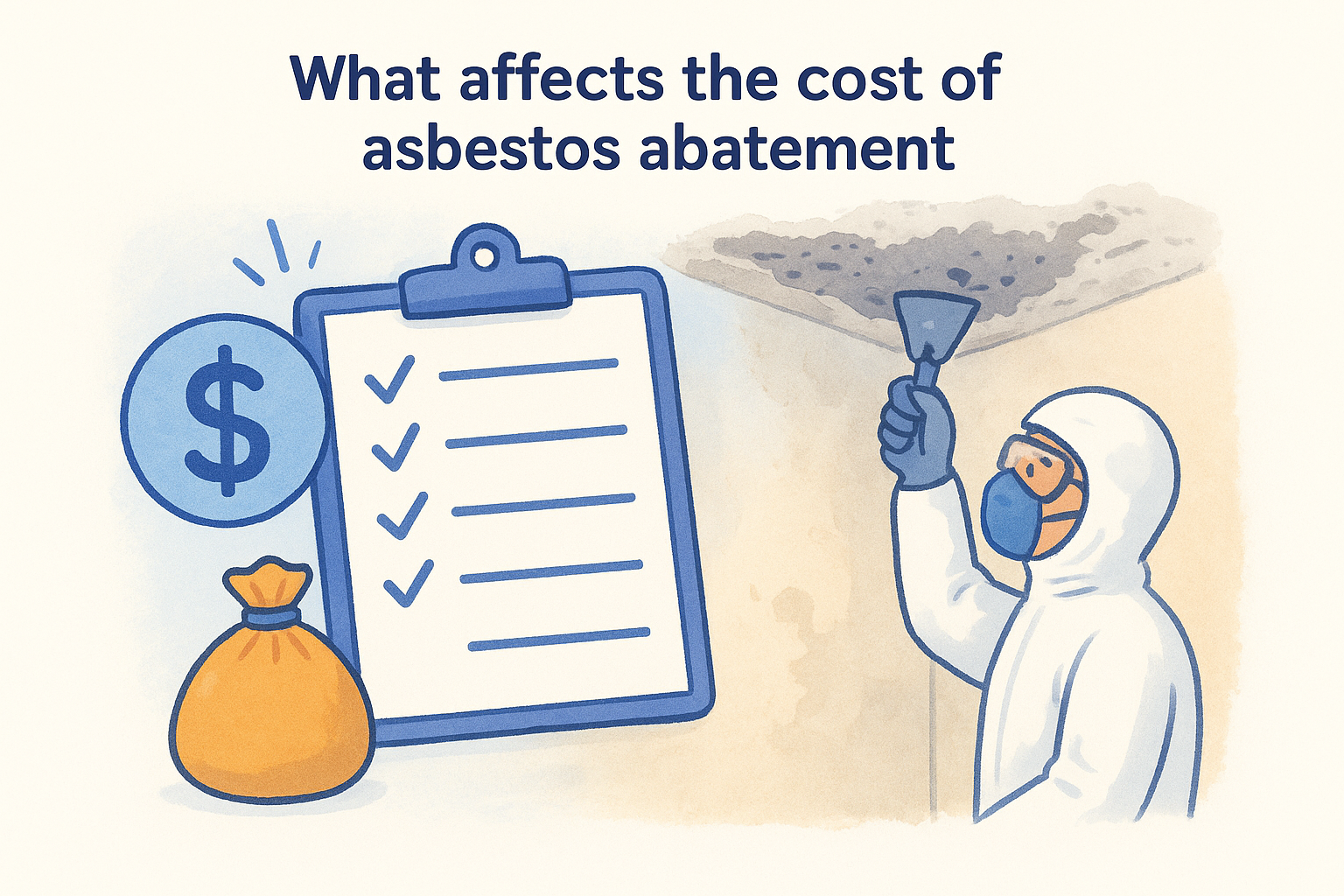
Pricing for asbestos abatement varies widely because no two ceilings or wall systems present the same risk level, though an itemized cost breakdown by room shows where the money usually goes. A small closet ceiling with intact texture costs far less to remediate than a whole-house popcorn ceiling removal where the texture is crumbling and water-stained. Square footage drives the baseline number, but the condition of the material, how accessible the workspace is, and whether the asbestos type is friable or non-friable all shift the final quote up or down.
The cheapest quote usually means shortcuts on containment, not savings on your health.
Getting quotes from multiple contractors helps you spot that pattern before you sign anything. Here's a breakdown of the factors that typically move the price:
| Cost Factor | Why It Matters |
|---|---|
| Square footage | More surface area means more containment, labor, and disposal volume |
| Material condition | Crumbling or water-damaged texture requires extra care and slows removal |
| Accessibility | High ceilings, tight attics, or multi-story homes add labor time |
| Asbestos type | Friable material releases fibers more easily and demands stricter containment |
| Disposal fees | Licensed facilities charge by weight and material classification |
| Post-removal work | Retexturing, repainting, or drywall repair adds to the total |
Homeowners sometimes assume they can save money by handling demolition themselves and only hiring a crew for the actual asbestos portion, which is where a DIY versus pro price comparison gets sobering. That approach almost always backfires, since disturbing suspect material without containment can contaminate rooms you never intended to touch, turning a contained job into a full remediation. Insurance coverage, permit fees, and the scope of texture or drywall repair needed afterward round out the rest of your estimate. A free in-home consultation remains the only reliable way to get an accurate number for your specific home, since every ceiling tells a different story once someone actually looks at it.
Making an informed decision about your home
Asbestos abatement isn't a gray area you can guess your way through. Testing confirms what's actually in your ceiling , containment keeps fibers out of your lungs, and clearance testing proves the job actually worked. Every step exists because the last one caught something the previous couldn't, and skipping any of them turns a manageable repair into a health and legal liability that follows you for years.
Knowing this process means you can walk into a consultation asking the right questions instead of hoping a contractor's word is enough. Licensed, certified crews who show you paperwork at every stage aren't being difficult, they're protecting your family the way the law requires.
If your Sacramento Valley home has an old popcorn ceiling or textured walls you've never had tested, don't wait for a remodel to force the issue. Schedule a free inspection with our Sacramento asbestos ceiling abatement crew and find out exactly what's overhead before you touch a thing.