Share this article

May 16, 2026

How Much Does Drywall Cost in 2026? Per Sq. Ft. + Sheets

Whether you're finishing a garage, repairing water damage, or renovating a room, one of the first questions you'll run into is how much does drywall cost . The answer isn't as straightforward as grabbing a price tag off the shelf. Material thickness, sheet size, project scope, and labor rates all shift the final number, sometimes by a lot. Getting a clear picture upfront saves you from sticker shock when quotes start coming in.

In 2026, drywall materials generally run between $0.40 and $0.65 per square foot for standard panels, while professional installation can push total costs significantly higher depending on your region and project complexity. Here in the Sacramento Valley, where we've hung and finished drywall on over 10,000 residential projects over the past 30+ years, we see pricing questions come up in nearly every consultation at Super Shooters.

This guide breaks down current drywall costs per square foot and per sheet, covers what drives prices up or down, and gives you the context you need to budget accurately or evaluate a contractor's quote . We'll walk through material types, labor rates, and the extras that often catch homeowners off guard, so you can plan your project with real numbers , not guesswork.

What drywall costs in 2026 at a glance

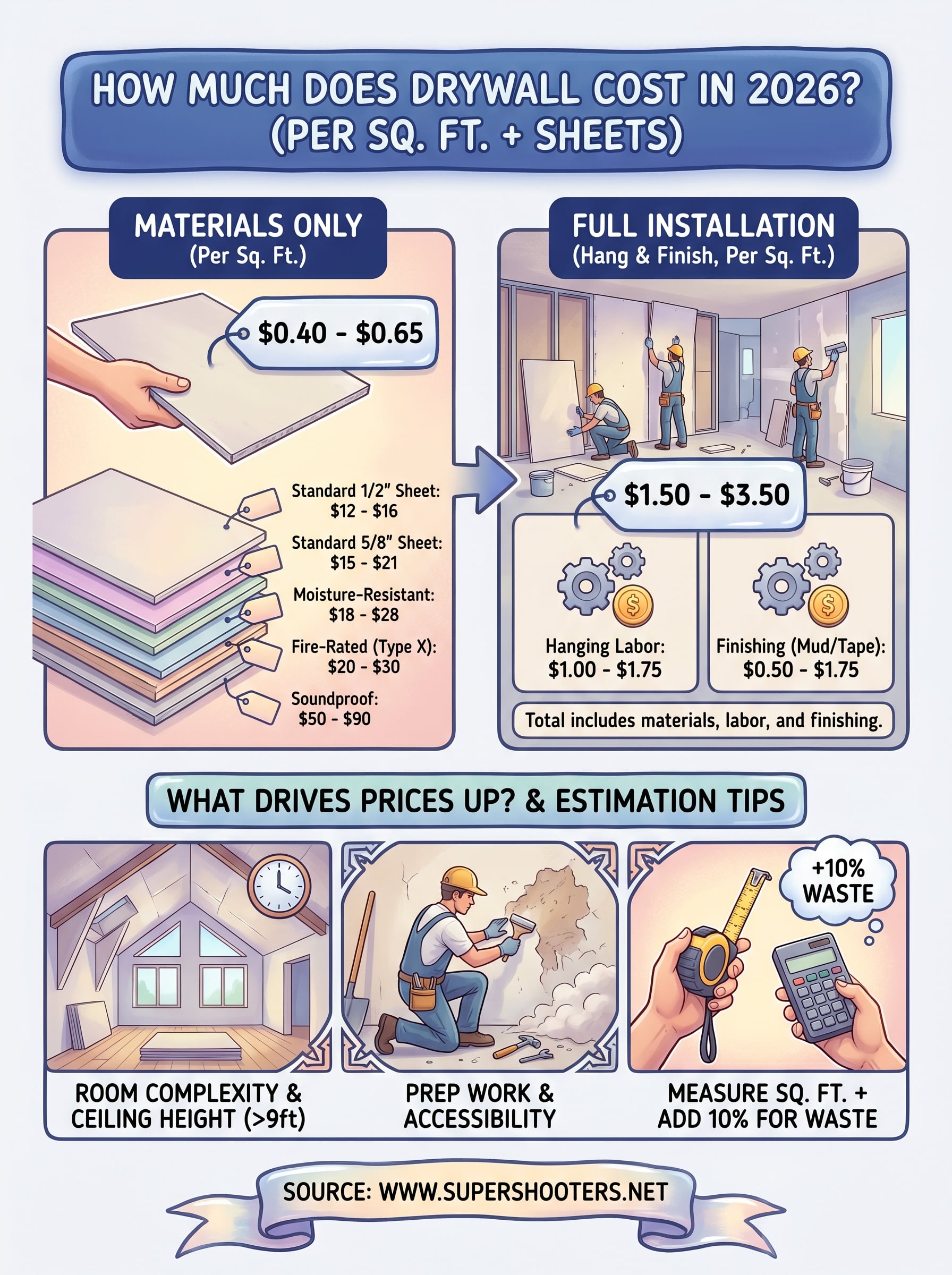
If you want a quick answer to how much does drywall cost before diving into the details, here is the short version: materials alone run $0.40 to $0.65 per square foot for standard half-inch drywall, while full installation with finishing typically lands between $1.50 and $3.50 per square foot in most residential markets. Those ranges shift based on panel type, ceiling height, room complexity, and your local labor market.

Budget using the full installation range, not just material cost, so your estimate reflects what you will actually pay when you bring in a contractor.

Material costs at a glance

A standard 4x8 sheet of half-inch drywall covers 32 square feet and costs between $12 and $21 per sheet at most home improvement retailers in 2026. Specialty panels, like moisture-resistant or fire-rated drywall, run noticeably higher. The table below gives you a realistic starting point for the most common panel types you will encounter:

Panel Type Sheet Size Price Per Sheet (2026)
Standard 1/2" 4x8 $12 - $16
Standard 5/8" 4x8 $15 - $21
Moisture-resistant 4x8 $18 - $28
Fire-rated (Type X) 4x8 $20 - $30
Soundproof (QuietRock) 4x8 $50 - $90

Prices at big-box retailers have stayed relatively stable since 2024, but regional availability and order volume can still move the number. If you are ordering a large quantity for a full home renovation, many suppliers offer volume pricing that cuts 10 to 20 percent off the shelf rate.

Labor and total project costs at a glance

Labor is where most homeowners underestimate their budget . In the Sacramento Valley, professional drywall installation runs roughly $1.00 to $1.75 per square foot for hanging alone. Taping, mudding, and a finish coat add another $0.50 to $1.75 per square foot on top of that. A typical 12x12 room with standard ceilings can land anywhere from $700 to $1,800 fully installed and finished , depending on prep work and finishing level required.

Large open spaces like garages or great rooms generally cost less per square foot than smaller rooms loaded with corners, cutouts, and trim work. More complexity means more time on the job, and more time drives up your total labor bill significantly.

Material prices by sheet and type

Understanding how much does drywall cost starts at the material level, before any labor enters the picture. Sheet price varies by thickness, size, and panel type , and choosing the wrong option for your application can lead to failed inspections or performance problems that end up costing you more to fix than the upgrade would have cost upfront.

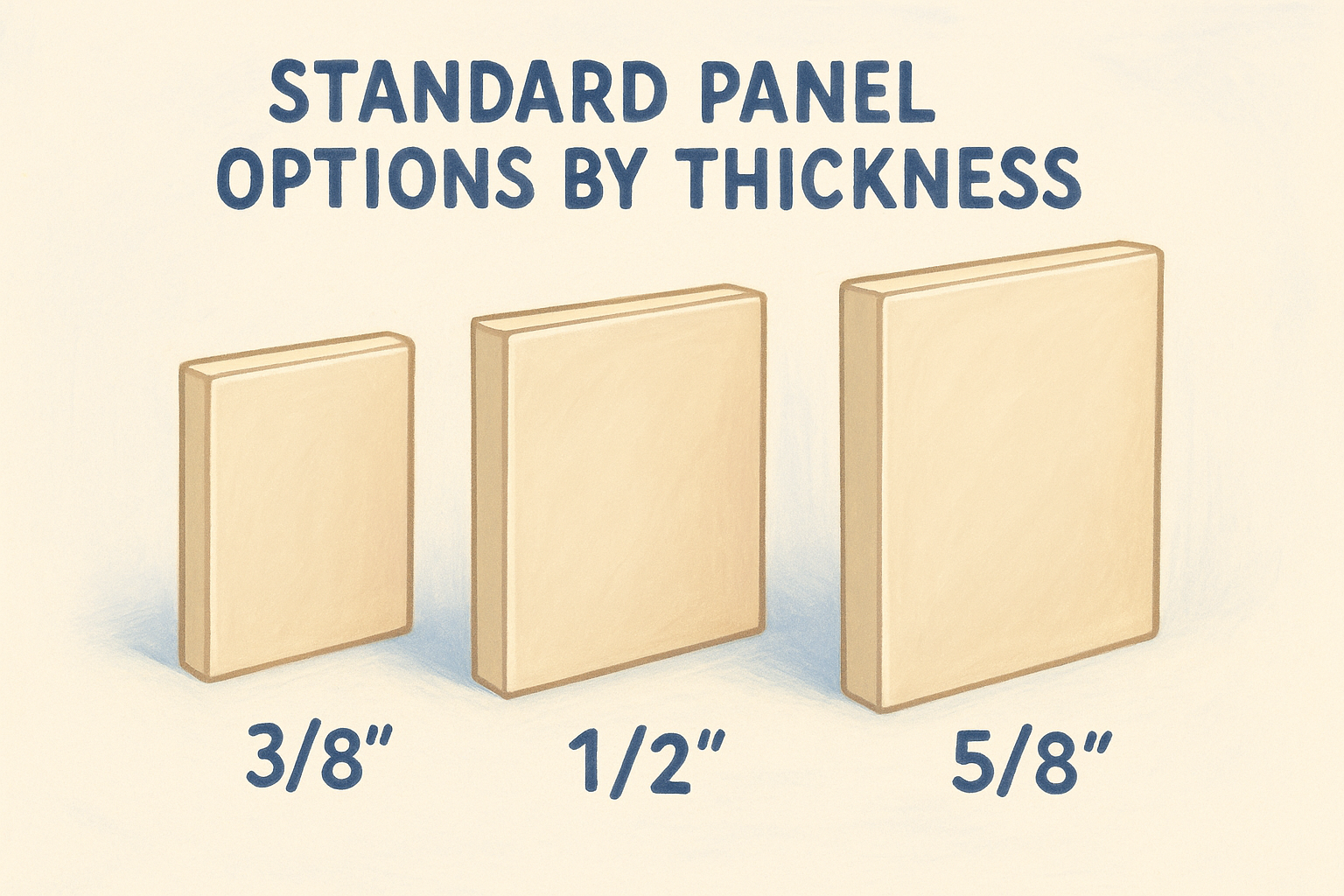
Standard panel options by thickness

Half-inch drywall is the most common choice for interior walls in residential construction, striking a solid balance between cost and performance. Five-eighths-inch panels cost more per sheet but deliver better fire resistance and rigidity , which makes them the standard pick for ceilings and garage walls. Here is how the main thickness options compare at current retail pricing:

Thickness Common Use Price Per Sheet
3/8" Curved walls, overlays $10 - $14
1/2" Standard interior walls $12 - $16
5/8" Ceilings, fire-rated walls $15 - $21

If your local building code requires fire-rated drywall in areas like garages or stairwells, installing the wrong thickness can trigger a failed inspection and force a costly tear-out.

Specialty panels and when you need them

Moisture-resistant panels, commonly called greenboard or purple board, run $18 to $28 per sheet and belong in bathrooms, laundry rooms, and any space where humidity is a recurring factor. Soundproof panels like QuietRock cost $50 to $90 per sheet and make a real difference in home offices or shared walls where noise bleeds through. Factor specialty panel costs into your material budget early rather than discovering the need after the project is already priced.

Labor and finishing costs per square foot

When you ask how much does drywall cost for a full project, material price is only part of the answer. Labor typically accounts for 50 to 70 percent of your total bill , which means underestimating it leads to serious budget shortfalls. Understanding how contractors break down their labor charges helps you read quotes accurately and avoid paying for work you did not expect.

Hanging vs. finishing: two separate line items

Most contractors price hanging and finishing as separate tasks , and both add up quickly. Hanging involves measuring, cutting, and fastening panels to the framing. Finishing covers taping the seams, applying joint compound in multiple coats, sanding, and preparing the surface for paint. In the Sacramento Valley, hanging runs $1.00 to $1.75 per square foot while finishing adds another $0.50 to $1.75 per square foot depending on the number of coats and the smoothness level required.

A Level 5 finish, which produces a smooth, paint-ready surface, costs noticeably more than a basic Level 3, so clarify the finish level with your contractor before signing anything.

What a finished room actually costs

Your total installed cost per square foot generally falls between $1.50 and $3.50 when you combine hanging, finishing, and materials. A standard 12x12 room with 8-foot ceilings carries roughly 550 square feet of drywalled surface when you count walls and ceiling together. At those rates, expect to budget $825 to $1,925 for a single room , with more complex spaces like bathrooms or vaulted ceilings pushing toward the higher end.

What changes your price

Several factors push how much does drywall cost well above or below the averages you read in any pricing guide. Understanding these variables before you contact a contractor keeps you from being surprised when a quote comes back higher than expected. The biggest price drivers are room complexity, ceiling height, accessibility, and the amount of prep work required before a single panel goes up.

Room layout and ceiling height

Rooms with many corners, cutouts for outlets and windows, or irregular shapes take significantly longer to hang and finish than a simple rectangular space. Contractors price by the hour for labor, so more cuts and more fitting time directly increases your bill. Ceilings above 9 feet also add cost because they require staging or stilts, which slows the work and increases safety setup time.

High ceilings often double the time required to finish a room compared to standard 8-foot walls, so factor that into your budget before finalizing your scope.

Project scope and prep work

Larger projects tend to lower your cost per square foot because setup time, material delivery, and crew mobilization spread across more square footage. A 500-square-foot garage costs less per square foot than a 100-square-foot bathroom for that reason. Existing damage or old texture that needs removal adds prep time that contractors charge separately, and skipping that step leads to a poor final surface. Water damage, mold remediation, or structural repairs behind the wall raise your total significantly before any new drywall even gets touched.

How to estimate your drywall job

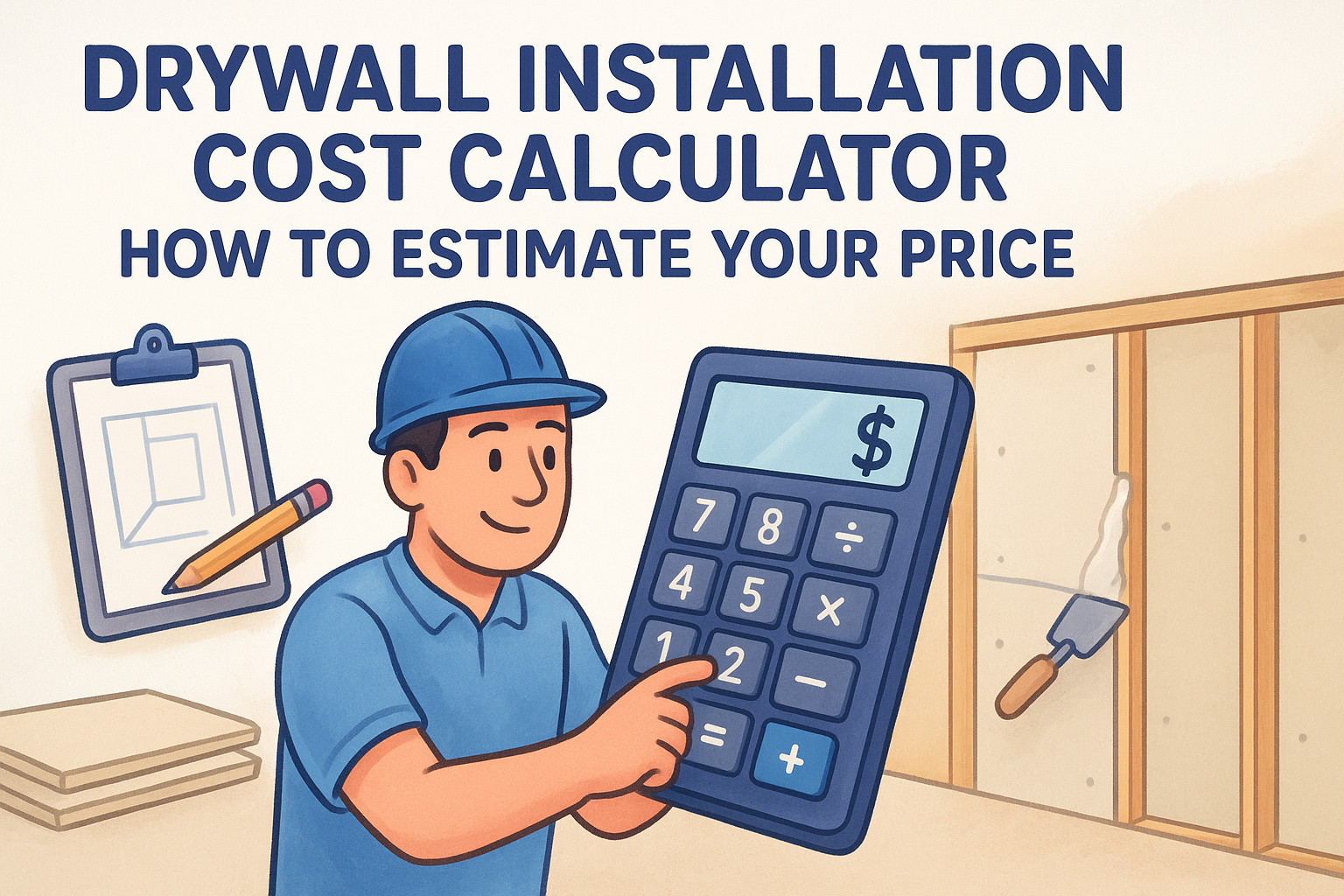
Running your own estimate before you contact contractors helps you spot inflated quotes and walk into conversations with real numbers behind you. Knowing how much does drywall cost at a basic level puts you in a much stronger position when you are reviewing bids, because you can identify where a quote seems reasonable and where it does not.

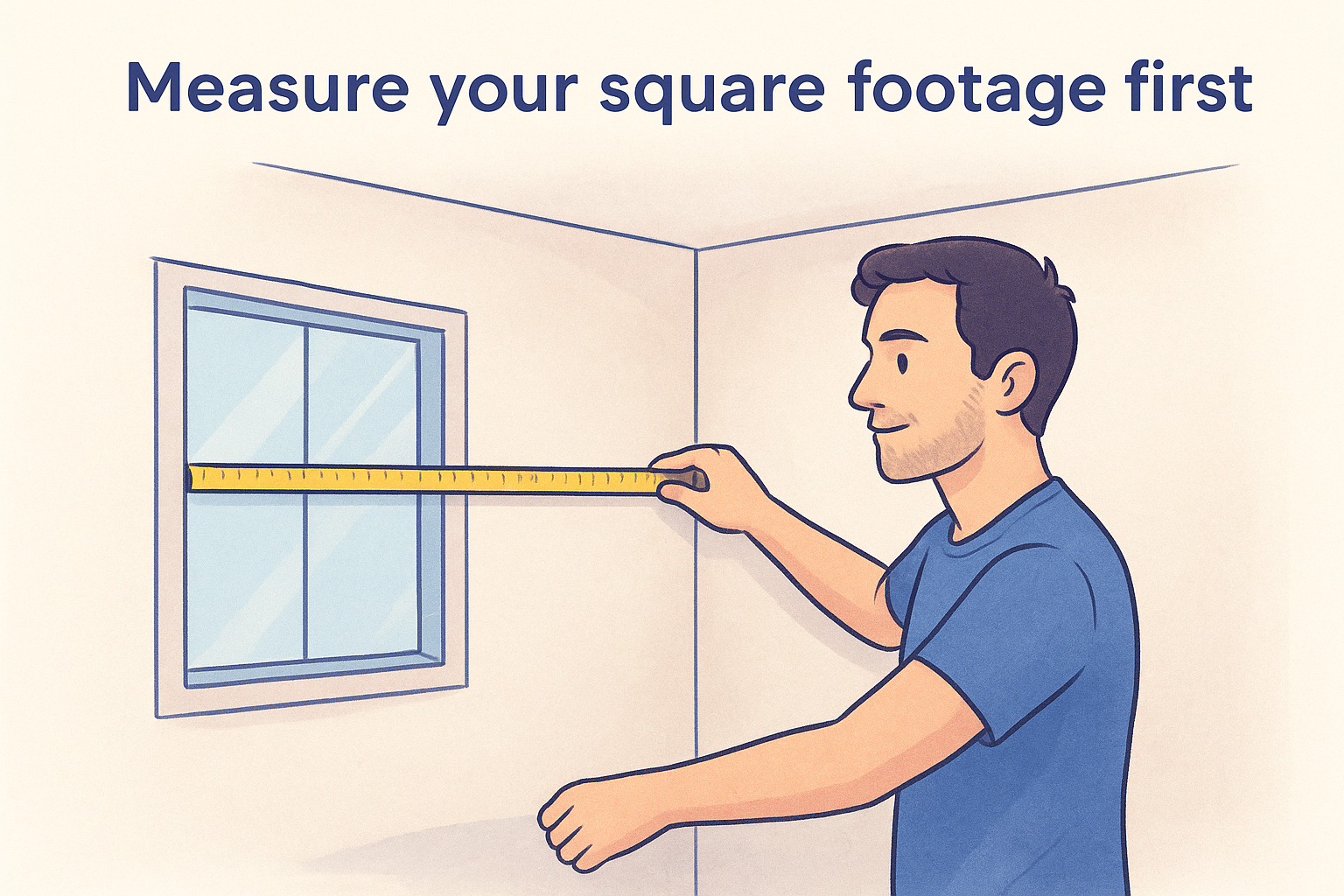
Measure your square footage first

Start by measuring every wall and ceiling surface you plan to drywall. Multiply the width by the height for each wall, add those numbers together, and subtract the area of doors and large windows. For a standard room, contractors use the full surface area without subtracting outlets or small cutouts, since those panels still get cut from full sheets. Adding 10 percent to your total accounts for waste from cuts and any mistakes during installation, which is standard practice for materials ordering.

Measuring twice and ordering with a 10 percent overage protects you from running short mid-project, which delays your timeline and often costs more per sheet on a small reorder.

Build your cost range from square footage

Once you have your square footage, apply the installation ranges covered earlier in this guide. Multiply your adjusted square footage by $1.50 for a low estimate and by $3.50 for a high estimate to get your full installed cost range. For materials only, use $0.40 to $0.65 per square foot as your baseline and adjust upward for specialty panels. Comparing this range against any contractor quotes you receive tells you quickly whether a bid falls in line or warrants a follow-up conversation.

Next steps for your drywall budget

Now that you know how much does drywall cost broken down by material, labor, and project variables, you have what you need to move forward with confidence. Use the per-square-foot ranges in this guide to build your own estimate before you contact anyone, so you can compare quotes against real numbers rather than guessing.

Your next move is to measure your space, calculate your square footage with a 10 percent overage buffer, and reach out to a licensed contractor for an in-home estimate. Getting at least two quotes lets you spot outliers and ask better questions when something looks off. A reputable contractor will walk through every line item with you and explain what drives each cost.

If your project is in the Sacramento Valley, schedule a free in-home estimate with Super Shooters and get an honest, no-upfront-cost quote from a team with over 30 years of residential drywall experience.

Recent Posts

By cinchweb May 16, 2026
Stop guessing how many drywall sheets do i need. Use our simple room formula to calculate square footage, account for waste, and estimate screws and compound.
By cinchweb May 14, 2026
Explore 7 professional drywall texturing techniques to upgrade your home. Learn how to apply knockdown, orange peel, and skip trowel finishes with ease.
By cinchweb May 14, 2026
Learn how to remove wallpaper from drywall without damage. Our guide covers safe peeling, glue removal, and prepping your walls for a fresh coat of paint.
By cinchweb May 12, 2026
Learn what to do after popcorn ceiling removal. Fix drywall damage, apply a smooth skim coat, and get a professional paint finish with these easy steps.
By cinchweb May 12, 2026
Learn how to drywall a garage with our complete guide. Discover essential tools, fire-rated panels, insulation, and costs for a professional, durable result.
By cinchweb May 10, 2026
Identify and repair 6 common types of drywall damage. From water stains to cracks, learn how to fix your walls fast and get professional, lasting results.
By cinchweb May 9, 2026
Learn how to fix cracks in plaster walls. Assess the damage, secure loose areas with plaster washers, and apply compound for a seamless, lasting repair.
By cinchweb May 9, 2026
Learn how to texture drywall walls with our guide to orange peel and knockdown finishes. Master mud consistency, tool selection, and expert techniques.
By cinchweb May 7, 2026
Learn how to repair water damaged drywall with our guide. Fix leaks, dry framing, and follow steps to patch and finish walls or ceilings for a seamless look.
Show More