May 3, 2026
10 Types Of Interior Wall Finishes: Pros, Cons & Cost
Picking the right wall finish changes how a room looks and feels, and it affects how much you'll spend, how long the finish lasts, and how much upkeep it demands down the road. Whether you're renovating an older Sacramento home or finishing out a new ADU, understanding the types of interior wall finishes available helps you make a choice you'll actually be happy with five or ten years from now .
At Super Shooters, we've completed over 10,000 residential projects across the Sacramento Valley, everything from drywall installation and texturing to plaster repair and full wall restorations. We've seen firsthand how the right finish transforms a space, and how the wrong one creates headaches. That experience is exactly what shaped this guide: real-world knowledge from three decades of working on homes like yours.
Below, we break down 10 popular interior wall finishes with honest pros, cons, and cost estimates so you can compare your options side by side . Each finish suits different rooms, budgets, and styles, and by the end, you'll know exactly which ones deserve a spot on your shortlist .
1. Drywall finishing and texture
Drywall finishing is the foundation of most modern residential walls, and it's the starting point for nearly every other finish on this list. Understanding it helps you make smarter decisions about all other types of interior wall finishes because almost all of them get applied over a drywall substrate.
What it is and how it's applied
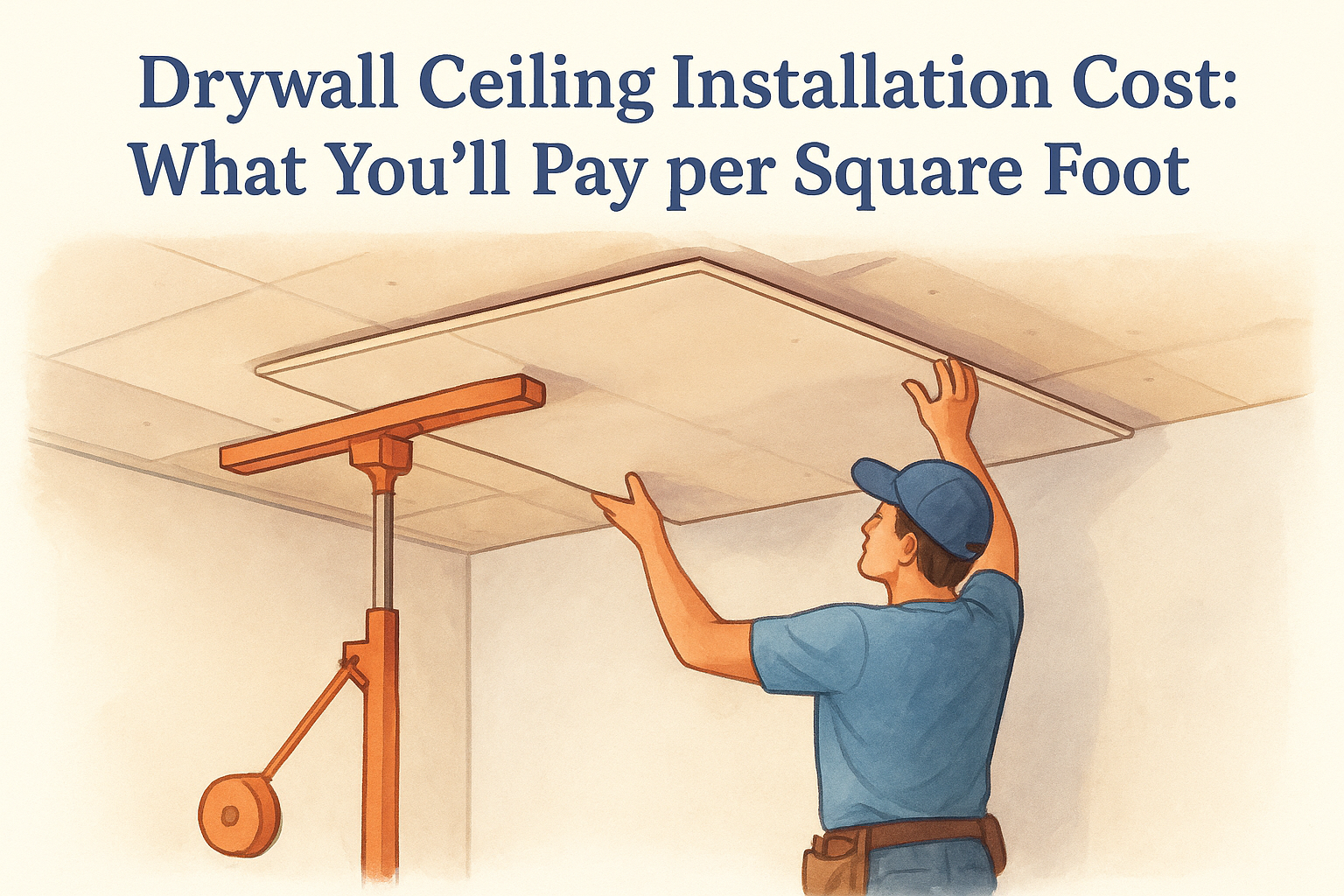
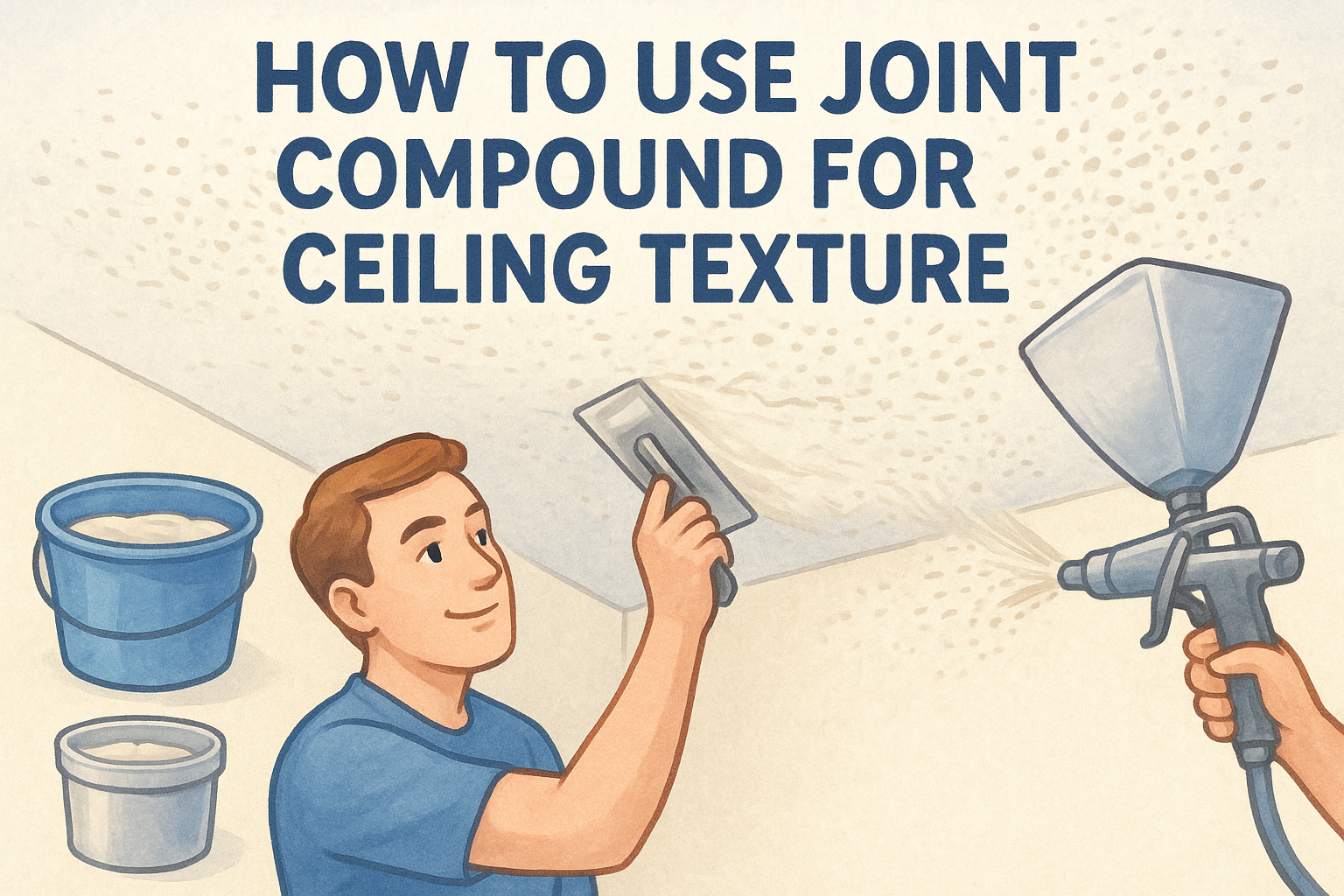
Contractors hang gypsum board panels on wall framing, then tape and coat the joints with joint compound in multiple passes, sanding between coats. Once the surface is level, they apply a texture layer using spray equipment, rollers, or a hand trowel to create patterns like orange peel, knockdown, or skip trowel before the final paint coat goes on.
Pros
Drywall is widely available and pairs with virtually every interior paint, wallpaper, or decorative finish. It's also significantly more affordable than traditional plaster and can be installed, finished, and ready to paint within just a few days.
Cons
Drywall is vulnerable to moisture , and prolonged water exposure causes softening, swelling, and mold growth. Corners and edges dent and chip more easily than harder wall materials, which means high-traffic areas take visible damage over time.
Typical cost in the Sacramento Valley
New drywall installation in the Sacramento area typically runs $2 to $4 per square foot for materials and labor combined. Texture application adds roughly $0.50 to $1.50 per square foot depending on the pattern complexity and total coverage area.
Bundling drywall installation and texture work with one contractor on larger jobs like full-room renovations or ADU builds usually brings your per-square-foot cost down noticeably.
Best rooms and common use cases
Drywall suits every room in the house , from bedrooms and living areas to garages and ADU additions. It's the default material for new construction and remodels throughout Sacramento and the surrounding valley communities.
Maintenance, repairs, and how it ages
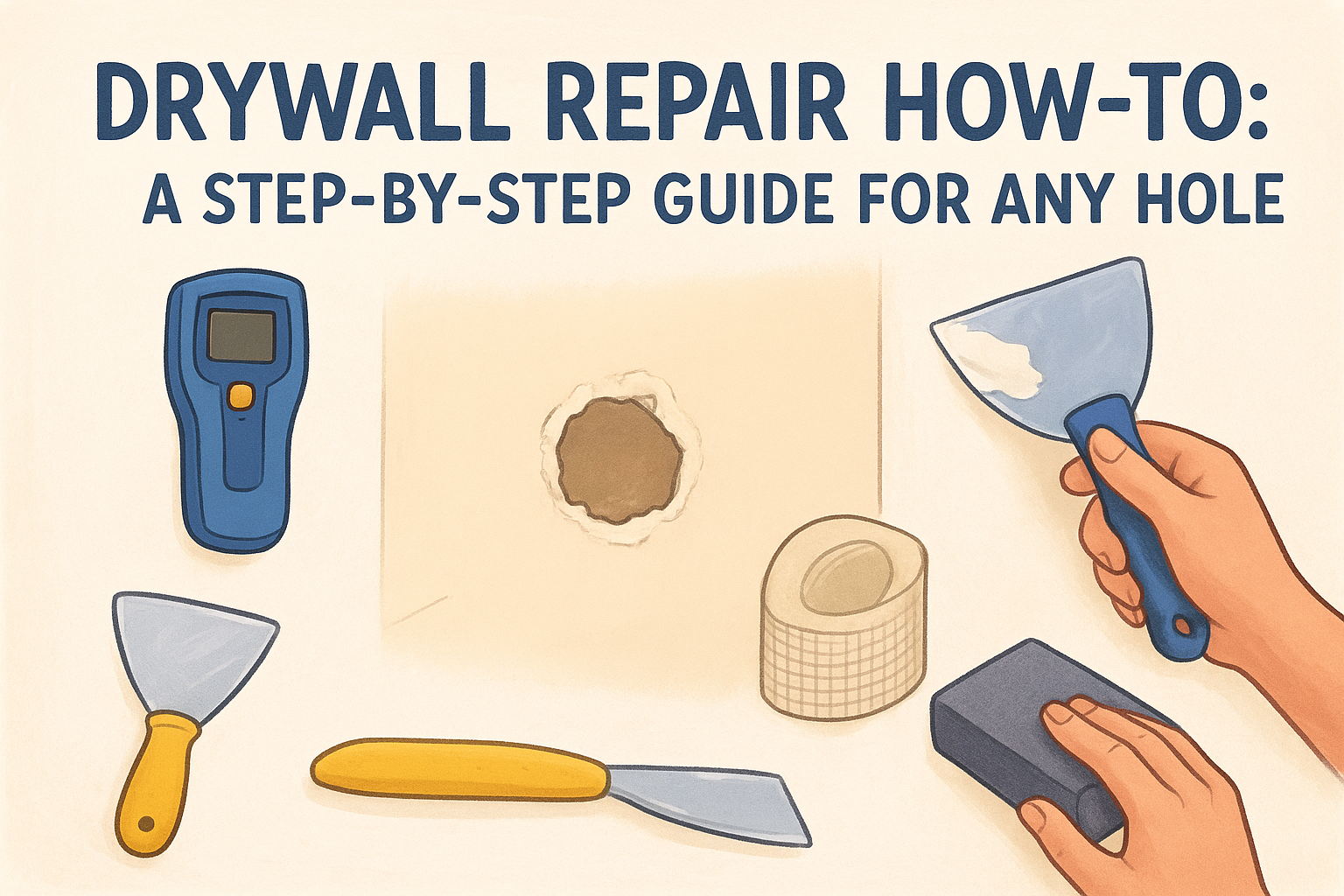
Properly finished drywall holds up for decades in dry conditions with minimal intervention. Small holes and dents are straightforward to patch, but matching existing wall texture around a repair requires real skill to avoid a visible patch that stands out under light.
DIY or hire a pro
Hanging panels is manageable for an experienced DIYer, but taping, mudding, and texturing to a consistent finish takes practice most homeowners don't have. Mismatched texture and uneven joints are the most common DIY mistakes, and fixing them later costs more than hiring a licensed contractor from the start.
2. Smooth drywall finish
A smooth drywall finish takes standard drywall a step further by eliminating texture entirely, leaving a flat, paint-ready surface that suits modern and minimalist interiors. Among the various types of interior wall finishes , it's one of the most demanding to execute consistently well.
What it is and how it's applied
Finishers apply multiple thin coats of joint compound across the entire wall surface, sanding meticulously between each pass until no ridges, seams, or marks remain. The final step typically involves skim coating the full wall with a thin layer of compound to achieve a uniform, glass-like appearance.
Pros
Your paint colors and sheens pop more vividly on a smooth surface than on textured walls. Smooth walls also photograph exceptionally well , which matters if you ever sell your home.
Cons
Every surface imperfection shows clearly under raking light, meaning nail pops and patched areas stand out more than they would behind texture.
Typical cost in the Sacramento Valley
Expect to pay $1.50 to $3.00 per square foot for skim coating and smooth finishing on top of standard drywall installation costs.
Smooth finishes demand more labor hours than textured alternatives, so factor that into your budget before committing.
Best rooms and common use cases
Living rooms, dining rooms, and master bedrooms benefit most from smooth walls, especially in newer builds with clean architectural lines.
Maintenance, repairs, and how it ages
Repairs require careful feathering and blending to avoid visible patches, and matching a perfectly smooth wall is harder than blending into most textures.
DIY or hire a pro
Skim coating is a skilled trade technique that most DIYers struggle to execute without leaving visible lap marks and ridges . Hire a professional for this finish.
3. Interior paint and sheen levels
Paint is the most common of all types of interior wall finishes , and choosing the right sheen level affects both durability and how your finished room looks under everyday lighting conditions.
What it is and how it's applied
Painters apply water-based or oil-based paint in multiple coats using rollers, brushes, or sprayers over a primed surface. Sheen levels range from flat and matte up to high-gloss , each behaving differently under light and in high-traffic areas.
Pros
Paint offers the widest color selection of any wall finish, and it's the easiest finish to update when your tastes or a buyer's preferences change.
Cons
Flat and matte sheens scuff and stain easily in busy areas, while higher-gloss finishes highlight every surface imperfection your walls carry.
Typical cost in the Sacramento Valley
Painting walls yourself costs $0.50 to $1.00 per square foot in materials alone. Hiring a professional painter in Sacramento typically runs $2 to $4 per square foot including labor and prep work.
Investing in a quality primer coat before painting reduces the number of finish coats you need and cuts long-term touch-up costs significantly.
Best rooms and common use cases
Satin and eggshell sheens handle moisture and cleaning well in kitchens and bathrooms, while flat or matte finishes work best in low-traffic bedrooms and on ceilings.
Maintenance, repairs, and how it ages
Paint fades and scuffs gradually over years, but spot touch-ups stay simple as long as you store leftover paint from the original job in a sealed container.
DIY or hire a pro
Painting is the most DIY-accessible wall finish on this list, though a professional delivers cleaner edge lines and more consistent coverage across large or high-ceiling rooms.
4. Wallpaper and wallcoverings
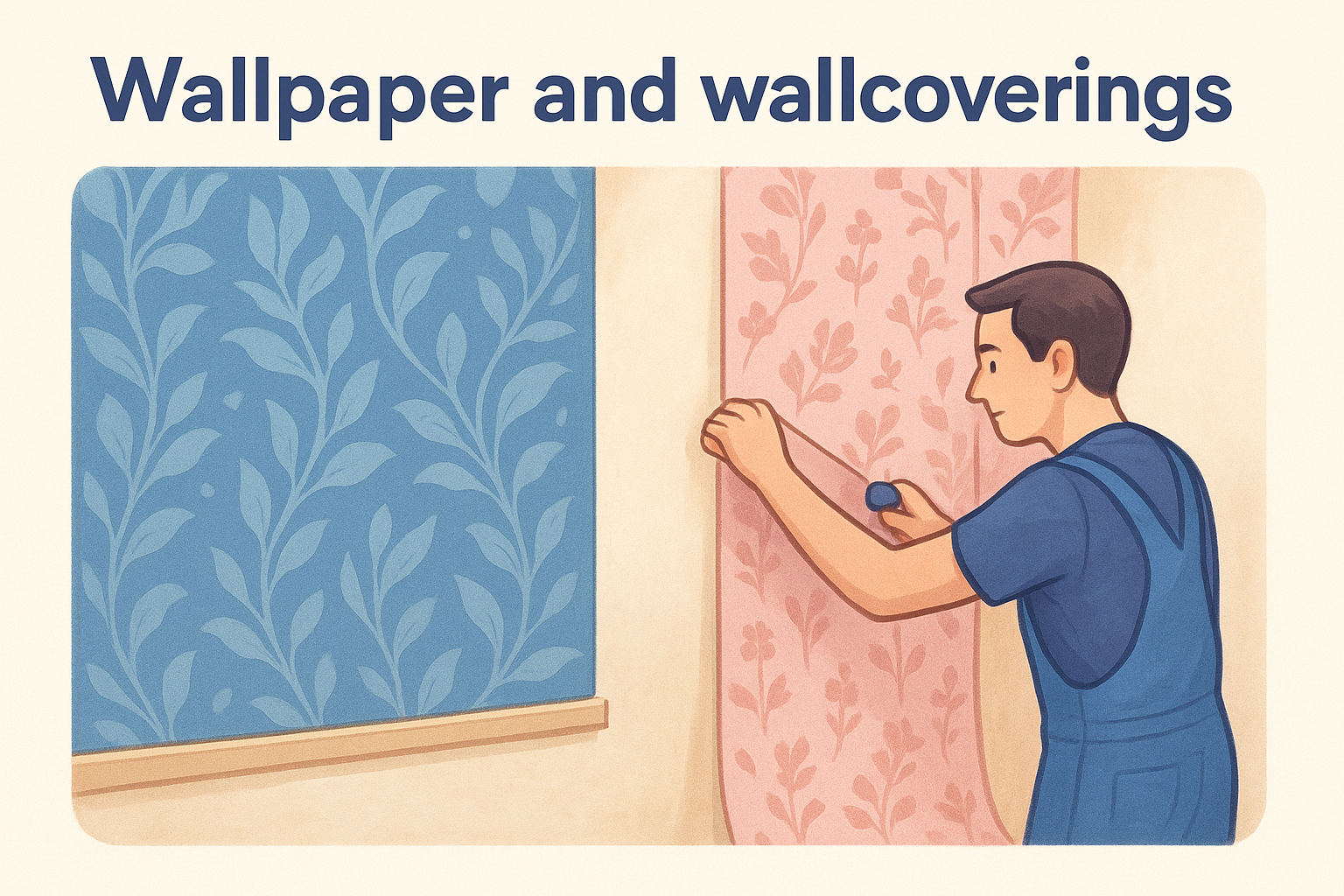
Wallpaper is one of the most visually versatile types of interior wall finishes, delivering patterns, textures, and colors that paint cannot replicate on its own. Modern wallcoverings have improved significantly from the thin, paste-heavy rolls of decades past.
What it is and how it's applied
Installers prep the wall surface first with a sizing coat or primer, then cut and hang strips of paper, vinyl, or fabric-backed material. They align pattern seams carefully and smooth out air bubbles with a brush or seam roller as they go.
Pros
Wallpaper delivers bold visual impact and texture that paint alone cannot achieve. Many modern options are also highly durable and washable , especially vinyl-coated varieties.
Cons
Removing old wallpaper is labor-intensive and can damage drywall if the original installation lacked proper primer. Moisture behind seams causes peeling and mold growth over time.
Poor wall prep before hanging wallpaper is the single most common reason installations fail within a few years.
Typical cost in the Sacramento Valley
Materials run $1 to $7 per square foot depending on the product, with professional installation adding $1 to $3 per square foot in labor.
Best rooms and common use cases
Dining rooms, accent walls, and powder rooms work best, where limited square footage lets you use higher-end materials without stretching the budget too far.
Maintenance, repairs, and how it ages
Peeling seams and bubbles are the most common issues, usually caused by humidity changes. Patching requires matching material , which gets difficult once a pattern is discontinued.
DIY or hire a pro
Pattern-matching and seam alignment take patience and precision. Hire a professional for full-room installs; an accent wall is more manageable for your first DIY attempt.
5. Limewash and mineral paint finishes
Among the more decorative types of interior wall finishes , limewash and mineral paints deliver organic, layered depth that standard latex paint simply cannot replicate. These finishes have gained real popularity in Sacramento Valley homes where owners want visual texture without adding new wall materials.
What it is and how it's applied
Limewash is made from slaked lime, water, and pigments , brushed onto walls in multiple thin coats that absorb directly into the surface. Silicate mineral paints work differently, bonding chemically with the substrate rather than forming a surface film on top.
Pros
These finishes create a soft, mottled, aged appearance that adds real depth to flat walls. Mineral paints are also highly breathable , which helps reduce moisture buildup inside wall assemblies over time.
Cons
Color consistency is harder to predict than with standard paint, and results can shift wall to wall. Re-coating requires compatible products since standard latex bonds poorly over mineral-based surfaces.
Always test a sample patch on your actual wall before committing to a full-room limewash application.
Typical cost in the Sacramento Valley
Materials typically run $0.75 to $2.50 per square foot . Professional application in the Sacramento area adds roughly $2 to $4 per square foot in labor on top of that.
Best rooms and common use cases
Living rooms, entryways, and dining rooms work best for limewash, where its organic texture creates a focal point without dominating the whole space.
Maintenance, repairs, and how it ages
Limewash fades and softens gradually , which most homeowners actually appreciate as part of the look. Small touch-ups blend naturally since slight color variation is expected in this finish type.
DIY or hire a pro
Limewash is more forgiving than plaster finishes , making it manageable for a careful DIYer. Mineral silicate paints, however, require more precise application and are better handled by an experienced professional.
6. Venetian plaster and polished plaster
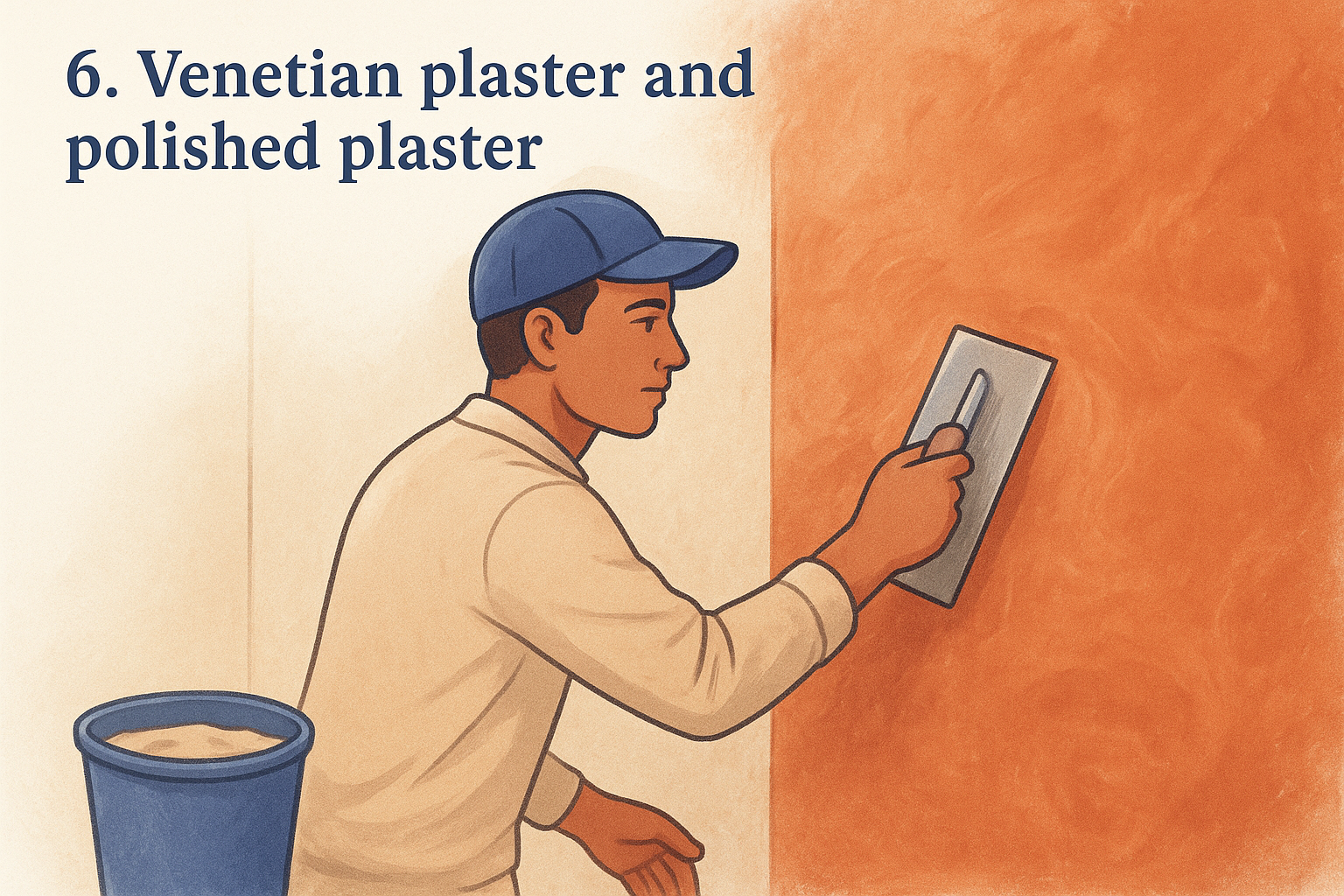
Venetian plaster is one of the most visually striking types of interior wall finishes available for residential interiors. Its layered, burnished surface creates a depth and sheen that no paint or simple texture can replicate.
What it is and how it's applied
Applicators trowel thin layers of lime-based plaster mixed with marble dust directly onto a primed wall, building up two to five coats. Each layer gets burnished with a steel trowel while still slightly damp to produce a smooth, reflective finish.
Pros
Venetian plaster is extremely durable and resists moisture and staining when sealed properly. Its natural composition also makes it breathable, which supports healthier wall assemblies over time.
Cons
This finish demands significant skill to apply evenly, and any inconsistency shows clearly under direct light. Material costs are considerably higher than standard paint or drywall texture.
Poor Venetian plaster application is nearly impossible to fix without stripping the surface entirely and starting over.
Typical cost in the Sacramento Valley
Expect to pay $10 to $25 per square foot in the Sacramento area, covering both materials and skilled labor for a complete installation.
Best rooms and common use cases
Entryways, living rooms, and accent walls in higher-end renovations suit Venetian plaster best, where its visual impact justifies the investment per square foot.
Maintenance, repairs, and how it ages
Properly sealed Venetian plaster lasts for decades with minimal upkeep, though damaged sections require a skilled plasterer to repair without leaving visible evidence.
DIY or hire a pro
This finish is not DIY-friendly . Hire an experienced applicator who has completed Venetian plaster projects they can show you before you commit.
7. Traditional plaster finishes
Traditional plaster is one of the oldest types of interior wall finishes still used in residential construction today. Homes built before the 1950s across the Sacramento Valley almost certainly have three-coat lime or gypsum plaster applied over wood lath or metal mesh.
What it is and how it's applied
Plasterers apply a scratch coat, brown coat, and finish coat in sequence, allowing each layer to cure fully before adding the next. The process builds a wall surface that is harder and denser than modern drywall.
Pros
Traditional plaster delivers superior sound dampening and fire resistance compared to standard drywall. It also holds up well against minor impacts and daily wear .
Cons
The multi-coat process takes significantly longer to complete than drywall installation, and skilled plasterers are harder to find than general drywall contractors today.
Finding a contractor with genuine plaster experience before starting any repair or restoration project saves you significant time and money.
Typical cost in the Sacramento Valley
Plaster work in the Sacramento area runs $8 to $15 per square foot for new application, with repair work often priced by the hour or per damaged section.
Best rooms and common use cases
Historic homes and restoration projects are the most common applications, where matching existing plaster walls matters for both aesthetics and resale value.
Maintenance, repairs, and how it ages
Plaster cracks as foundations settle over decades, especially in older Sacramento homes. Hairline cracks need prompt attention to prevent larger sections from separating.
DIY or hire a pro
Traditional plaster work requires specialized tools and trained technique . Hire a contractor experienced specifically with plaster rather than a general drywall crew.
8. Wood paneling and millwork walls
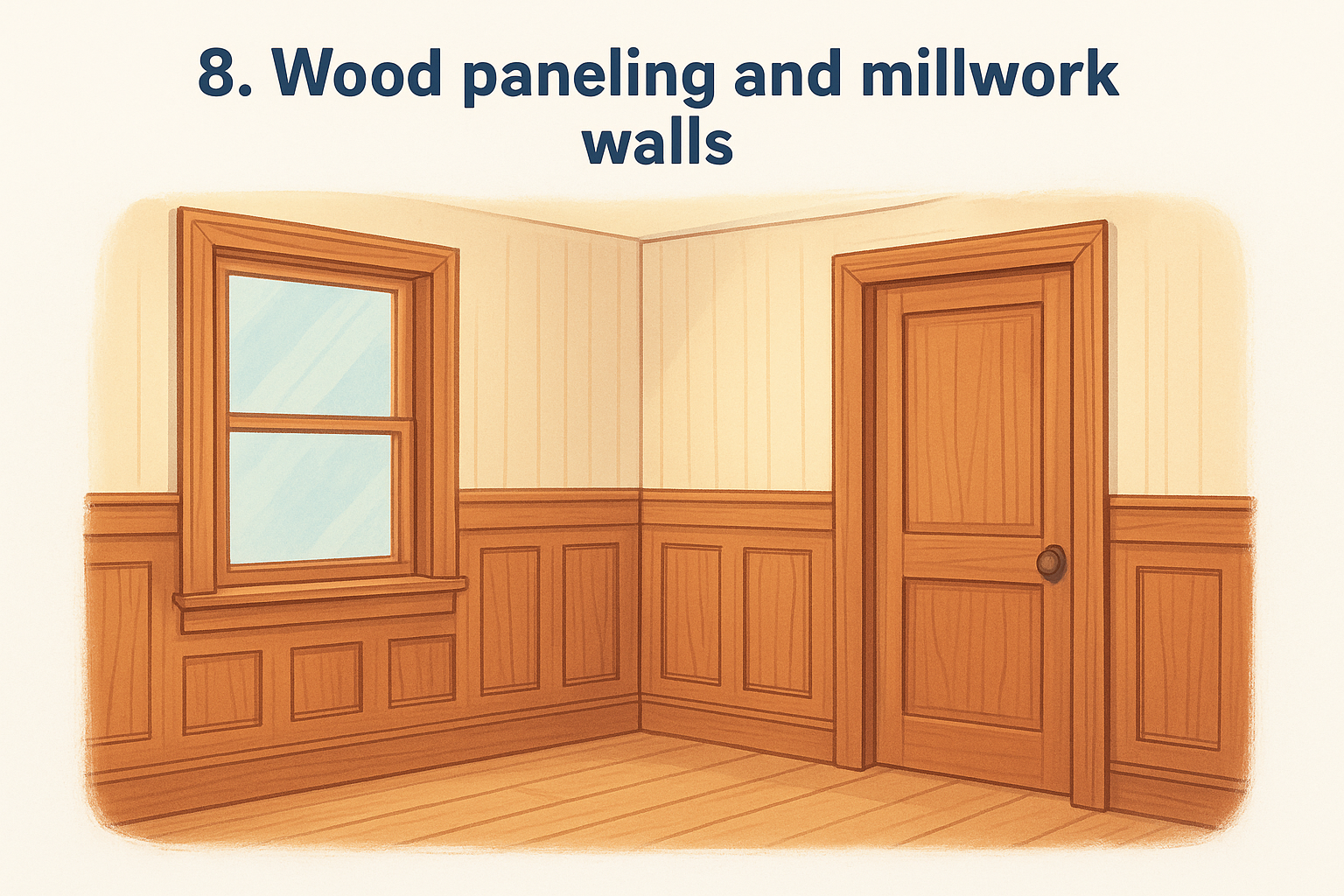
Wood paneling and millwork are among the warmer and more tactile types of interior wall finishes available, bringing natural grain, depth, and architectural character to rooms that flat painted walls simply cannot match.
What it is and how it's applied
Installers attach solid wood boards, plywood panels, or MDF millwork directly to wall framing or an existing drywall surface using construction adhesive, nails, or a combination of both. Common formats include shiplap, board-and-batten, wainscoting, and full-height paneling .
Pros
Wood paneling adds real visual warmth that appeals to buyers and occupants alike. It also conceals imperfect walls without requiring extensive surface prep.
Cons
Solid wood expands and contracts with humidity shifts, which can open gaps between boards over time. MDF alternatives handle moisture poorly and swell when wet , making them a bad choice for bathrooms.
In Sacramento Valley homes where summer heat drives significant indoor humidity swings, acclimate your wood material on-site for at least 48 hours before installation.
Typical cost in the Sacramento Valley
Expect to pay $8 to $20 per square foot installed, depending on wood species, panel style, and finish complexity.
Best rooms and common use cases
Living rooms, home offices, and dining rooms are the most common applications, where paneling creates a strong design anchor without dominating the whole space.
Maintenance, repairs, and how it ages
Wood scratches and dents over years but refinishes well. Matching replacement boards can be difficult if the original product is discontinued.
DIY or hire a pro
Board-and-batten is manageable for a skilled DIYer , but intricate millwork and wainscoting benefit from a professional carpenter's precision.
9. Tile wall finishes
Tile is one of the most durable and moisture-resistant types of interior wall finishes you can install. It works especially well in rooms where water exposure is a constant factor.
What it is and how it's applied
Installers apply ceramic, porcelain, or natural stone tiles directly to a cement board or waterproofed substrate using thin-set mortar, then fill the joints with grout once the adhesive cures.
Pros
Tile is completely waterproof when properly installed and grouted, and it resists staining, heat, and heavy daily use far better than painted drywall.
Cons
Cracked tiles and failed grout lines are common when the substrate shifts or flexes, and replacing a single broken tile becomes difficult once the original product is discontinued .
Always use cement board as your substrate behind tile in wet areas. Drywall behind tile fails over time regardless of how well the tile itself is installed.
Typical cost in the Sacramento Valley
Materials and installation typically run $15 to $40 per square foot in the Sacramento area, with natural stone options pushing costs toward the higher end of that range.
Best rooms and common use cases
Bathrooms, kitchen backsplashes, and laundry rooms are the most practical applications, where tile's moisture resistance directly solves a real performance problem.
Maintenance, repairs, and how it ages
Grout darkens and stains over years without regular sealing. Re-grouting is a straightforward project that restores the surface appearance significantly.
DIY or hire a pro
Small backsplash projects are manageable for a patient DIYer , but full shower surrounds require professional waterproofing technique to prevent water infiltration behind the wall assembly.
10. Brick, stone, and faux masonry veneers
Brick and stone veneers round out the ten types of interior wall finishes by bringing raw, industrial character indoors. Both real masonry and faux alternatives are available, giving you options across a wide range of budgets.
What it is and how it's applied
Real brick and stone veneers are thin-cut slices of actual masonry mortared onto a prepared wall surface. Faux versions use lightweight polyurethane or concrete panels that install with adhesive, significantly cutting labor time and structural load.
Pros
Masonry veneers deliver authentic texture and visual weight that no paint or panel finish replicates. Faux options give you a nearly identical appearance at a fraction of the material and installation cost.
Cons
Real masonry adds significant weight to your wall assembly and requires structural consideration before installation. Faux panels can look unconvincing under close inspection or strong raking light .
Real brick veneer requires a structural assessment of your wall framing before installation begins.
Typical cost in the Sacramento Valley
Real masonry veneer runs $15 to $35 per square foot installed. Faux panels typically cost $7 to $15 per square foot including materials and labor.
Best rooms and common use cases
Accent walls, fireplace surrounds, and entryways are the most common applications, where the material creates a strong focal point without covering every wall.
Maintenance, repairs, and how it ages
Real masonry holds up for decades with occasional mortar repointing. Faux panels can fade and lift at edges if the adhesive bond weakens over time.
DIY or hire a pro
Faux panels are manageable for a confident DIYer , but real masonry veneer requires professional installation to ensure proper adhesion and structural safety.
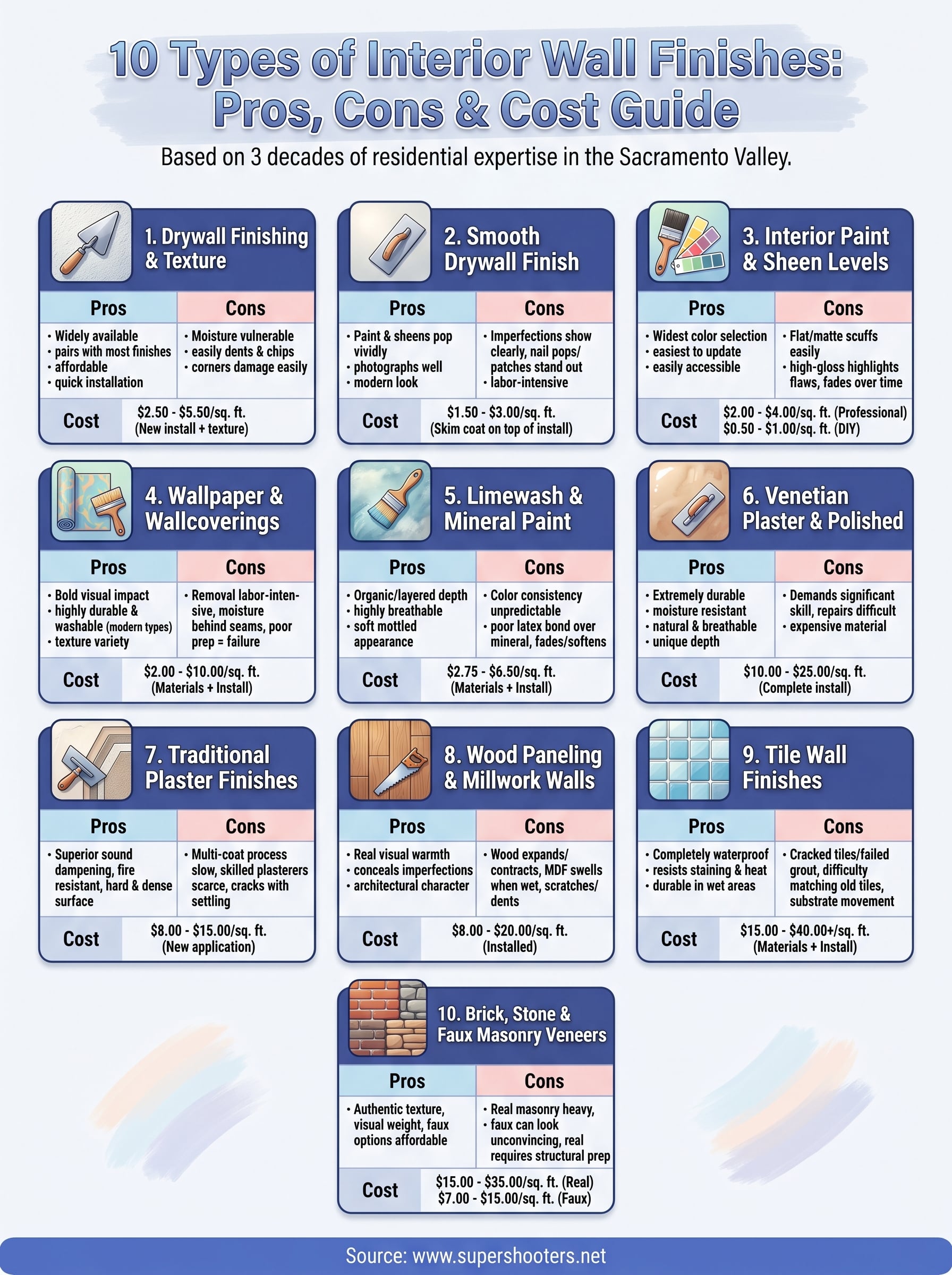
Choosing the right wall finish
The ten types of interior wall finishes covered here each solve different problems, and the best choice depends on your room's function, your budget, and how much maintenance you're willing to take on long-term. Moisture-prone rooms like bathrooms demand tile or sealed plaster, while living spaces give you more freedom to choose decorative options like limewash or wood paneling.
Your wall substrate matters just as much as the finish itself. Drywall condition directly affects how every other finish on this list performs, from how smoothly paint applies to how well tile bonds to the surface. If your walls need repairs, patching, or a full texture refresh before you commit to a new finish, start there first.
Super Shooters has completed over 10,000 Sacramento Valley homes and can handle everything from drywall installation to texture matching and wall restoration. Get a free estimate from our team before your next project.
Recent Posts